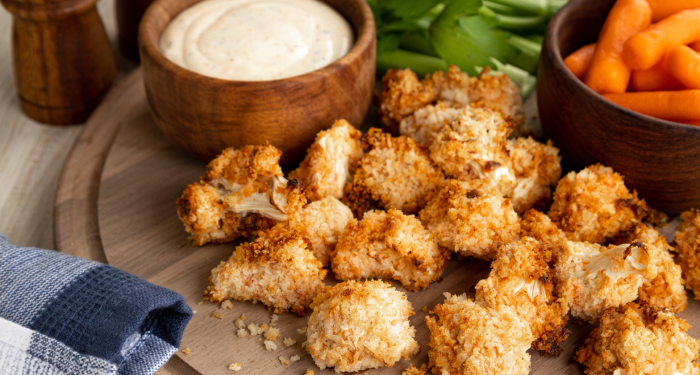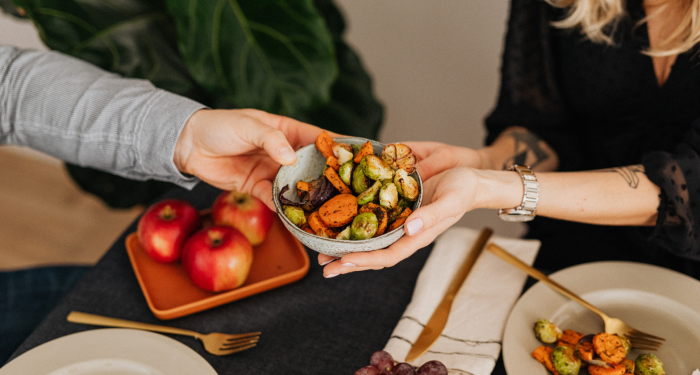
With the right spices, even simple plant-based meals become vibrant and full of personality. A few key jars can transform everyday ingredients into something anything but basic.
We all want our plant-based meals to feel exciting, don’t we?
I know I do.
After years of eating mostly vegetables, grains, and legumes, I realized something pretty surprising.
The real difference between a meal that feels flat and one that feels like it came from a tiny vegan café with a line out the door usually comes down to what’s sitting in your spice rack.
It doesn’t require restaurant-level skill or anything fancy.
It’s about a few small jars that can absolutely transform your food.
The fun part is that you can upgrade a bowl of lentils or a tray of roasted veggies just by using the right seasonings.
These are the little things that separate basic plant-based eating from vibrant, flavorful cooking that keeps you genuinely excited about your meals.
If your spice rack includes the following seven things, your plant-based diet is already more creative and dynamic than you might think.
Let’s jump in.
1) Smoked paprika
Have you ever taken a bite of chili, roasted potatoes, or a veggie stew and thought, How is this so comforting?
It was probably smoked paprika doing quiet magic in the background.
The first time I really understood its power was after a volunteer shift at a farmers' market.
One of the food vendors handed me a smoky lentil stew in a compostable cup. I asked what made it taste so rich. He smiled and said, “Paprika. The smoked kind.”
I went home and tried it myself that night. One teaspoon in a pot of lentils and suddenly the whole dish tasted slow-cooked and soul-warming.
Smoked paprika adds depth without making things heavy. It has this mellow smokiness that gives plant-based meals a sense of structure and richness.
It turns simple ingredients into something bold and cozy.
Try it with chickpeas, tofu, potatoes, stews, or even sprinkled lightly over avocado toast.
A little goes a long way, and every time I use it, I’m reminded how satisfying it is to coax big flavor out of humble ingredients.
2) Nutritional yeast
I’ll be honest. I treat nutritional yeast as a non-negotiable.
It disappears quickly in my house because I sprinkle it on almost everything. Friends who come over and taste my food usually ask what the mystery flavor is. It’s always the same answer.
This golden, cheesy, savory goodness is less of a spice and more of an entire personality for plant-based kitchens.
But even if you’ve used it before, the real trick is using it creatively.
Toss it onto popcorn. Blend it into a creamy dressing. Add it to mashed potatoes. Stir it into tofu scrambles.
Shake it over roasted broccoli and watch the entire dish come alive.
What I love most is how it brings umami to plant-based meals. It gives food a roundness and fullness that people sometimes assume you can only get from dairy.
On nights when I get home after a long trail run and want dinner fast, nutritional yeast is my shortcut to making simple food taste intentional and nourishing.
It never fails.
3) Za’atar
Have you ever hit that moment where you feel stuck cooking the same flavors on repeat?
That was me a few years ago.
Every bowl tasted like a variation of the last one, no matter how many different vegetables or grains I used.
Za’atar changed that for me.
It’s this beautiful Middle Eastern blend with herbs, sesame seeds, and tangy sumac. The flavors are bright yet grounding, earthy yet refreshing.
It’s the kind of seasoning that makes a simple dish taste like a story.
I still remember the first time I used it. I’d been gardening all afternoon and came inside tired and hungry.
I tore some pita, drizzled olive oil on top, and sprinkled on za’atar a friend had gifted me.
One bite and I felt like I’d just made something gourmet under five minutes.
That moment convinced me to keep it stocked forever.
Za’atar works with almost every plant-based staple. Roasted cauliflower. Hummus bowls. Tofu. Avocado toast. Sheet-pan veggies. Even salads.
Every time I add it to something, people assume I put in much more effort than I did.
Za’atar is the definition of delicious simplicity.
4) Turmeric

Turmeric is one of those spices that brings its own kind of calm to the kitchen.
Maybe it’s the warm color. Maybe it’s the history behind it. Maybe it’s the way it turns even a plain pot of lentils into something earthy and comforting.
I once made a turmeric-infused vegetable stew after a rainy run on a day when everything felt heavy. The weather was gloomy. My legs were tired.
Yet watching the broth shift into that deep golden color warmed me almost as much as the food did.
Turmeric has a gentle flavor, but a powerful presence.
It’s wonderful in curries, soups, tofu dishes, roasted vegetables, and warm drinks.
And when you pair it with black pepper, the flavors deepen, and the benefits become more available to your body.
I reach for it when I want something grounding and nourishing. It’s a subtle touch that gives simple meals a sense of care and intention.
5) Cumin
There is something unmistakable about the aroma of cumin. It fills your kitchen instantly and makes the whole space feel warm and alive.
Cumin is one of those seasonings that quietly upgrades almost anything you cook.
I don’t think I realized how essential it was until I noticed that whenever a dish tasted flat, adding a little cumin nearly always fixed it.
It’s especially good with beans and lentils. It’s like the missing puzzle piece that helps everything fit together.
I use it in chili, soups, roasted vegetables, bean dips, and spiced rice. Sometimes I toast it in a pan before adding it to a dish.
The flavor blooms and becomes even more aromatic.
Because I used to work as an analyst, I tend to notice patterns. And a pretty reliable pattern is that a plant-based meal feels incomplete until I’ve added cumin.
It gives humble ingredients complexity without overpowering them.
6) Chipotle powder
Chipotle powder has personality.
If smoked paprika is gentle warmth, chipotle powder is bold confidence. It’s heat with intention, not heat for the sake of heat.
My appreciation for it grew after spending several weekends helping at a farmers' market salsa booth.
One of the vendors gave me a scoop of chipotle-infused salsa that almost made my eyes widen out of my head.
It was smoky, spicy, and layered in a way I had never tasted before.
From that moment on, chipotle powder became a staple in my kitchen.
It adds depth in a way few spices can. It’s incredible in cashew sauces, roasted sweet potatoes, black bean chili, tofu marinades, and even simple grain bowls.
A little pinch brings a slow, smoldering flavor that makes plant-based dishes feel bold and textured.
Whenever I use it, the whole meal seems to stand a little taller.
7) Sumac
If there’s one spice most people don’t buy but absolutely should, it’s sumac.
Sumac is bright, tangy, and fresh. It tastes a bit like lemon, but without the acidity and without adding moisture to a dish.
It’s the perfect finishing touch for meals that need a lift.
I discovered it while trying to break out of a cooking rut. Everything I made tasted fine but predictable.
I sprinkled sumac over roasted chickpeas one evening and instantly felt like I had rediscovered my enthusiasm for cooking.
It wakes up flavors in the best way.
It’s wonderful on salads, roasted vegetables, grain bowls, tofu, dips, and soups.
On hot summer days, when heavier spices feel overwhelming, sumac gives your food this refreshing brightness that makes the whole dish feel lighter.
It’s one of the easiest ways to make familiar ingredients feel new again.
Final thoughts
If you already have a few of these spices in your kitchen, you’re well on your way to creating meals that feel vibrant and exciting.
And if you have all seven, your plant-based cooking is a lot more dynamic than most people realize.
Here’s what I’ve learned after years of cooking, gardening, running trails, and talking with people who love food.
You don’t need complicated recipes to make great meals. You just need flavor. And flavor often begins with what’s in your spice rack.
So open the cabinet and take a peek.
What’s already there?
What’s missing?
What can you experiment with tonight?
Your meals don’t have to be elaborate to feel special.
Sometimes all it takes is a shake of something smoky, a sprinkle of something bright, or a pinch of something warm.
When you use spices intentionally and creatively, your plant-based diet becomes anything but basic. It becomes expressive, nourishing, and uniquely yours.
If You Were a Healing Herb, Which Would You Be?
Each herb holds a unique kind of magic — soothing, awakening, grounding, or clarifying.
This 9-question quiz reveals the healing plant that mirrors your energy right now and what it says about your natural rhythm.
✨ Instant results. Deeply insightful.

Avery White
Formerly a financial analyst, Avery translates complex research into clear, informative narratives. Her evidence-based approach provides readers with reliable insights, presented with clarity and warmth. Outside of work, Avery enjoys trail running, gardening, and volunteering at local farmers’ markets.
More Articles by Avery