If you let these six lessons guide your choices, you will cook with a kind of calm confidence that comes from knowing your wine well enough.
We all want our food to taste like we meant it, right?
If you cook plant based, wine is one of the fastest ways to add depth, brighten flavors, and turn a Tuesday into something that feels a little special or it can also backfire.
I learned that the hard way one rainy night after a trail run, when I poured a random red into a mushroom ragù and ended up with a sauce that tasted oddly bitter and flat at the same time.
The mushrooms were meaty and gorgeous, the pasta was perfect, yet one choice tilted the whole dish off balance.
I come from a numbers background, so I think about wine in the kitchen like I think about budgets.
A few variables, plus a clear goal, and a simple system to avoid costly mistakes.
If your aim is to make your vegan cooking sing, here are the six wine slip-ups I see most often, and exactly what to do instead.
1) Forgetting to check if the wine is vegan
Not every bottled wine is vegan friendly.
The grapes are, of course, yet many producers use fining agents, which help clarify the wine.
Some of the traditional ones come from animals, like isinglass from fish bladders, egg whites, or casein from milk.
They do not always appear clearly on labels.
A quick check saves you from quietly undermining your own values.
I keep a short list in my notes app of go to vegan friendly producers, and I look for wines labeled unfined and unfiltered or explicitly vegan.
If I am shopping at a local shop, I ask; if the person behind the counter does not know, they will usually look it up, and we all learn something.
People often worry about sulfites.
Those are not animal derived as they are a preservative that occurs naturally during fermentation and is often added in small amounts.
If sulfites bother you, choose low sulfite bottles, but know it is a separate issue from animal fining.
2) Cooking with wine you would not drink
You know that dusty bottle in the back of the pantry labeled cooking wine? The one with salt and preservatives added.
It is a flavor trap; if a wine tastes rough or stale in the glass, it will taste more concentrated in your pan.
Heat amplifies what is there, and I follow one simple rule.
If I would not sip it, I do not simmer it.
That does not mean you need expensive wine to make great food.
There is a sweet spot of affordable, clean, and versatile.
A dry white like a simple pinot grigio, sauvignon blanc, or vinho verde will brighten soups, risottos, and creamy sauces without hogging the spotlight.
A light to medium red like a gamay, barbera, or basic tempranillo is wonderful for mushrooms, lentils, tomato sauces, and bean stews.
If you want brightness, pick something zippy and dry; if you want roundness, choose something softer and fruit forward.
Buy the best you can within your budget, then plan two or three dishes around that bottle so nothing goes to waste.
3) Ignoring acidity and sweetness
Think of acidity as structure: In plant based cooking, it is the lift that makes vegetables pop, balances natural sweetness, and keeps creamy sauces from feeling heavy.
When a dish tastes dull, nine times out of ten it needs acid or salt.
Wine can deliver both, if you pick wisely.
Here is the mistake: Adding a sweet or low acid wine to a dish that is already leaning sweet, like caramelized onions, roasted squash, or coconut milk based curries.
You end up with a sauce that tastes syrupy and vague.
On the flip side, using a very oaky, low acid chardonnay when you needed brightness can make a creamy sauce feel cloying.
For dishes with natural sweetness, reach for a crisp, dry white.
Sauvignon blanc, albariño, or a dry riesling are great kitchen teammates.
They sharpen the edges and let the vegetables taste like themselves.
For tomato based sauces, which are acidic already, a red with lively acidity works beautifully.
Barbera and sangiovese are my go-tos for marinara nights.
What about sweetness in wine? Well, off dry wines have a touch of residual sugar.
They can be magical with heat and aromatics.
A splash of off dry riesling in a chili oil tomato soup balances fire and fruit.
A little goes a long way.
Taste as you go, and remember that as the wine reduces, sweetness concentrates.
4) Overpowering vegetables with heavy tannins and oak
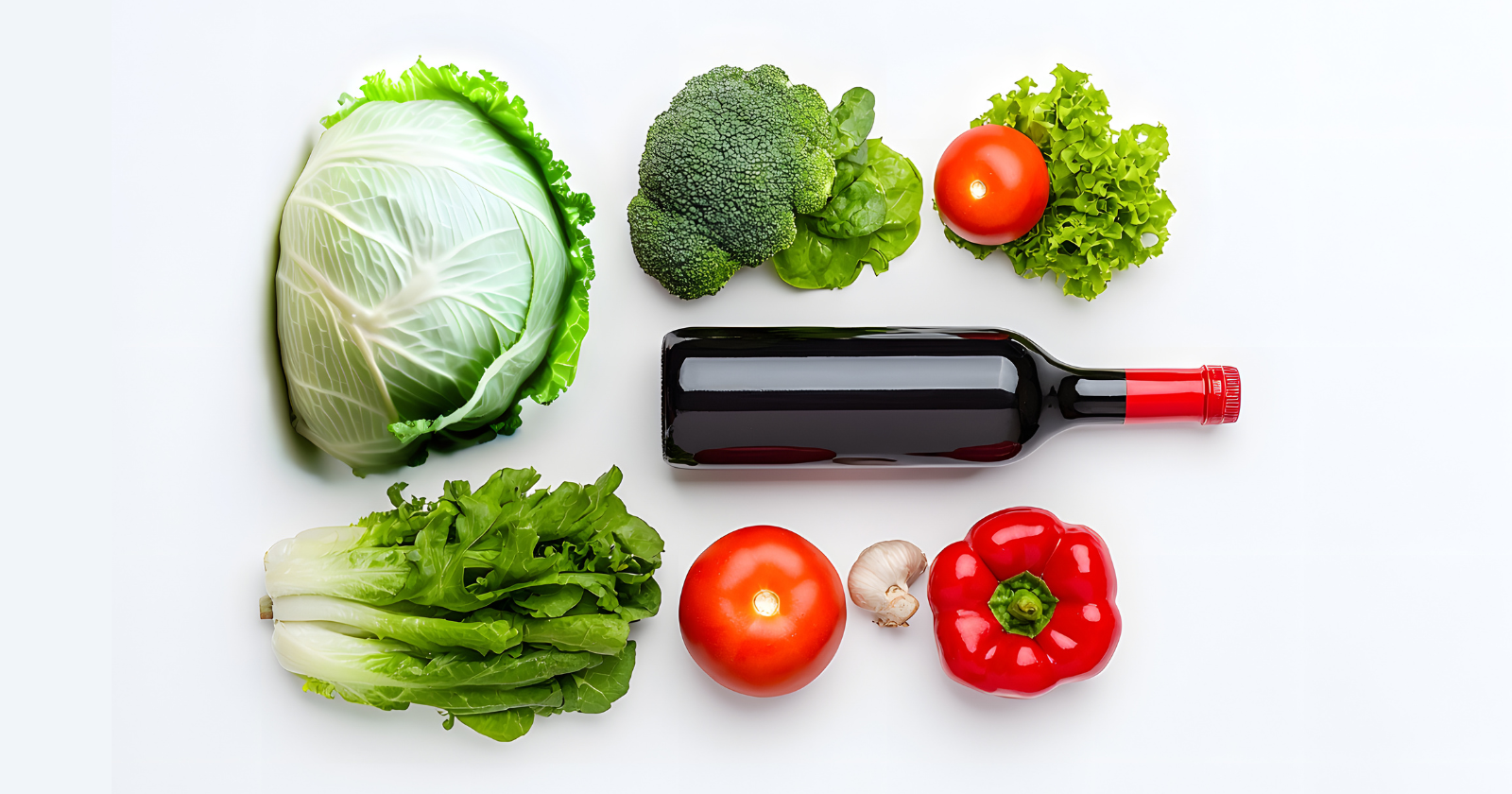
Tannins are those compounds in wine that create a drying, pucker-y feeling in your mouth.
They come largely from grape skins, seeds, and oak.
Tannins can be a gift as they add grip and structure and can also bully delicate vegetables, especially greens, zucchini, peas, or tender herbs, leaving a whisper of bitterness that reads as metallic or medicinal.
If you are making a spinach and white bean stew and toss in a hefty, heavily oaked cabernet, you may notice the greens taste harsher and the beans feel chalky.
That is a tannin mismatch, so here is how I navigate it: When the star of the plate is delicate, I keep the wine gentle.
Light reds like pinot noir, gamay, or frappato are friendly (so are unoaked whites).
When the star is robust, like mushrooms, eggplant, black lentils, or slow roasted tomatoes, you can welcome firmer tannins.
The plant world has a secret weapon too: Fat.
Olive oil, tahini, coconut milk, nut butters, and avocado soften tannins the way dairy does in omnivore cooking.
If I want to use a more structured red in a mushroom bourguignon or a bean stew, I add a spoon of olive oil for mouthfeel, or finish with a walnut pesto.
The dish tastes complete, not clenched.
Oak deserves its own mention as oak can bring vanilla, toast, and spice.
In moderation, it is lovely.
In some whites, heavy oak turns creamy sauces into butter on butter.
Save the plush, oaky whites for a roasted cauliflower steak with plenty of char where the flavors can hold hands without smothering each other.
5) Reducing wine the wrong way or at the wrong time
You know that moment when a sauce smells boozy and sharp, and no amount of simmering seems to mellow it.
I have been there: Reduction is about patience and pan choice more than heat bravado.
Here are the common errors: Pouring in wine, cranking the heat to high, and hoping for the best.
The alcohol flashes off fast, but the harsher aroma compounds hang around.
Also, tossing in wine late in the cooking, then serving before the acid integrates; reducing wine all the way down without any stock or aromatics, which concentrates bitterness.
Sauté your aromatics until they have some color, and add the wine and use it to deglaze, scraping up every browned bit.
Switch to a lively simmer in a wide pan so evaporation is even.
Reduce by about half, then add stock, tomatoes, or coconut milk depending on your plan.
If it the taste is still a little sharp, let it simmer five more minutes.
A pinch of sugar is a tool, especially with tomato heavy dishes, and a pat of plant butter or a swirl of tahini can round rough edges.
Salt last, since reduction concentrates salt as well.
Timing matters too: When I am finishing a pan of garlicky greens, a quick splash of white wine at the end, with the heat still on, adds steam and sparkle.
For long simmered stews, the earlier addition gives wine time to transform from loud to layered.
Add the wine accordingly.
A little bonus trick: If you accidentally over reduce and the sauce tastes tight, whisk in a tablespoon of water at a time.
6) Letting storage and temperature sabotage flavor
We talk a lot about which bottle to buy and not enough about what happens to that bottle once it is open.
Oxidation is real; an open bottle of wine sitting on the counter at room temperature for a week is a science project.
If I open a bottle for cooking and sipping on Sunday, here is my rhythm.
I pour what I need for that meal, I re-cork the rest—or use a simple stopper—and I put it in the fridge, reds included.
The cold slows oxidation.
Most whites and lighter reds taste fine for three to four days this way.
Heavier reds sometimes last a touch longer.
If I know I will not finish it, I decant leftover wine into small jars or an ice cube tray and freeze it.
Wine cubes are fantastic for deglazing a pan of mushrooms or starting a quick sauce on a weeknight.
Temperature while cooking matters too.
If you add fridge cold wine to a near finished pan sauce, you shock the pan and slow reduction.
Let the wine sit on the counter for a few minutes while you prep.
On the serving side, think about how temperature changes flavor.
A red served very warm can taste flabby and alcoholic; a white served ice cold can taste mute.
Treat wine like any other ingredient with an ideal range, not an afterthought.
Wine is sensitive, so give it a fair chance to do its work.
Elevating thoughts
If you let these six lessons guide your choices, you will feel the difference.
You will cook with a kind of calm confidence that comes from knowing why things work, not just hoping they will.
Cooking is part technique and part listening, and wine is the same.
When you listen closely, your food tells you what it needs.
That is how everyday vegan meals become the kind of food people remember!
What’s Your Plant-Powered Archetype?
Ever wonder what your everyday habits say about your deeper purpose—and how they ripple out to impact the planet?
This 90-second quiz reveals the plant-powered role you’re here to play, and the tiny shift that makes it even more powerful.
12 fun questions. Instant results. Surprisingly accurate.