
Great vegan food doesn’t require pricey ingredients. Once you instinctively layer flavors, use acid wisely, add texture, and adjust as you cook, you’ve already mastered the art of delicious, budget-friendly meals.

Add VegOut to your Google News feed. 
We all want to eat well without feeling like every grocery trip chips away at our bank account, don’t we?
I used to think flavorful vegan cooking required specialty ingredients, expensive sauces, or a cabinet full of powders that looked like they belonged in a chemistry lab.
But after years of cooking on a budget, volunteering at local farmers’ markets, and testing endless combinations in my own kitchen, I realized something that changed everything.
Great vegan food isn’t about how much money you spend, but about how you use what you have.
When certain flavor habits become part of your muscle memory, cooking stops feeling like a puzzle and starts feeling like intuition.
You don’t scramble to fix bland meals at the last second, and you don’t rely on pricey shortcuts to get something tasty on the table.
If these seven flavor instincts already come naturally to you, chances are you’ve quietly mastered the art of cheap vegan cooking without even noticing.
Let’s dive in.
1) You automatically layer flavors instead of relying on a single ingredient
Have you ever made a dish that technically had all the right components but somehow tasted flat? I used to make pots of lentils that looked hearty but tasted like… warm bean water.
The shift happened the day I realized flavor isn’t born at the end of cooking, but at the beginning.
When you naturally start with aromatics and slowly build up spices, umami boosters, and seasonings along the way, everything begins to taste more balanced and full.
If adding garlic right after the onion is just something you do without thinking, you’re already layering without realizing it.
Maybe you toss in smoked paprika or cumin while the vegetables soften, or you add a splash of soy sauce to deglaze the pan because you’ve learned it deepens everything.
This approach turns basic ingredients like beans and rice into meals that feel abundant and satisfying. And the best part is that layering flavors costs nothing extra.
You’re just using inexpensive ingredients to their fullest potential.
2) You reach for acid instinctively to brighten meals
I’ll never forget the moment a squeeze of lemon transformed my plain lentil soup from edible to incredible.
I had spent years wondering why some recipes tasted heavy and dull until I discovered what acid can do.
If tasting something bland automatically sends you reaching for lemon juice, vinegar, or even a diced tomato, that’s a sign your palate has leveled up.
Acid doesn’t add new flavor so much as it wakes up everything that’s already there.
Budget cooking thrives on this trick because vinegar is one of the cheapest ingredients you can buy.
A single bottle can revive stews, salads, beans, roasted vegetables, and even grain bowls.
And if you have citrus on hand, even better. But the key is that you don’t rely on acid as an afterthought.
You use it intentionally, like the finishing note in a song that ties all the other instruments together.
3) You understand the difference between using salt and using salty ingredients
Salt is foundational, of course. But what really elevates cheap vegan meals is using salty ingredients to build complexity.
When I worked as an analyst, I often compared flavor-building to adjusting spreadsheets. A small change in the right place can shift the entire outcome.
The same is true when you swap plain salt for salty components that carry personality.
Soy sauce, miso, olives, capers, pickles, and nutritional yeast all bring both saltiness and umami depth. And none of these ingredients need to be pricey.
Even the smallest amounts make a huge impact.
If you find yourself choosing soy sauce to deepen a soup rather than just adding another pinch of salt, or stirring a teaspoon of miso into gravy because you’ve learned how it smooths everything out, you’re already thinking like a seasoned cook.
Salt adds seasoning. Salty ingredients add soul.
4) You prioritize texture just as much as taste
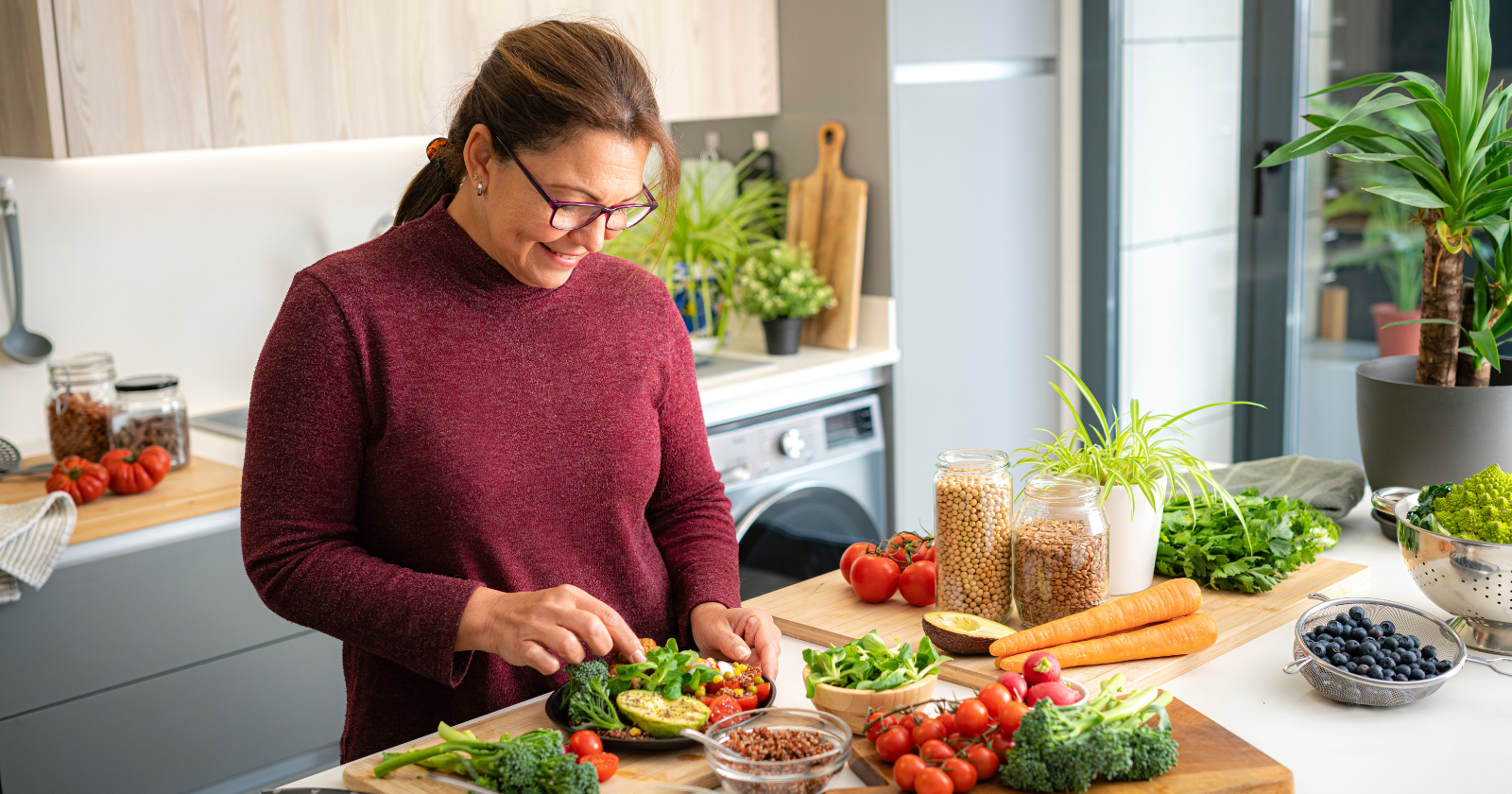
For years, I cooked meals that tasted fine but never felt satisfying, and I couldn’t figure out why.
Then one day, while eating a bowl of soft lentils, soft rice, and soft vegetables, it hit me.
I was forgetting texture.
Texture is a secret weapon in budget vegan cooking because it creates excitement without needing expensive additions.
Crunchy toppings, creamy elements, and crisp fresh ingredients turn simple dishes into something memorable.
If you naturally toss toasted seeds on a bowl of soup, or add shredded cabbage to a mixed salad bowl for crunch, you’re already leaning into this instinct.
Maybe you sprinkle breadcrumbs over roasted vegetables, or mash half your beans while leaving the rest whole to create contrast.
These choices aren’t complicated or expensive. They’re subtle shifts that make food more enjoyable.
And if this comes naturally to you, you’re operating like someone who truly understands how to build satisfying meals out of inexpensive staples.
5) You rely on umami boosters that don’t cost a fortune
A lot of people think umami is reserved for fancy kitchen experiments, but some of the cheapest pantry staples are full of it.
In fact, many vegan cooks accidentally master umami long before they realize what they’re doing.
Tomato paste is one of my favorite examples. Cooked for just a minute or two in hot oil, it caramelizes and becomes incredibly rich and savory.
Nutritional yeast, often thought of only as a cheese replacement, adds depth to soups, sauces, and gravies.
Even mushrooms, which are often surprisingly affordable when you buy the basic varieties, develop incredible umami when cooked long enough to brown.
If you reach for these ingredients out of habit, simply because you’ve learned how much better your meals taste with them, you’re already using the same strategies professional chefs use.
And you’re doing it on a budget, which is even more impressive.
6) You use heat intentionally instead of randomly
Cooking isn’t just about what you use, but how you use it. After spending time gardening, I became more attuned to the role timing and temperature play in flavor.
The same tomato can taste wildly different depending on when it’s picked, and vegetables behave similarly when exposed to different cooking techniques.
When you adjust the heat without thinking, you’re cooking with intuition.
Maybe you give onions time to brown before adding anything else because you’ve noticed how much sweeter they get.
Or you lower the heat when garlic starts to toast too quickly because you’ve learned how easily it can burn and turn bitter.
If you sear mushrooms before adding liquids, simmer beans gently instead of boiling them aggressively, or let sauces reduce slowly for richer flavor, you’re using heat in a way that creates depth without extra ingredients.
This instinct is a hallmark of someone who truly cooks rather than just follows directions.
7) You taste as you go and make small adjustments along the way
This habit alone can elevate any cook from struggling to confident, and it costs nothing.
Tasting as you cook isn’t about self-doubt. It’s about curiosity, refinement, and learning how ingredients change throughout the process.
When you taste early and often, you catch imbalances before they snowball.
Maybe the dish needs a little more salt, a splash of vinegar, a pinch of sugar to balance acidity, or a sprinkle of herbs to freshen things up.
These tiny shifts are how you turn humble, inexpensive ingredients into meals that feel thoughtful and complete.
It’s the same principle I used in my analyst days: adjust, measure, refine.
If tasting and tweaking feels as natural to you as stirring the pot, you’re already cooking like someone who knows how to coax the best out of simple ingredients.
Final thoughts
The truth is, these flavor instincts don’t require any special training or expensive tools.
They come from paying attention, experimenting, and cooking often enough that certain habits settle into your bones.
Once these tricks feel natural, budget-friendly vegan cooking stops being about restriction and starts being about resourcefulness.
You use every ingredient with intention. You rely on creativity instead of cost. You build flavor from the bottom up and make adjustments along the way.
And honestly, that’s the real beauty of vegan cooking. It’s adaptable, flavorful, and deeply rewarding when you learn how to let simple ingredients shine.
If some of these habits already feel familiar, appreciate how far your instincts have come.
And if a few are new, consider it an invitation to explore, taste, and refine your way into even more delicious meals.
Cheap vegan cooking isn’t a compromise. It’s an art you get better at every time you chop, stir, season, or taste.
And once these seven flavor tricks become second nature, you’ve already mastered the heart of it.
If You Were a Healing Herb, Which Would You Be?
Each herb holds a unique kind of magic — soothing, awakening, grounding, or clarifying.
This 9-question quiz reveals the healing plant that mirrors your energy right now and what it says about your natural rhythm.
✨ Instant results. Deeply insightful.

Avery White
Formerly a financial analyst, Avery translates complex research into clear, informative narratives. Her evidence-based approach provides readers with reliable insights, presented with clarity and warmth. Outside of work, Avery enjoys trail running, gardening, and volunteering at local farmers’ markets.
More Articles by Avery