A vegan snack board can be more than food—it can be an experience that brings people together before the drinks are even poured. Learn how to build one that looks stunning, tastes incredible, and disappears faster than you can say “pass the hummus.”
There’s something magnetic about a well-built snack board. It draws people in like bees to a flower, hands hovering, eyes scanning, everyone pretending they’re not planning which bite to go for first.
I’ve noticed that when done right, a vegan snack board tends to vanish faster than any other dish on the table. People might not even realize it’s vegan until it’s gone.
That, to me, is the ultimate success: when delicious food speaks for itself.
So how do you create that magic?
How do you put together something that feels abundant, tastes incredible, and makes you look like you know what you’re doing in the kitchen, even if you threw it together between work calls?
Let’s break it down.
Start with the mood, not the menu
Before I even think about ingredients, I think about the feeling I want to create.
Is this a cozy night with a few close friends, or a lively get-together that spills onto the patio?
Are we talking soft jazz and wine, or sparkling water and laughter that fills the room?
The tone determines everything, from the size of the board to the kind of flavors you’ll want to highlight.
For intimate gatherings, I go with a smaller board packed with bold, comforting bites.
For parties, I scale up the color and texture, aiming for a mix that keeps people coming back for one more taste.
When you start with mood primer, your board becomes more than food. It becomes an experience.
Build your foundation
Every good snack board starts with structure. I like to imagine it as architecture for appetite.
Here’s my rule of thumb: variety without chaos. You want different shapes, sizes, and textures, but not so much that it looks like a grocery store exploded on your countertop.
Think in categories, not ingredients.
Something creamy: hummus, cashew cheese, or a whipped white bean dip.
Something crunchy: crackers, toasted baguette slices, roasted chickpeas, or seasoned nuts.
Something fresh: sliced cucumbers, cherry tomatoes, grapes, or apple wedges.
Something salty or umami: marinated olives, artichoke hearts, or sun-dried tomatoes.
Something unexpected: smoky carrot “lox,” spiced popcorn, or vegan jerky bites.
The trick is to hit multiple taste notes—salty, sweet, tangy, and spicy—without crowding the board.
If you’re wondering about proportions, think sixty percent fresh or whole foods, thirty percent dips and spreads, and ten percent wildcards that make people stop and say, “Wait, what is this?”
Use color like an artist
Here’s where your inner designer gets to play.
A visually appealing board is half the battle.
When people see bright reds from strawberries, deep greens from olives, and golden tones from roasted nuts, their appetite wakes up before they even taste anything.
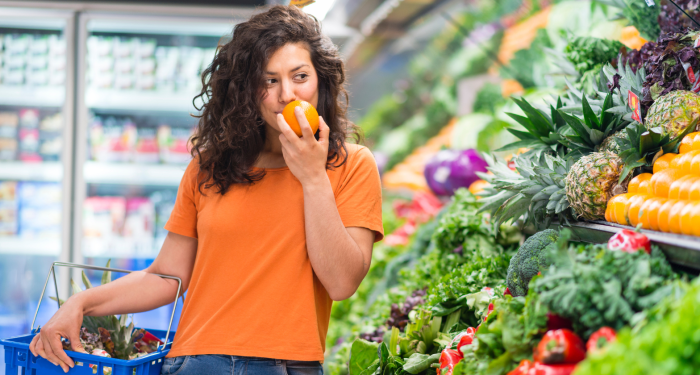
When I volunteer at the farmers’ market, I always notice how much color pulls people in.
No one can resist stopping at the stall that looks alive. I bring that same energy to my snack boards.
Try clustering colors for visual impact rather than scattering them evenly.
A pile of dark purple grapes next to pale almond cheese creates contrast. Bright orange carrots beside a dark green dip feel dynamic.
And don’t underestimate herbs. A few sprigs of rosemary or basil can turn an ordinary spread into something that looks effortlessly elegant.
Think in layers, not lines
Most people overthink arrangements. I used to, too.
I’d carefully line everything up, only to realize the board looked more like a cafeteria tray than a feast.
The secret is layering. Start with your bowls or small ramekins for dips; those will anchor the layout.
Then fill in around them with stacks, clusters, and loose handfuls of snacks. Let items overlap slightly.
It gives that abundant, “help yourself” energy that makes a snack board so inviting. You’re not aiming for symmetry, you’re aiming for balance.
If one side feels too heavy, add something light or colorful on the other. Keep stepping back and adjusting until it feels right.
And remember, there’s no wrong way to do this. Snack boards are forgiving. They’re meant to be eaten, not judged.
Choose flavors that tell a story
One of the things I’ve carried from my years as an analyst is the love of finding patterns. Data, after all, tells stories. So does food.
A board full of random snacks can still taste great, but when flavors have a theme or progression, it feels intentional.
For example, a Mediterranean-style board might include hummus, roasted peppers, olives, pita chips, and citrus-marinated tofu.
A more autumnal board could feature apple slices, spiced nuts, maple-roasted carrots, and a cinnamon-swirled cashew cream.
Think about how each bite connects to the next. A tangy dip might balance something sweet. A spicy bite might follow something creamy.
When flavors complement and contrast, your guests won’t be able to stop reaching for more.
Don’t skip the texture
Texture might be the most overlooked part of a good snack board, but it’s what makes eating satisfying.
You want a mix of crisp, creamy, chewy, and crunchy. Without that balance, even the best flavors fall flat.
Imagine biting into a crisp cracker, followed by smooth hummus, and finishing with a chewy sun-dried tomato. That’s a mini sensory journey.
If everything’s soft, people lose interest quickly. If everything’s crunchy, it feels one-dimensional.
So I always ask myself: where’s the contrast? What’s going to make someone pause mid-bite and say, “Oh wow, that’s good”?
Make it personal
One of the most memorable boards I ever made wasn’t the fanciest. It was a small spread for a Sunday hike with friends.
We sat on a blanket, passing around a simple wooden tray loaded with roasted chickpeas, grape clusters, almond cheese, and chocolate-covered pretzels.
I didn’t spend hours prepping it. I just used what I had on hand. But it was built with intention, and that’s what made it special.
That day reminded me that the best food experiences aren’t about perfection. They’re about connection.
When people feel cared for, they taste it in the food.
So if you have a favorite dip you always make, include it. If you love spicy nuts or homemade pickles, bring them in. Your personality is part of the flavor profile.
Offer a few simple pairings
Even though the drinks haven’t been poured yet, think about what your guests might sip later.
A citrus-forward sparkling water pairs beautifully with fresh veggies and creamy dips.
A dry white wine complements briny olives and tangy spreads.
And if you’re going with mocktails, try something like a ginger-lime soda. It refreshes the palate between bites.
If you really want to elevate the experience, label a few items.
A tiny card that says “smoked almond hummus” or “maple-roasted carrots” not only looks cute but also sparks conversation.
Keep it abundant, not overstuffed
Abundance doesn’t mean chaos.
It’s tempting to cram every inch of space, but a little breathing room goes a long way. Negative space lets your eye rest and makes the board look more polished.
I’ve found that people often eat more when the spread looks approachable rather than overwhelming. When guests can see what’s there, they’re more likely to explore it.
And if you’re hosting a larger group, keep extra snacks in the kitchen. Refill the board midway through the evening. It makes everything look fresh and intentional.
The psychology of the disappearing snack board
Here’s where my analytical side sneaks back in.
There’s a psychological reason why certain boards disappear before the drinks even show up. It’s all about accessibility and curiosity.
When food feels approachable—bite-sized, colorful, and diverse—people engage with it more freely. There’s no intimidation factor.
Variety also triggers what psychologists call the “buffet effect.” The more options we see, the more we want to taste.
Each new flavor resets our appetite a little, keeping us nibbling long after we thought we were done.
So yes, there’s art in it, but also a bit of science.
A final thought
A vegan snack board isn’t just about feeding people. It’s about inviting them in.
It’s about showing that plant-based food can be joyful, flavorful, and deeply satisfying.
You don’t need specialty ingredients or endless prep time. You just need color, texture, intention, and a dash of curiosity.
The next time you’re hosting, try this. Build your board, set it out early, and then step back.
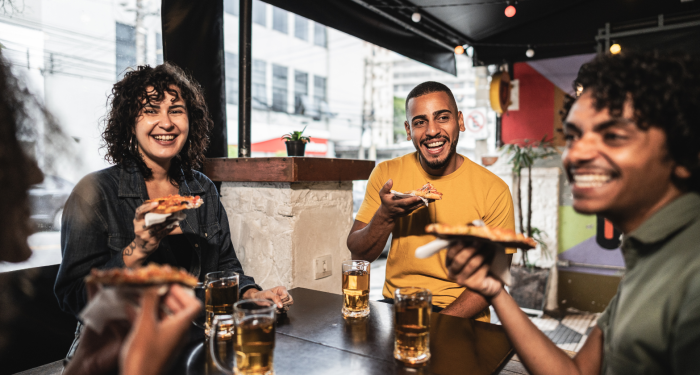
Watch what happens when people start gathering around. The laughter, the chatter, the reaching hands.
And before you even think about pouring the drinks, take a look. You might find the board’s already empty.
If You Were a Healing Herb, Which Would You Be?
Each herb holds a unique kind of magic — soothing, awakening, grounding, or clarifying.
This 9-question quiz reveals the healing plant that mirrors your energy right now and what it says about your natural rhythm.
✨ Instant results. Deeply insightful.