Small shifts made a big impact on my health—here’s how eight simple tweaks transformed the way I eat (and how I feel).
We love a big overhaul, don’t we? New plan. New grocery list. New you.
That wasn’t what worked for me.
What actually moved the needle was a handful of tiny, almost boring tweaks. I’m a former financial analyst, so I like numbers and systems—but when it comes to food, my body responds better to gentle, repeatable nudges than dramatic rules.
These are the eight small shifts I made to my plant-based routine that led to steady weight loss without feeling deprived.
1. I listened to hunger, not the clock
Ever find yourself eating lunch at noon because…it’s noon?
I used to do that. Meetings ended, I ate. A run finished, I ate. My calendar, not my body, was in charge.
The change: I added a tiny checkpoint before meals—“Am I actually hungry or just on autopilot?”
If the answer was “not quite,” I waited 20–30 minutes, sipped water, and moved. Nine times out of ten, the urge passed.
When I was genuinely hungry, I ate a full, satisfying meal—no martyrdom, no grazing that turns into a stealth second lunch.
A big part of making this work was letting my body be a partner, not a problem. As Rudá Iandê puts it,
“The body is not something to be feared or denied, but rather a sacred tool for spiritual growth and transformation.”
That line nudged me to treat hunger cues like useful data, not enemies to outsmart. His book, Laughing in the Face of Chaos, reminded me that my body is the wisest dashboard I have.
2. I doubled my vegetables before I touched seconds
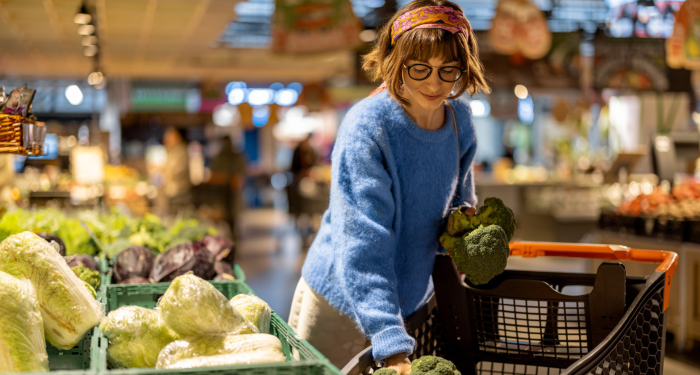
Simple, not sexy: I made half my plate low-calorie-density plants—think leafy salads, roasted crucifers, zucchini, mushrooms, tomatoes, green beans.
Before I even considered seconds of anything else, I added another helping of veggies.
Why it works: volume. Vegetables let you eat more food for fewer calories, so your stomach feels full while your energy stays leveled.
I didn’t demonize carbs or fat; I just gave vegetables first priority.
Stir-fries got an extra bag of frozen broccoli. Pasta bowls sat on a bed of garlicky spinach. Tacos got a crunchy slaw piled embarrassingly high.
If you’ve ever felt “hungry after eating,” try expanding the green volume. Satiety is part stomach stretch, part fiber, part protein.
I was missing the stretch. Doubling the plants fixed it.
3. I measured the “healthy heavies”
Here’s my confession: I was eyeballing olive oil, tahini, and nut butters like a pirate pouring rum.
A tablespoon was, apparently, a generous waterfall. So I switched to measuring spoons for a month. Not forever—just long enough to recalibrate my eyes.
I also tried water-sautéing onions and mushrooms with a splash of tamari and finishing with a teaspoon of oil at the end. Same flavor punch, fewer liquid calories.
Small container, big difference. Two tablespoons of peanut butter on toast quietly became one tablespoon plus sliced banana.
Salads still tasted luxurious, but my dressings were built on lemon, vinegar, herbs, and a measured amount of tahini or EVOO. I didn’t cut fats; I right-sized them.
If you’re thinking, “That sounds tedious,” give it seven days. Your sense of portion size resets faster than you expect.
4. I put protein on autopilot at breakfast
“As noted by the Academy of Nutrition and Dietetics, meals that include lean protein and fiber-rich foods help sustain energy and curb hunger throughout the day.”
My breakfasts used to be carby and cute—banana bread, granola, big fruit bowls. Tasty, but I was snacky by 10 a.m.
I shifted to a simple rule: a minimum of 20–25 grams of protein at breakfast. Not perfection—just a floor.
What that looks like:
- Tofu scramble with peppers, onions, and spinach; side of berries.
- Overnight oats with soy milk, chia, and a scoop of plant protein or soy yogurt.
- Lentil-veg soup (breakfast can be savory) plus a slice of whole-grain toast.
- Smoothie with soy milk, frozen cherries, spinach, flax, and silken tofu.
Two weeks in, I noticed fewer “mysterious” cravings in the afternoon. The combination of protein + fiber anchored my appetite, and I made saner choices the rest of the day.
5. I made dessert a “window,” not a free-for-all
Do you swing between “no sugar ever” and “accidentally ate a bakery”?
Same. All-or-nothing thinking had me ricocheting. Instead of banning sweets, I set a dessert window: if I want something sweet, I enjoy it after dinner.
If the craving hits earlier, I start with fruit (often frozen grapes or a crisp apple). If I still want chocolate, it waits until after the evening meal.
No food morality. Just a boundary.
It’s incredible how much chaos this eliminates. Afternoon slumps improved. My nightly square (or two) of dark chocolate felt like a ritual, not a negotiation.
If you’re worried about “losing control,” remember: structure isn’t restriction; it’s clarity.
6. I engineered easy defaults for snacks
Willpower is overrated. Environment wins.
So I gave myself an advantage: the first thing I see when I open the fridge is a clear bin packed with ready-to-eat crunchy veggies—cucumber spears, carrot sticks, snap peas, celery, radishes—plus a little container of hummus for dipping.
In the pantry, eye-level snacks became air-popped popcorn, roasted chickpeas, and salted edamame. I didn’t ban nuts, but I moved them up and out of easy reach.
Here’s why this matters: the fewer decisions you make, the less energy you waste negotiating with yourself.
When 4 p.m. hunger hits, I grab what’s right in front of me—and yes, I still eat chips sometimes. But now it’s a choice, not a reflex.
Need a formula? Crunch + plant + protein dip. Carrots with hummus. Snap peas with edamame. Apple slices with a measured spoon of almond butter.
It’s simple, but small wins like this make a huge difference over time.
7. I used two meal templates on repeat
Decision fatigue leads to takeout. Takeout leads to “surprise” calories. I didn’t need 30 new recipes; I needed two flexible templates I actually liked.
Template 1: The Big Bowl
- Base: greens or warm grains (farro, quinoa, barley).
- Veggie pile: something roasted + something raw.
- Protein: beans, lentils, tofu, or tempeh.
- Accent: pickled onions, olives, or a citrusy slaw.
- Sauce: tahini-lemon, miso-ginger, or salsa-avocado (with measured fat).
Template 2: Soup + Something Crunchy
- Pot of chunky vegetable-lentil soup on Sunday.
- Pair with a big side salad or crispbread and tomato slices.
Every grocery trip, I shopped the template. That was it. Variety came from different spices and seasonal produce, not reinventing the wheel.
The tiny change was committing to the pattern; the big payoff was fewer “What’s for dinner?” spirals that end in giant portions.
8. I closed the kitchen at 8 p.m. and brewed tea
Late-night nibbling was erasing my progress. Not a binge—just mindless grazing.
So I set a non-dramatic finish line: kitchen closed at 8 p.m. (choose your time), lights low, chamomile or mint tea brewed.
Could I make exceptions? Sure. But the default was clear.
That single boundary solved multiple problems: it tightened my eating window, improved sleep, and removed the nightly scavenger hunt for “one more bite.”
On nights when emotions bubbled up, I noticed them instead of numbing them. As the book I mentioned earlier suggests,
“Our emotions are not some kind of extraneous or unnecessary appendage to our lives, but rather an integral part of who we are and how we make sense of the world around us.”
Listening, not fighting, took the edge off—and I didn’t need the pantry to cope.
The mindset behind the mechanics
Tiny changes work because they lean on identity and environment, not heroic willpower. Ask yourself:
- What’s the smallest tweak that would make my next choice easier?
- Where can I add volume (vegetables), anchor satiety (protein + fiber), or reduce hidden calories (oils and “healthy heavies”) without feeling punished?
- Which default could I set once and benefit from daily?
I also stopped chasing “perfect weeks.” Consistency beats intensity.
On tough days, I did one tiny thing right: measured the olive oil, made the tea, or asked if I was truly hungry. Those micro-wins compound.
And because someone will ask: yes, running and strength training help my health. But the changes above are what actually changed my body composition.
Food drives the bus; movement enjoys the ride.
A quick starter plan (steal this)
- Breakfast: 20–25g protein minimum (tofu scramble, protein oats, soy yogurt with chia).
- Lunch: Half-plate vegetables first, then the rest. Bowl template wins.
- Snacks: Crunchy produce + protein dip or edamame/popcorn.
- Dinner: Soup + salad or another bowl; measure the fats.
- Evening: Dessert window after dinner; kitchen closed at your chosen time; tea ritual.
Final thoughts
If you’ve been waiting for the perfect plan, here’s your permission slip to skip perfection.
Try one tiny change this week. See what happens. Then stack another.
The truth is, most progress isn’t about willpower—it’s about setting up small systems that make good choices easy and automatic.
Be kind to yourself in the process. Some days you’ll nail it, others you’ll grab the chips. That’s real life.
You don’t need a new identity. You need a few well-placed levers. Pull them gently, consistently, and watch how the whole system shifts.
If You Were a Healing Herb, Which Would You Be?
Each herb holds a unique kind of magic — soothing, awakening, grounding, or clarifying.
This 9-question quiz reveals the healing plant that mirrors your energy right now and what it says about your natural rhythm.
✨ Instant results. Deeply insightful.