
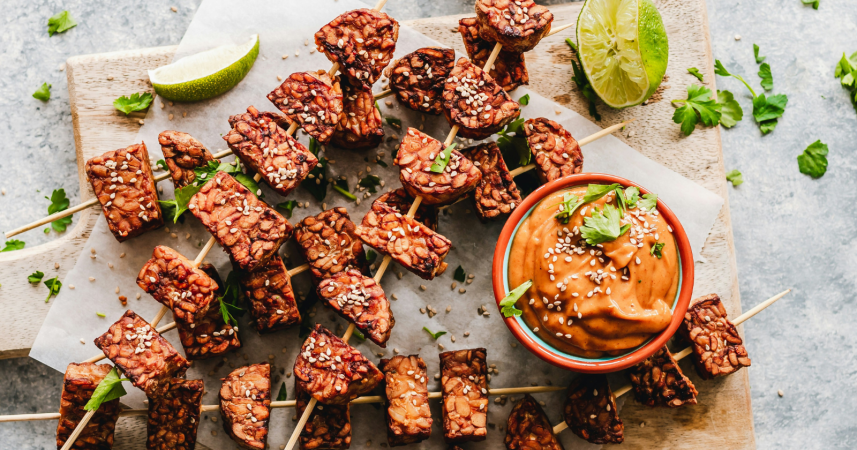
Tofu doesn’t need more flavor—it needs better texture. One crisp edge, and the whole plate starts to sing.

Add VegOut to your Google News feed. 
Trail running clears my head like nothing else, yet a windy afternoon once left me stuck in the kitchen with a block of tofu that tasted like soggy sponge.
I almost wrote plant‑based protein off for good—until a chef at the local farmers’ market said, “Texture is a mood, not a given.” Her words flipped a switch in me. If texture could shift feelings, then mastering it might turn bland cubes into something crave‑worthy.
Today I’m sharing what I’ve learned, mishaps included, so your tofu and tempeh never feel like homework again.
Why texture whispers to the brain
Ever notice how a single crunchy bite can wake up an entire dish?
Food scientists call this the “dynamic contrast” effect: smooth paired with crisp keeps sensory systems guessing and satisfaction high.
In other words, when you nail texture, you prime taste buds for a win. Skipping that step often explains why a perfectly seasoned tofu still feels uninspiring.
Pressing and freezing turn tofu into a sponge that fights back
Water is tofu’s biggest enemy when chewiness is the goal. I used to wrap slices in a tower of dish towels, then balance my coffee grinder on top. Effective, if slightly absurd.
Press for at least fifteen minutes—longer if patience allows—until towels feel damp and the block loses its squish. Less moisture means more room for marinade to move in.
Ready for the real game‑changer? Freeze the pressed block overnight, thaw, and press once more. Tiny ice crystals create tunnels that soak up flavor while toughening structure. The result reminds many people of chicken thigh—minus the cholesterol.
Wondering whether the extra thaw cycle is worth the trouble? Try a taste test: one bite of fresh tofu beside its frozen‑then‑thawed twin.
The difference borders on shocking.
Scoring, simmering, and other shortcuts that drive flavor deeper
Instead of cutting tofu into neat cubes first, slice thick steaks and score shallow crosshatches across the surface. Those grooves act like mini irrigation ditches for sauce.
Drop the scored slabs into barely bubbling broth or a quick soy‑maple bath for ten minutes. Gentle heat opens pores so seasoning travels to the center without toughening edges.
Simmering is marinating’s faster cousin—heat moves flavor where time alone struggles.
Once simmered, pat the tofu dry before any high‑heat finish. Moisture on the surface steams texture into mush; a dry exterior browns in seconds.
Heat changes personality: pan, oven, air fryer
A skillet supplies crunch on command.
Use medium‑high heat, a slick of high‑smoke‑point oil, and don’t move pieces for the first three minutes. That stillness lets a crust form that resists sauce-induced sogginess later.
Roasting grants hands‑off magic. Space chunks on a parchment‑lined sheet, drizzle lightly with oil, and bake at 425 °F until golden edges appear—roughly 25 minutes, flip once.
The oven’s dry heat draws remaining moisture outward, concentrating protein into meaty nuggets.
If you own an air fryer, blast marinated cubes at 375 °F for 14 minutes, shaking halfway. You’ll hear an audible crackle that rivals fried chicken skin with only a teaspoon of oil.
Feeling unsure which method fits tonight’s craving? Ask yourself: do you want crisp outside only (skillet), all‑over bite (roast), or maximum crunch (air fryer)?
Match technique to mood and never settle.
Tempeh’s edge: steam first, crisp later
Tempeh starts firm because its soybeans remain whole, bound by friendly fermentation.
That density traps bitterness many newcomers dislike. A ten‑minute steam session loosens structure and washes away strong notes.
After steaming, slice thinly on the diagonal. More surface area equals more caramelization.
Brush with a quick glaze—think miso, orange zest, and a dash of smoked paprika—and pan‑sear until mahogany speckles appear.
Tempeh rewards heat the way sourdough rewards time. The hotter the pan, the deeper the nutty aroma.
Craving crunch? Cube and toss steamed tempeh in cornstarch before air‑frying. Cornstarch forms tiny bubbles that shatter on first bite—texture fireworks without deep fat.
Mindful chewing trains satisfaction and portion control
Texture mastery isn’t purely culinary; it’s psychological conditioning.
Chewy proteins slow eating speed, giving hormones like peptide YY time to signal fullness.
Try this simple habit: place your fork down between bites of crispy tofu or tempeh. Notice how resistance under your teeth cues a quick moment of pause.
That micro‑break anchors you in the present and turns dinner into a mini‑mindfulness exercise.
Bringing it to the plate: everyday ideas that respect texture
Stir‑fry frozen‑then‑thawed tofu triangles with blistered green beans and a drizzle of chili crisp. The soft beans accentuate tofu’s new bite.
Layer air‑fried tempeh strips over smashed avocado toast, then sprinkle pomegranate seeds on top. Crunch meets cream, meets pop.
Batch‑roast tofu on Sunday, then tuck into grain bowls through Wednesday—each reheating builds another layer of chew.
Use leftover steamed tempeh in lettuce cups with pickled carrots for a handheld lunch that refuses to wilt.
Feel free to mix methods: I’ve pan‑seared tofu, cooled it, then tossed cubes into the air fryer right before serving guests. The double hit of heat earns compliments every time.
Closing thought
Texture turned my relationship with vegan protein from obligation to obsession. Pressing, freezing, scoring, simmering, and the right kind of heat transformed bland blocks into conversation starters.
The next time you stare at tofu in your cart, ask yourself: what mood do I want on tonight’s plate—chewy, crispy, or something between? Then give the protein the treatment it deserves.
Mastering texture isn’t culinary perfectionism; it’s self‑care in edible form. Each deliberate chew anchors you, each crackle reminds you that small tweaks create big shifts. Enjoy the crunch—and watch satisfaction rise alongside it.












