Food is one of the most honest ways to understand a culture, and the dishes that initially scared me often became my favorites.
Ever wonder what separates the adventurous eaters from the play-it-safe crowd?
It's not about having an expensive palate or dining at Michelin-starred restaurants. It's about curiosity. It's about being willing to step outside your comfort zone and experience flavors that might seem strange at first.
I've always believed that food is one of the most honest ways to understand a culture. When I started exploring international cuisines years ago, I realized something: the dishes that initially scared me often became my favorites. The ones that pushed my boundaries taught me the most about myself.
If you've tried these nine dishes, you're not just eating. You're exploring. Let's see how many you've checked off your list.
1. Escargot
Let's start with the classic test of culinary bravery: snails.
When someone first suggested I try escargot at a French bistro, I'll admit I hesitated. Snails? Really? But here's what I discovered: when prepared properly with garlic, butter, and parsley, they're absolutely delicious. The texture is surprisingly tender, almost like mushrooms, and the flavor is mild and earthy.
The interesting thing about escargot is that it requires you to get past the mental block. Once you do, you realize you're enjoying something humans have been eating for thousands of years. The Romans loved them. Medieval monks farmed them during Lent.
If you've eaten escargot, you've already proven you're willing to challenge your preconceptions about what belongs on a plate.
2. Haggis
Now we're getting into the deep end.
Scotland's national dish is famously controversial. Made from sheep's heart, liver, and lungs mixed with oats, onions, and spices, all cooked inside a sheep's stomach, haggis sounds like something you'd dare someone to eat rather than actually enjoy.
But here's the truth: haggis tastes nothing like you'd expect. It's savory, peppery, and has a texture similar to a coarse pâté. Served with "neeps and tatties" (turnips and potatoes), it's comfort food at its finest.
What makes haggis a marker of a true culinary explorer is that it represents nose-to-tail eating, a philosophy that honors the whole animal and wastes nothing.
Many cultures around the world have similar dishes, but haggis has become the poster child for ingredient bravery.
3. Natto
This Japanese breakfast staple is where a lot of would-be adventurers draw the line.
Natto is fermented soybeans, and I won't sugarcoat it: the texture is slimy, stringy, and the smell is pungent. It's an acquired taste that even many Japanese people struggle with. But if you've managed to not just try it but actually enjoy it, you're in an elite category of food explorers.
The fascinating thing about natto is its health benefits. As noted by registered dietitian Sharon Palmer, fermented foods are "a rich source of probiotics, which are beneficial bacteria that support gut health."
I remember my first encounter with natto at a traditional ryokan in Kyoto. The innkeeper showed me how to stir it vigorously to develop the strings, then mix it with soy sauce and mustard over rice. It took three attempts over three mornings, but by the end, I actually craved it.
4. Durian
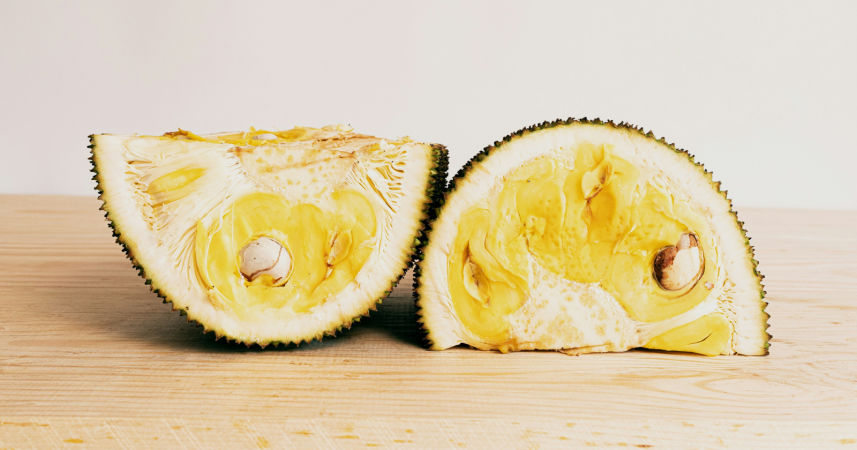
They call it the "king of fruits" in Southeast Asia, but it's also been called the world's smelliest food.
Durian is banned in many hotels and public transportation systems across Asia because of its intensely pungent odor, which people describe as everything from rotting onions to gym socks. Yet those who love it describe the flavor as creamy, custardy, and almost transcendent.
If you've tried durian, you understand that sometimes the most rewarding experiences require getting past an initial barrier. The smell is aggressive, no question, but the flavor is complex: sweet, savory, and unlike anything else you'll ever eat.
My first durian experience was in a night market in Bangkok. A vendor saw my hesitation and simply said, "Don't smell. Just taste." Best advice I ever got.
5. Balut
This Filipino street food delicacy is probably the most challenging item on this list.
Balut is a fertilized duck egg with a partially developed embryo inside, boiled and eaten from the shell. It's crunchy, creamy, savory, and yes, you can see the developing duckling. For many people, that's where the conversation ends.
But in the Philippines, balut is cherished comfort food. It's high in protein, affordable, and considered an aphrodisiac. Vendors sell it warm from insulated buckets, and locals eat it with a sprinkle of salt or vinegar.
What makes balut significant for culinary explorers is that it challenges Western notions of what's appropriate to eat. Many cultures consume eggs at various stages of development, but balut makes that development visible.
If you've eaten it, you've crossed a major psychological boundary.
6. Fugu
Sometimes being a culinary explorer means flirting with danger.
Fugu, or pufferfish, contains tetrodotoxin, a poison 1,200 times deadlier than cyanide. There's no antidote. In Japan, chefs must undergo years of rigorous training and pass strict examinations to be licensed to prepare it.
Why would anyone eat something that could kill them? Because when prepared correctly, fugu is perfectly safe and has a delicate, subtle flavor with a unique, slightly chewy texture. It's often served as sashimi, and the experience is as much about the ritual and trust as it is about the taste.
I had fugu at a specialized restaurant in Tokyo where the chef had been preparing it for over thirty years. The whole experience felt ceremonial. Each thin slice was arranged like artwork on the plate.
Eating fugu means you're willing to trust expertise and tradition over fear.
7. Hákarl
If you've eaten Iceland's traditional fermented shark, you've truly earned your explorer credentials.
Hákarl is Greenland shark that's been fermented and hung to dry for several months. The fermentation is necessary because the fresh meat is actually toxic due to high levels of urea and trimethylamine oxide. The result smells strongly of ammonia and has a flavor that's been described as "fishier than anything fishy you've ever tasted."
Even celebrity chef Anthony Bourdain, who built his career on eating adventurously, was not the greatest fan of this dish.
So why try it? Because it connects you to Viking-age food preservation techniques and Icelandic cultural identity. It's history you can taste, even if that taste makes you want to immediately wash it down with brennivín, the traditional accompanying spirit.
8. Century egg
Also called thousand-year egg or preserved egg, this Chinese delicacy involves preserving duck, chicken, or quail eggs in a mixture of clay, ash, salt, and quicklime for several weeks to several months.
The result is dramatic: the white turns dark brown and translucent with a jelly-like texture, while the yolk becomes dark green and creamy. The flavor is complex, with notes of sulfur and ammonia balanced by a rich, umami depth.
I first encountered century eggs at a dim sum restaurant, where they were served with pickled ginger and thin slices of tofu. The presentation was beautiful, almost artistic. What struck me was how the strong initial flavor mellowed into something genuinely delicious.
Century eggs represent the ingenuity of food preservation before refrigeration existed. If you've tried them, you appreciate that not everything delicious looks Instagram-ready.
9. Casu marzu
We're ending with perhaps the most controversial item: Sardinian cheese containing live insect larvae.
Casu marzu, which translates to "rotten cheese," is a sheep milk cheese that's deliberately infested with cheese fly larvae. These maggots break down the fats in the cheese, creating a soft, creamy texture and a flavor described as intense and pungent. The larvae are still alive and active when you eat it, and they can actually jump several inches if disturbed.
This cheese is technically illegal in the EU due to health regulations, but it's still produced and consumed in Sardinia as a traditional delicacy.
If you've eaten casu marzu, you're at the absolute peak of culinary exploration. You've moved beyond flavor, texture, and cultural curiosity into the realm of pure food adventure.
Final thoughts
How many of these have you tried?
If you've tasted even three or four, you're genuinely adventurous. If you've had them all, you're in rarefied air as a culinary explorer.
What I've learned from pushing my own boundaries with food is this: the strangest dishes often teach you the most. They challenge assumptions, connect you to cultures in visceral ways, and remind you that "normal" is just whatever you grew up with.
You don't need to love every dish you try. Some of these might always be one-time experiences for you. But being willing to try them? That curiosity, that openness? That's what separates explorers from spectators.
The world is full of flavors waiting to surprise you. Keep exploring.
What’s Your Plant-Powered Archetype?
Ever wonder what your everyday habits say about your deeper purpose—and how they ripple out to impact the planet?
This 90-second quiz reveals the plant-powered role you’re here to play, and the tiny shift that makes it even more powerful.
12 fun questions. Instant results. Surprisingly accurate.