When you treat each choice as a vote for the world you want, that humble tofu stir-fry becomes a revolution in a bowl.
Weaving plant-powered living into every corner of your life isn’t just about swapping burgers for beans.
It’s about elevating the way you eat, shop, speak, and serve until the whole package hums with purpose. Ready to find out whether you’ve hit that next-level stride?
Let’s see if these nine habits sound like you.
1. Nail the nutritional fundamentals
Do you treat nutrient research the way other people binge true-crime podcasts?
When friends panic about protein or omegas, you calmly cite peer-reviewed numbers, sprinkle in food sources, and remind them that B12 is a non-negotiable for everyone—vegans just admit it sooner.
As Dr. Michael Greger puts it, “The healthiest way to eat is a vitamin B12-fortified diet centered around whole plant foods.”
In my case, quarterly blood work has become a nerdy ritual: draw the labs, tweak the flaxseed or algae DHA, and carry on trail running with energy to spare.
When you know your serum ferritin better than your social-media password, you’re already operating above the basics.
2. Cook like a plant-based chef
Picture this: it’s Friday night, your omnivore neighbor sniffs the air over the fence and asks, “What smells so good?”
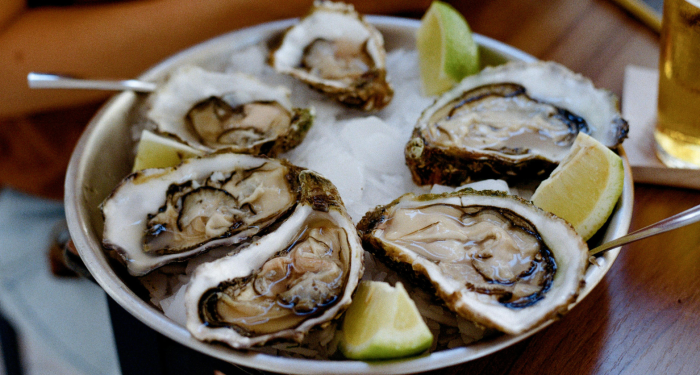
You serve them caramelized oyster-mushroom tacos with mole you ground from scratch, and halfway through the first bite they forget to ask “Where’s the meat?”
Mastering flavor stacking—smoky, umami, bright—is a sign you’re not just surviving on salads.
I still remember burning my first cashew-cheese sauce until it resembled plaster.
Now I can whip up a truffle-scented version that makes dinner guests check the bowl twice.
If your pantry stocks miso, nutritional yeast, and black salt by default, consider your culinary game leveled up.
3. Turn grocery runs into local food missions
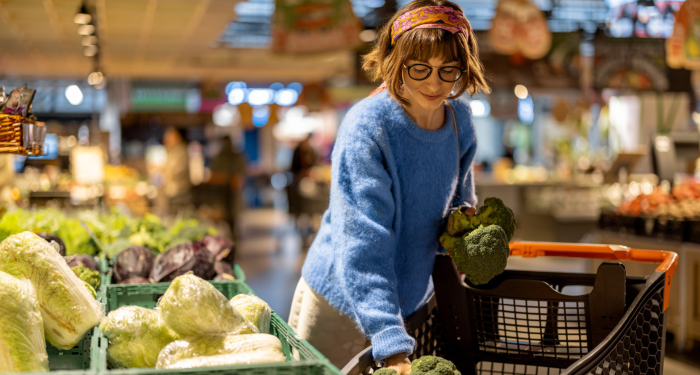
Most folks push a cart under fluorescent lights; you swap that for strolling the Saturday farmers’ market before sunrise, reusable produce bags in tow.
Chatting with growers about soil health feels as routine as checking prices.
Volunteering at my local stall taught me to identify lettuce varieties by leaf curl alone—and to appreciate the labor behind each bunch.
Buying direct slashes food miles, supports small agriculture, and often means you can ask, “Did the strawberries get an organic compost tea this week?”
That curiosity (and willingness to budget a few extra dollars for local abundance) signals next-level commitment.
4. Live the 5 Rs—refuse, reduce, reuse, recycle, rot
Zero-waste living can feel like graduate school for sustainability, but you’re fluent in its language.
Bea Johnson, pioneer of the movement, distills it perfectly: “Refuse what you do not need; reduce what you do need; reuse what you consume; recycle what you cannot refuse, reduce, or reuse; and rot (compost) the rest.”
At home I keep a countertop worm bin that turns carrot tops into garden gold, and I haven’t accepted a disposable coffee cup since pre-pandemic days.
If you can fit a month’s trash into a Mason jar—or you’re at least trying—welcome to advanced class.
5. Wear your values—literally
Beyond the plate, you scan clothing tags for organic cotton, bamboo lyocell, or up-cycled synthetics.
Leather boots left your closet years ago, replaced by plant-based “apple leather” kicks.
You also vet cosmetics for cruelty-free certification faster than others check for sale stickers.
Last spring I donated my old wool trail socks and upgraded to a recycled-poly pair from a B-Corp brand.
Tiny switch? Maybe. But string enough of those decisions together and your wardrobe becomes an ethical manifesto.
6. Volunteer or donate to compassionate causes
Time, talent, treasure—pick one (or all). From mucking stalls at an animal sanctuary to lending pro-bono accounting skills to a vegan nonprofit, you weave service into your calendar.
I spend some time prepping salads for a community fridge project, and those hours feed my motivation more than any TED Talk.
When activism extends beyond hashtags into muddy boots or spreadsheet marathons, you’re playing in a bigger league.
7. Advocate with empathy, not judgment
Ever notice how lectures push people away while curiosity pulls them in?
Social psychologist Dr. Melanie Joy observes that many still justify eating animals because it feels “normal, natural, and necessary.”
Instead of wielding shame, you share stories: the first time a sanctuary calf licked your hand, the flavor bomb of smoked tempeh.
You ask friends what matters to them—health, climate, compassion—and meet them there. That flexible, human-first approach converts more curiosity than any stats sheet alone.
8. Keep learning like it’s your side hustle
PubMed alerts, nutrition newsletters, climate-science podcasts—your digital diet rivals your actual one.
I bookmark meta-analyses on legume intake the way some people save baking reels.
Growth-mindset vegetarians stay humble: if new evidence suggests a tweak (hello, iodine from seaweed), we pivot.
When you treat plant-based living as an evolving field rather than a fixed identity, you future-proof your health and your message.
9. Build community through food and mentorship
Level-up vegans don’t hoard knowledge; they pass it on.
Maybe you host monthly potlucks where newbies try jackfruit sliders for the first time, or you coach a coworker through their inaugural oat-milk latte week.
Last autumn I organized a trail-cleanup run that ended with a picnic of homemade lentil-sausage rolls—litter bags full, bellies fuller.
Creating spaces where people feel safe to experiment (and sometimes fail) keeps the movement growing far beyond your own plate.
Final thoughts
If you spotted yourself in most of these habits, congratulations—you’re living proof that veganism isn’t a limitation but a launchpad.
'And if a few points still feel aspirational? Fantastic.
Growth edges keep life interesting.
Pick one area, set a tiny challenge—maybe swapping your shampoo for a cruelty-free bar or scheduling that long-overdue blood panel—and see where it takes you.
Remember, leveling up is less about perfection and more about momentum. Each composted carrot top, each kind conversation, each nutrient dialed in is a vote for the world you want.
Cast enough votes, and suddenly you’re not just on a different level—you’re showing everyone else the staircase.
If You Were a Healing Herb, Which Would You Be?
Each herb holds a unique kind of magic — soothing, awakening, grounding, or clarifying.
This 9-question quiz reveals the healing plant that mirrors your energy right now and what it says about your natural rhythm.
✨ Instant results. Deeply insightful.