A snack that keeps you hungry isn’t working, no matter how many plants are in the ingredients.
You know that feeling when your brain is fog-free, your stomach is calm, and your energy is steady—not spiky? That’s the sweet spot I’m aiming for most days.
But here’s the twist: some of the foods marketed as “healthy”—and even the ones I used to swear by—were the very things getting in the way.
As a former financial analyst, I’m wired to follow the data, but I’m also a trail runner who cares how food actually feels in a real body, after a real Tuesday lunch.
Over time, I’ve learned that certain “better-for-you” choices can still weigh you down—mentally and physically.
As Michael Pollan famously put it, “Eat food. Not too much. Mostly plants.”.
That short sentence holds up. But inside the big world of “healthy” eating, there are seven common culprits I’ve let go of to feel lighter and think clearer.
Let’s get into them—and the swaps that make life easier, not harder.
1. Bottled juices and juice cleanses
If clarity is your goal, juice can be sneaky. It sounds virtuous—apples, kale, ginger—but most bottled juices are stripped of fiber and loaded with quickly absorbed sugar.
That one-two punch can spike blood sugar, leave you hungry an hour later, and for some, cause a crash that feels like mid-afternoon mush.
Whole fruit—with its intact fiber—leads to better satiety and steadier blood sugar than fruit juice.
What I do instead: If I want a blended drink, I go for a smoothie built like a balanced snack—mostly greens and vegetables, one portion of fruit (banana or berries), a protein (tofu, pea protein, or soy milk), and something creamy (avocado or unsweetened yogurt).
Most days, though, I just eat the fruit and drink water. Fewer bells and whistles; better energy.
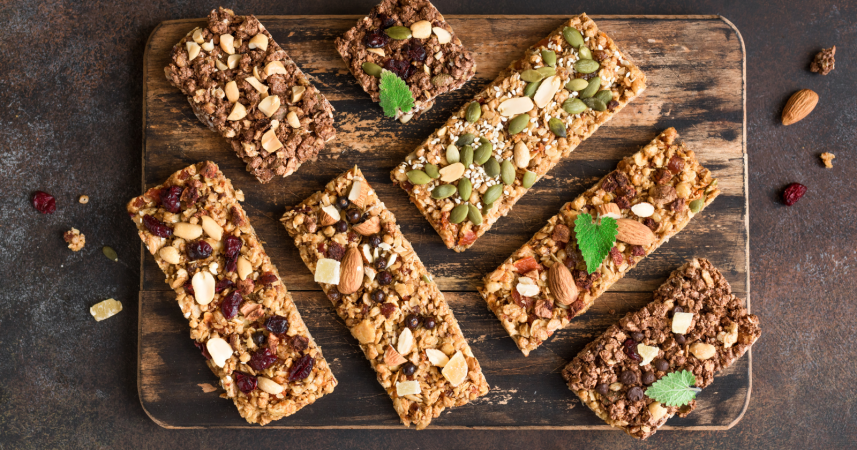
2. Protein bars and “clean” snacks with sugar alcohols
Confession: after a long trail run a few summers back, I grabbed a “gut-friendly” bar on the way home.
Fifteen minutes later, I looked five months pregnant. The label told the story—erythritol, chicory root fiber (inulin), and a lineup of sweeteners that can ferment in your gut and trigger gas, bloating, and cramping for many people.
This is backed by experts from Harvard Health, who note sugar alcohols commonly cause digestive discomfort for sensitive folks (source).
Sugar alcohols aren’t “bad”—they just might not love you back. If you notice bloat or brain fog after bar snacks, it may not be the protein; it’s the sweetening system.
What I do instead: Simple combos—an apple with peanut butter, edamame, roasted chickpeas, or a tofu-and-veggie wrap. For on-the-go, I keep a small bag of nuts and a piece of fruit.
Unsexy? Maybe. Dependably gentle? Yes.
3. Zero-sugar sodas and “natural” energy drinks
I know: no calories, no problem. But for some of us, diet sodas and “natural” energy drinks can still mess with appetite and sleep.
The combo of caffeine plus intense sweet taste can keep your reward system fired up, nudging you toward more sweets later. And late-day caffeine—yes, even the cleaner kinds—can linger and cloud tomorrow morning.
I’m not here to pry the can from your hands. I just want you to experiment. Notice your mental sharpness an hour after drinking one. How well did you sleep? Did your cravings change?
What I do instead: Sparkling water with a squeeze of citrus or a splash of unsweetened cranberry, iced green tea before noon, or hibiscus tea after.
If I truly need a lift, I’ll have a small coffee with a real meal so the buzz is buffered.
4. Flavored plant yogurts and granola “clusters”
Plant yogurts are a gift—especially if you’re dairy-free—but many flavored cups act like dessert in disguise.
The same goes for granola clusters; they’re fun, crunchy, and often sugar-forward.
A bowl of vanilla coconut yogurt with granola can easily pack as much sugar as a pastry, which can set you up for that 10:30 a.m. slump.
What I do instead: Unsweetened yogurt (almond, soy, or coconut) plus berries, cinnamon, and a handful of walnuts or hemp seeds. If I want granola, I portion a small sprinkle over the top and treat it like a topping, not the main event.
I also scan labels for added sugar and aim to keep it modest—ideally single digits per serving.
5. Veggie chips, rice cakes, and other “light” snacks
If it’s made from beets, it must be healthy, right? Eh. Veggie chips and rice cakes often offer the veneer of wholesomeness with the same blood-sugar rollercoaster as other refined snacks.
The ultra-crunchy texture and salty hit can make it easy to overshoot, leaving you feeling puffy and paradoxically unsatisfied.
What I do instead: Real vegetables with something creamy and savory. Sliced cucumbers with hummus. Carrot sticks with tahini-lemon dip.
Air-popped popcorn tossed with olive oil, nutritional yeast, and sea salt if I want that movie-night vibe.
The goal is to keep the crunch but add fiber, protein, or healthy fats so you actually feel done.
6. Gluten-free and keto baked goods (when you don’t need them)
This isn’t about gluten being evil. If you have celiac disease or a diagnosed sensitivity, of course choose gluten-free.
But the “GF” or “keto” label on cookies, muffins, and breads doesn’t automatically mean “easier on your body.”
Many of these options swap wheat for refined starches, gums, or concentrated sweeteners that act a lot like their traditional cousins in your system—spiking and crashing your energy.
I made this mistake during a heavy audit season years ago—stocked my desk drawer with “keto” cookies thinking they’d keep me focused. They did… for 20 minutes. Then came the slump. The issue wasn’t gluten or carbs—it was that I was trying to outsmart hunger with ultra-processed treats.
What I do instead: Whole-grain sourdough, oats, or brown rice paired with protein and produce. If I want a sweet, I’ll bake something simple at home so I control the ingredients—or I’ll buy the real cookie, eat it mindfully, and move on.
Clarity beats loopholes.
7. Ultra-processed plant-based meats and cheeses
I love seeing how far plant-based options have come. They’re convenient, satisfying, and they can be part of a compassionate plate. But not all of them are everyday foods.
Many plant-based meats and cheeses are ultra-processed, higher in sodium, and rely on dense fats (like coconut oil) and additives to nail the texture and melt.
For some people, that combo feels heavy—delicious in the moment, sluggish an hour later.
What I do instead: Keep the convenient options for travel days or cookout cravings, and center my routine meals on whole-food proteins—lentils, tempeh, tofu, beans, edamame, and mushrooms.
If I want a burger, I’ll mash black beans with quinoa, onions, and spices, pan-sear it, and call it a night. Not Michelin-starred, but my body says “thank you” every time.
A quick gut-brain check you can use this week
Feeling lighter and clearer isn’t about restriction. It’s about paying attention. Here are the questions I ask myself when a food wears a health halo:
-
How do I feel 60–90 minutes later—energized, neutral, or foggy and snack-hunting?
-
Where is the sugar coming from, and how much fiber/protein is riding along?
-
Does this food mostly come from a plant… or a plant in a factory?
-
Is this helping my sleep tonight? (Caffeine and late-night sweets have a way of stealing tomorrow’s clarity.)
I also keep in mind something Paracelsus said centuries ago: “The dose makes the poison.”
In other words, context matters. A kombucha at lunch isn’t a character flaw.
A plant-based sausage at a ballgame won’t sink your week.
But if your daily “healthy” choices consistently leave you bloated or wired-tired, a few edits can change everything.
Smart swaps that keep you satisfied
-
Craving sweet and creamy? Try chia pudding with soy milk, cinnamon, and berries instead of a sugary yogurt cup.
-
Need a grab-and-go bite? Pair a banana with a handful of nuts or a small tofu wrap rather than a bar packed with sugar alcohols.
-
Want crunch at 3 p.m.? Go for roasted chickpeas or carrots with hummus instead of veggie chips.
-
Thirsty for fizz? Sparkling water with a squeeze of orange or a splash of tart cherry over ice beats diet soda for many of us.
-
Looking for protein at dinner? Tempeh stir-fry or lentil tacos instead of a plant-based meat every night.
A note on individuality (and kindness)
Bodies are different. Food histories are different. What fogs me might focus you.
The point isn’t to demonize foods or to start a new set of rules—it’s to choose what helps you feel how you want to feel. If you’re managing a medical condition or have specific dietary needs, talk with a registered dietitian or your healthcare provider for tailored guidance.
And if you’re making changes, do it gently. Swap one thing at a time and observe. Keep the foods that love you back.
The bottom line
If your aim is to move through the day with a clear head and a light step, it might be time to graduate from a few well-meaning staples: bottled juices, “clean” bars with sugar alcohols, zero-sugar sodas and energy drinks, flavored plant yogurts plus granola, veggie chips and “light” snacks, gluten-free/keto treats you don’t need, and ultra-processed plant-based meats and cheeses.
Trade the halo for how you feel. Choose whole foods most of the time, keep the fun foods for when they’re worth it, and watch what happens to your energy, your mood, and your clarity.
That’s the kind of “healthy” that shows up in your life, not just on the label.