Nobody's expecting you to be a polyglot food expert, but these foods are common enough that knowing the correct pronunciations can save you from some awkward moments.

Add VegOut to your Google News feed. 
Ever been at a dinner party and confidently ordered the "kwee-no-ah" salad, only to catch a smirk from the waiter?
Yeah, me too.
Food pronunciation is one of those sneaky things that can instantly give away whether you're genuinely familiar with a cuisine or just trying to sound worldly. And honestly, there's no judgment here. We've all been there, fumbling through a menu at a fancy restaurant or trying to impress someone with our culinary knowledge.
The thing is, getting these pronunciations right isn't about being a snob. It's about showing respect for the cultures these foods come from and avoiding that awkward moment when everyone at the table exchanges knowing glances.
So let's dig into eight foods that trip people up all the time.
1. Quinoa
Let's start with the big one.
I used to work with someone who confidently called it "kwee-no-ah" for months before someone gently corrected her. The actual pronunciation? "KEEN-wah." The word comes from Quechua, an indigenous language of the Andes, and respecting that origin means getting it right.
When you say "kwee-no-ah," you're essentially announcing that you've only ever read about this ancient grain in health magazines but never actually talked to anyone who knows it. It's like wearing a sign that says "I'm new here."
The two-syllable version flows much more naturally once you get used to it. Try it a few times before your next brunch, and you'll sound like someone who actually cooks with the stuff.
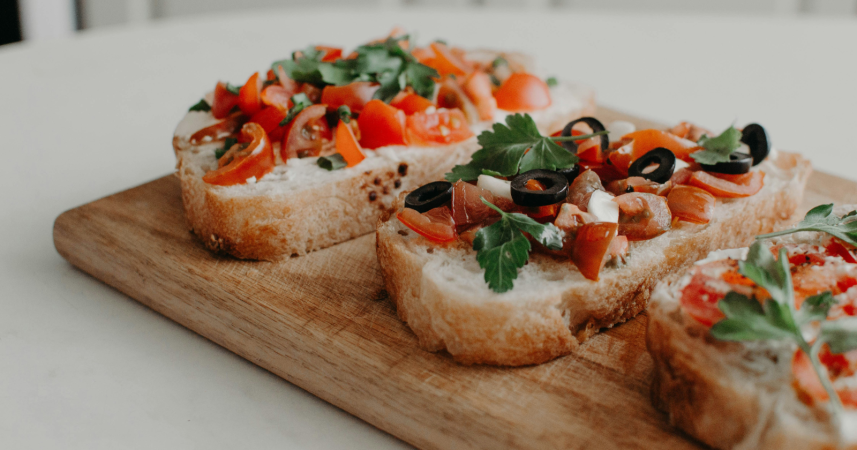
2. Bruschetta
This Italian appetizer gets butchered more than almost any other food on this list.
Most people say "broo-SHET-uh," emphasizing that "sh" sound. But in Italian, "ch" is pronounced like a hard "k." So it's actually "broo-SKET-uh."
I learned this the embarrassing way during a trip to Rome. I confidently ordered what I thought was correct, and the server repeated my order back to me with the proper pronunciation. It wasn't mean-spirited, but it was definitely a teaching moment.
The funny thing is, once you know the correct pronunciation, you start noticing how often people get it wrong. And while most folks won't call you out on it, Italian speakers definitely notice.
3. Gyro
Walk into a Greek restaurant and order a "JYE-roh," and you might as well be wearing a tourist badge.
The correct pronunciation is "YEE-roh," though some Greek speakers might say it closer to "ZHEER-oh" depending on the dialect. The "g" is soft, almost like a "y" sound, and that first syllable gets the emphasis.
This one threw me for a loop when I first started frequenting a local Greek place near my old office. The owner was incredibly patient, but I could tell he was amused every time someone mispronounced it. Eventually, he put up a small sign near the register with phonetic spellings. Smart move.
When you get it right, Greek restaurant owners and staff genuinely appreciate it. It signals that you're not just there for a quick lunch but that you actually care about the food and culture.
4. Pho
Vietnamese cuisine has exploded in popularity, but this iconic soup's name still trips people up constantly.
It's not "foe." It's not "fo." The correct pronunciation is closer to "fuh," with a rising tone if you really want to nail the Vietnamese inflection.
The confusion makes sense because English speakers see "ph" and immediately think of the "f" sound in "phone." But Vietnamese is a tonal language with different rules. When you say "foe," it sounds like you learned about pho from a food blog but have never actually been to a Vietnamese restaurant.
I started getting pho regularly at a place run by a Vietnamese family, and the grandmother who worked there would light up when customers pronounced it correctly. Small details matter.
5. Açaí
This Brazilian superfood berry became trendy a few years back, and with it came a wave of mispronunciations.
Most people say "uh-KYE-ee" or "uh-SAI." The correct pronunciation is "ah-sigh-EE," with the emphasis on that last syllable. The cedilla under the "c" signals that it's an "s" sound, not a hard "k."
Exotic-sounding foods often get mispronounced because people rely on written menus rather than hearing the words spoken. This creates a cycle where mispronunciation becomes normalized in certain regions.
When you order an açaí bowl and say it correctly, it shows you've done more than just follow health trends. You've actually learned a bit about where this ingredient comes from.
6. Chipotle
Yes, it's also a restaurant chain, but people were messing this up long before the fast-casual empire existed.
The common mistake? "chi-POL-tay." The correct version is "chi-POHT-lay," with that second syllable getting less emphasis and the "l" being softer.
This smoked jalapeño pepper has been a staple in Mexican cooking for centuries. When you mispronounce it, especially if you're ordering at an authentic Mexican restaurant, it's pretty obvious you're more familiar with the chain than the actual ingredient.
I grew up thinking the restaurant pronunciation was correct until I started cooking more Mexican food at home and watched some videos by Mexican chefs. Turns out, I'd been saying it wrong my entire adult life.
7. Prosciutto
Italian cured meats are having a moment, but this one still gets mangled regularly.
People often say "pro-SHOO-toe," but the correct pronunciation is "pro-SHOOT-toe," with a hard "t" sound. Some Italian speakers might soften it slightly, but that "sh" sound many Americans use? Not quite right.
The trick is remembering that double consonants in Italian often signal a specific pronunciation pattern. When you see "sci," it's tempting to make it a "sh" sound, but the "u" that follows changes things.
Ordering a prosciutto and melon appetizer with the right pronunciation instantly elevates your credibility at an Italian restaurant. It's subtle, but it matters.
8. Croissant
Last but definitely not least, this buttery French pastry.
The dead giveaway? Saying "cruh-SONT" or "KROY-sant." The correct French pronunciation is closer to "kwah-SOHN," with a nasal sound at the end and no hard "t."
I know, I know. It feels pretentious to use the French pronunciation at your local coffee shop. But here's the thing: when you're at an actual French bakery or patisserie, getting it right shows respect for the craft.
Learning proper pronunciation is part of appreciating food culture. It's not about showing off but about honoring the traditions behind what you're eating.
Final thoughts
Look, nobody's expecting you to be a polyglot food expert.
But these eight foods are common enough that knowing the correct pronunciations can save you from some awkward moments. More importantly, it shows respect for the cultures these foods come from.
I've definitely stumbled through plenty of menu items in my time, and I'm sure I'll continue to learn new pronunciations as I explore different cuisines. The key is being open to correction and willing to adjust.
Next time you're ordering one of these foods, take a second to double-check the pronunciation in your head. Your server, the chef, and honestly your dining companions will appreciate it.
And if you do get corrected? Just say thanks and move on. We're all learning.
What’s Your Plant-Powered Archetype?
Ever wonder what your everyday habits say about your deeper purpose—and how they ripple out to impact the planet?
This 90-second quiz reveals the plant-powered role you’re here to play, and the tiny shift that makes it even more powerful.
12 fun questions. Instant results. Surprisingly accurate.