The gap between keeping chicken bones for a second batch of stock and ordering fresh food on an app reveals more than just different habits.
Growing up, I watched my parents transform Sunday's roast chicken into at least four more meals. Nothing went to waste. Not the bones, not the wilted vegetables in the crisper, not even the bread that had gone slightly stale.
Fast forward to today, and I'm watching my younger colleagues toss perfectly good food because it's been in the fridge for two days. The generational divide when it comes to leftovers is real, and it's fascinating.
After years of observing these differences and talking to people from both generations, I've noticed some practices that Boomers considered completely normal but leave Gen Z utterly shocked. Let's explore what's changed and why.
1. Saving every sauce and condiment packet
Remember those drawers stuffed with ketchup packets from fast food restaurants? My parents had one. Actually, they had an entire shoebox dedicated to sauce packets, napkins, and plastic utensils.
Every time we'd get takeout, those little packets would get carefully stored away. Duck sauce from Chinese food. Hot sauce from taco night. Soy sauce packets that probably dated back to the 90s.
The logic was simple: why buy a whole bottle when you have these perfectly good single-serve portions? But for Gen Z, who can get condiments delivered with their food on demand, this hoarding behavior seems bizarre. They'd rather have fresh sauce than dig through a pile of mystery packets.
2. Creating "leftover casserole" from random ingredients
This one still makes me laugh.
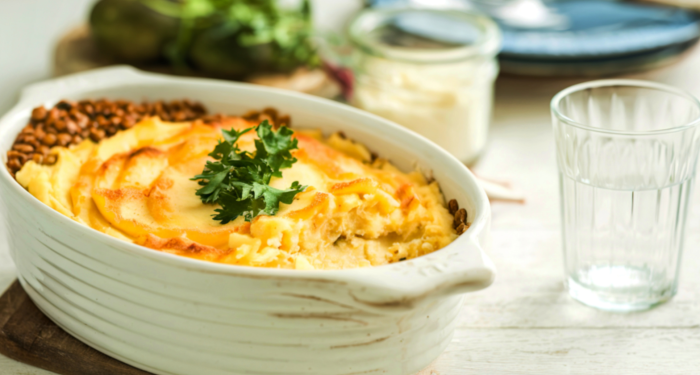
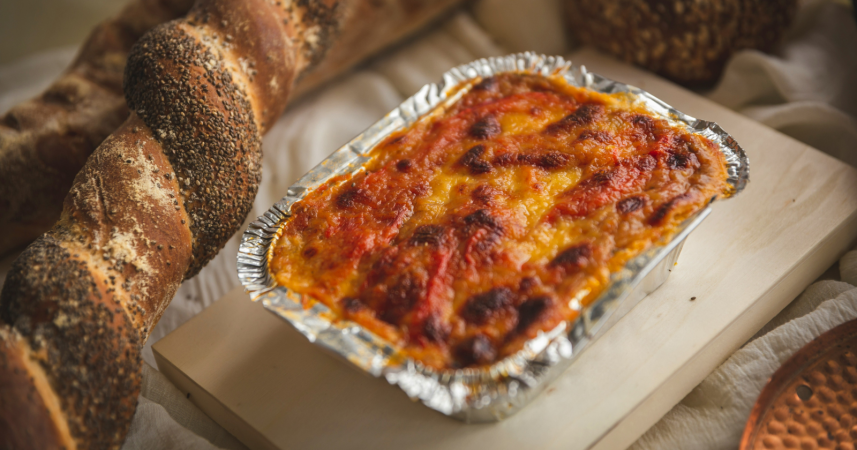
My mother would open the fridge on Thursday nights and start pulling things out. Half a cup of green beans from Monday. Some mashed potatoes from Tuesday. A bit of ground beef from who knows when. All of it would go into a casserole dish, get topped with cheese or breadcrumbs, and become dinner.
She called it "kitchen sink casserole" and was genuinely proud of her resourcefulness. I mentioned this practice to a 24-year-old coworker once, and her face went pale. "Wait, you just mixed random old food together and baked it?" she asked, horrified.
To Gen Z, this feels less like resourcefulness and more like a food safety nightmare. They want to know exactly what's in their food and when it was made.
3. Keeping bread in the freezer for months
Found a good deal on bread? Buy three loaves and freeze them. That was the Boomer way.
My parents always had at least two backup loaves in the freezer, sometimes for months at a time. When we needed bread, they'd pull out the frozen loaf and let it thaw on the counter. Sometimes they'd even toast frozen slices directly.
Epicurious notes that freezing bread is actually a great way to extend its life, keeping it fresh for up to six months when done properly.
But Gen Z tends to buy bread fresh and expects to use it within days. The idea of eating bread that's been frozen for three months doesn't appeal to them. They'd rather make a quick trip to the store or order through an app.
4. Reusing aluminum foil until it fell apart
Here's something that really gets younger generations: my parents would wash aluminum foil.
After covering leftovers or lining a baking sheet, they'd carefully rinse the foil, smooth it out, and reuse it. Sometimes the same piece would get used five or six times before it finally tore beyond repair.
I remember my dad had a whole system. Clean foil on the left side of the drawer, used-but-still-good foil on the right. He'd get genuinely annoyed if someone threw away a perfectly reusable piece.
When I mentioned this to my younger friend, she looked at me like I'd grown a second head. "Isn't aluminum foil, like, super cheap?" she asked. Yes, but for Boomers, it wasn't about the cost. It was about not being wasteful.
5. Turning stale bread into breadcrumbs or croutons
Stale bread never died in a Boomer household. It simply transformed.
Bread going hard? Toast it, cube it, and make croutons for salad. Too far gone even for that? Blend it into breadcrumbs for meatloaf or chicken coating. My mother kept a jar of homemade breadcrumbs in the pantry at all times.
This practice actually has deep roots in cooking traditions. Making breadcrumbs from stale bread has been a kitchen staple for generations, turning what would be waste into a useful ingredient.
Meanwhile, Gen Z is more likely to toss bread at the first sign of staleness. With pre-made breadcrumbs and croutons readily available at any store, the DIY approach seems unnecessarily complicated to them.
6. Saving vegetable scraps for homemade stock
My parents kept a bag in the freezer specifically for vegetable scraps. Onion peels, carrot tops, celery leaves, herb stems. Anything that came off a vegetable went into that bag.
Once it was full, they'd simmer everything in water to make homemade stock. It was free, flavorful, and reduced waste. They couldn't understand why anyone would pay for store-bought stock when you could make it from trash.
But here's what Gen Z sees: a bag of rotting vegetable matter sitting in the freezer for weeks or months. Even when I explain that it's for stock, they're skeptical. "Don't those scraps go bad?" they ask. "Isn't that just garbage soup?"
The concept of saving scraps feels less like smart cooking and more like extreme penny-pinching to a generation that values convenience and freshness.
7. Eating leftovers that were several days old
How long is too long for leftovers? For Boomers, the answer was usually "until it smells bad or grows visible mold."
I remember eating spaghetti that was five days old, casseroles from the beginning of the week on Friday night, and Thanksgiving leftovers well into the following week. The rule was simple: if it passed the smell test, it was good to eat.
Gen Z has a much stricter timeline. Many won't eat leftovers after two days, maximum three. They're hyper-aware of food safety guidelines and expiration dates in a way previous generations weren't.
Is this caution warranted? Probably somewhere in the middle is best. While Boomers might have pushed the limits too far, Gen Z's strict adherence to dates sometimes leads to tossing perfectly good food.
8. Repurposing meat bones multiple times
A chicken carcass in a Boomer kitchen was like a gift that kept on giving.
First, you'd roast the chicken for dinner. Then you'd pick off the remaining meat for chicken salad. Next, you'd simmer the bones for stock. Some people would even reuse those same bones for a second, weaker batch of stock.
I watched my mother do this every time we had a whole chicken. She'd store that carcass in the fridge and use it within the week, extracting every possible bit of value from it.
When I described this to younger friends, they were disgusted. "You kept a picked-over chicken skeleton in your fridge?" one asked. The image alone was enough to turn them off, never mind the practical benefits of homemade stock.
9. Mixing all the leftovers into one container
Why dirty multiple containers when you can just throw everything into one big bowl?
That was the thinking behind the infamous "leftover bowl" in many Boomer households. Different foods from dinner would all get scraped into one container. The mashed potatoes would touch the green beans, which would mix with the meat, and it all went into the fridge together.
The next day, you'd either eat it as is or heat it up as a weird but efficient meal. Why not? It all ends up in your stomach anyway, right?
This drives Gen Z absolutely crazy. They're the generation of meal prep containers with separate compartments. They don't want their foods touching, let alone stored together in one mushy pile. The thought of reheating a mixed mound of yesterday's dinner makes them want to order takeout.
Understanding the divide
So what's behind these wildly different approaches to leftovers?
A lot of it comes down to the economic environments each generation grew up in. Boomers were raised by parents who lived through the Great Depression and World War II, when food scarcity was real. That "waste not, want not" mentality got passed down and shaped how they handled food throughout their lives.
Gen Z, on the other hand, grew up in an era of abundance and convenience. Food delivery apps, 24-hour grocery stores, and affordable restaurants mean they've never really had to worry about stretching food as far as possible. Their concerns lean more toward food safety, freshness, and quality rather than using every last bit.
Neither approach is entirely right or wrong. Boomers were incredibly resourceful, but sometimes took food preservation a bit too far. Gen Z is more cautious about food safety, but their standards can lead to unnecessary waste.
The sweet spot probably lies somewhere in between. Being thoughtful about food waste while also respecting reasonable safety guidelines. Using leftovers creatively without keeping things for dangerously long periods. Finding that balance between resourcefulness and common sense.
What matters most is being intentional about our relationship with food. Whether you're team "save the sauce packets" or team "when in doubt, throw it out," there's value in understanding where different generations are coming from. After all, we're all just trying to feed ourselves and our families in the way that makes the most sense to us.