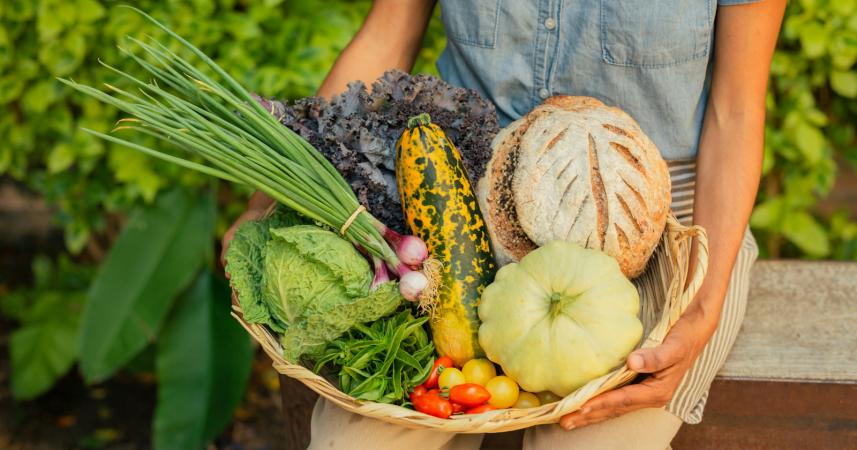
Small storage tweaks can buy you days—sometimes weeks—of freshness.
We’ve all opened the fridge to a sad bag of wilted greens or a fuzzy carton of berries, right?
Nothing sinks my mood faster than throwing away food I was excited to eat.
After years of gardening, volunteering at farmers’ markets, and running a household like the former analyst I am (yes, I budget my basil), I’ve learned that a few small storage tweaks can buy you days—sometimes weeks—of freshness.
Here are seven simple, science-backed habits I swear by.
1. Use your crisper drawers with intent
Most fridges have two crisper drawers for a reason: humidity control.
One should be your “humid home” (vents mostly closed) for moisture-loving, quick-to-wilt produce—think leafy greens, herbs you’re not bouquet-storing, carrots, celery, and broccoli.
The other is your “drier den” (vents open) for fruits that prefer less humidity, such as apples, pears, and grapes.
I label mine with painter’s tape so everyone in my household knows what goes where.
It sounds fussy, but it’s the difference between limp spinach and perky leaves on Tuesday.
If your drawers aren’t labeled, create your own rule: greens and crunchies = humid; most fruits = drier.
A final tip from the data-nerd in me: don’t overfill. Airflow matters. Packed drawers trap excess moisture and invite slime.
2. Wash, dry, and “box” your greens the day you shop
I used to stash greens in their store bags “to save time” and ended up tossing half of them.
Now I do a quick ritual: rinse, spin very dry (salad spinner for the win), then layer into a wide, shallow container lined with a clean kitchen towel or paper towels.
Add another towel on top to wick stray droplets, close the lid lightly (you want a little airflow), and tuck into the humid drawer.
This makes salads a two-minute move all week. It also slows both sogginess (too much moisture) and wilting (too little moisture) by creating a breathable, slightly cushioned microclimate.
Bonus: the “ready-to-eat” effect nudges me to actually eat the greens before my weekend trail run derails dinner plans.
3. Treat tender herbs like flowers (and watch them last for weeks)
When I’m helping at our local market, I see gorgeous cilantro and parsley go limp in a day because they’re tossed—still rubber-banded—into crisper chaos.
The fix is beautifully simple. Trim the ends, stand the bunch upright in a jar with about an inch of water, and cover loosely.
As J. Kenji López-Alt notes after testing multiple methods, “Stored upright with water, like flowers, was by far the best for tender herbs like cilantro and parsley.”
I like a quart deli container with a lid, which prevents spills and reduces refrigerator drafts.
Change the water every couple of days.
For hardy herbs (rosemary, thyme), wrap in a barely damp towel and slip into a partially closed bag.
And keep basil at room temp in water like a bouquet—cold bruises it.
4. Give berries the “clean, dry, shallow” treatment (with an optional vinegar step)
Berries are diva-delicious—and quick to mold.
My baseline method: sort out any damaged berries first (one fuzzy friend ruins the bunch), then store in a shallow container lined with paper towels so they sit in a single layer.
Keep the lid slightly ajar for airflow and don’t wash until just before eating.
If you live in a humid climate or notice berries molding fast, try a gentle vinegar pre-wash: 3 parts cold water to 1 part distilled white vinegar.
Swish, rinse thoroughly, dry completely (gently), then store as above.
In my experience, this buys an extra couple of days.
Anecdotally, many test kitchens find the method helpful; the common denominator is always the same: dry them well and avoid stacking.
If the vinegar step isn’t your thing, stick with clean, dry, shallow—and enjoy the berries sooner rather than later.
5. Separate ethylene-makers from ethylene-sensitive produce
Ever put a cucumber next to apples and wondered why it went soft early?
Some fruits release a natural ripening gas called ethylene.
As the University of Maine Cooperative Extension puts it, “Most fruits produce a gaseous compound called ethylene that starts the ripening process.”
Your move: keep high ethylene producers—apples, bananas, pears, avocados, tomatoes—away from ethylene-sensitive items like leafy greens, cucumbers, broccoli, and fresh herbs.
I practice a “ripen and relocate” routine: avocados and bananas ripen on the counter, then head to the drier crisper once ready to slow further change.
Onions and potatoes get a cool, dark shelf (separately—storing them together hastens sprouting and softening).
Mushrooms get a paper bag, never plastic, so they can breathe.
A little map on your fridge door helps: Left drawer = greens & veg; Right drawer = most fruits; Door shelves = hardy items like condiments and plant milks you finish fast.
6. Freeze (and pre-portion) to outsmart the clock
Freezing isn’t just a last resort; it’s a smart first move that preserves nutrients and cuts weekday prep time:
-
Herbs: Chop and pack into ice cube trays with water or olive oil; pop out a cube for soups, sautés, and sauces. Pesto freezes like a dream.
-
Ripe avocados: Mash with a squeeze of lemon and freeze flat in zip bags; thaw in the fridge for toast or tacos.
-
Scallions & peppers: Slice, freeze on a sheet, then transfer to a container; toss into stir-fries still frozen.
-
Cooked beans and whole grains: Batch-cook, freeze in 1–2 cup portions. This protects quality (less fridge time) and saves you from “I’ll get to it tomorrow” syndrome.
-
Tofu: Freeze blocks in their package, then thaw and press—freezing changes the texture for a satisfyingly meaty chew in stir-fries.
I think of my freezer as a “pause button” for peak produce. It’s not procrastination; it’s smart asset management.
7. Set your fridge to 37°F (3°C), add a thermometer, and don’t overcrowd
Temperature is your quiet, constant freshness lever.
Food safety authorities are clear: “Keep cold food cold—at or below 40 °F.” (USDA FSIS).
I set mine to 37°F to buffer frequent door openings and use an inexpensive appliance thermometer to verify (fridge dials can be optimistic).
Two more power moves my market volunteers swear by:
-
Don’t block vents. Cold air needs to circulate. If you stack containers tightly or line shelves with mats, you create warm pockets where produce spoils faster.
-
Make an “Eat Me First” bin. Front and center. Anything tender or prepped goes here so it’s the first thing you see when you’re scanning for a snack after a long day.
A quick reality check (and a mindset shift)
I used to treat storage like a chore. Now I think of it as care.
Ten minutes of herb jar-filling and greens “boxing” on grocery day gives me a week of easy, vibrant meals.
It also reduces waste, which feels good—financially and environmentally.
And if you’re juggling work, workouts, and life, lowering friction at mealtime is a true self-kindness.
Which of these will you try first?
If berries are your heartbreak food, start with the shallow, dry container.
If herbs routinely wilt, give them the bouquet treatment.
If your greens die young, wash-spin-box tonight and thank yourself later.
Small tweaks, big payoff.
Fresh food fuels clear thinking, steadier energy, and better moods. That’s self-development you can taste.
If You Were a Healing Herb, Which Would You Be?
Each herb holds a unique kind of magic — soothing, awakening, grounding, or clarifying.
This 9-question quiz reveals the healing plant that mirrors your energy right now and what it says about your natural rhythm.
✨ Instant results. Deeply insightful.