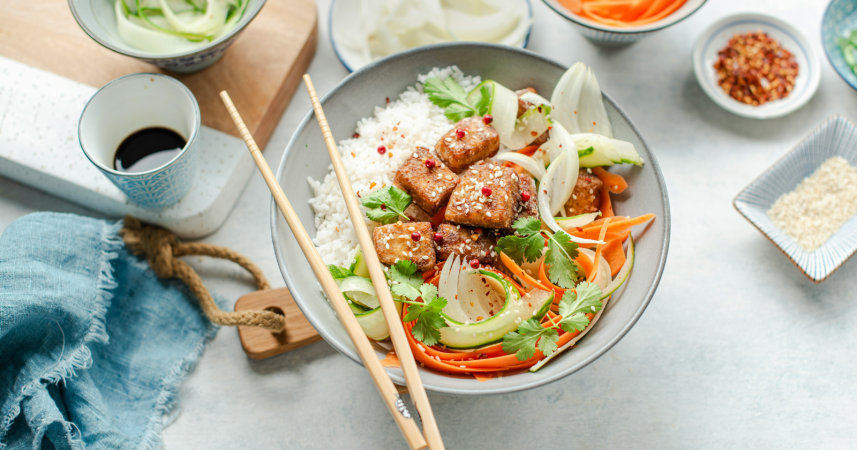
Week one: panic. Week five: peace. Here’s what I wish I’d known before filling my cart with tofu and hope.
I remember staring at a half-empty fridge my first week on plants, convinced I’d “run out of protein.”
Spoiler: I didn’t. But my rookie mistakes—and the frantic Googling that followed—showed me how many surprises wait beyond the green smoothie glow.
If you’re just setting out, here are ten lessons I wish someone had whispered in my ear (without the lecture tone).
1. Stock your pantry with purpose
The quickest path to “there’s nothing to eat” is an unplanned cupboard.
Think beans, lentils, rolled oats, brown rice, canned tomatoes, and frozen veggies—basics that morph into chili, stir-fries, or breakfast bowls in minutes.
I keep shelf-stable soy milk and peanut butter for emergency calories, plus a couple of spice blends that make everything taste intentional.
One Saturday session of bulk-buying beats a month of last-minute take-out.
2. Your taste buds will change faster than you expect
Week two, kale still felt like punishment. By week eight, I was craving it.
Studies show our palate adapts when we repeatedly expose it to new flavors; bitterness and earthiness become the “new normal.”
So give yourself a tasting period.
Roast vegetables at a high heat with a little salt and fat—caramelization coaxes out sweetness and makes that first leap less intimidating.
3. You don’t need fancy substitutes
Plant-based burgers can save a barbecue, but you don’t have to live on them.
The healthiest, cheapest fuel still looks like produce plus grains and legumes. As registered dietitian Brenda Davis reminds new clients, “When you enjoy great health, you become the best ambassador for compassionate eating.”
I took her words to heart: tofu scrambled with turmeric, black beans over quinoa, chickpea salad sandwiches. Once you master whole-food staples, novelty products become an occasional treat rather than a lifeline.
4. Meal prep is your secret weapon
Sunday afternoon I roast two trays of mixed veggies, pressure-cook a pot of beans, and whisk up a quick tahini dressing. Week-night me is always grateful.
Prepped components slash decision fatigue: stuff them into wraps, toss with pasta, or crown a salad.
Bonus—packing overnight oats or chia pudding means breakfast never slides into sugary territory.
5. Social situations get easier with practice
At first I dreaded dinners out—cue the awkward “So, you can’t even have cheese?” chats.
Now I scan menus online, call ahead, or offer to bring a dish to potlucks. Most friends appreciate the initiative (they also devour my smoky lentil dip).
Confidence comes from having a plan, not from memorizing nutrition stats.
6. Read every label—dairy and eggs hide everywhere
Whey in crackers, casein in “non-dairy” creamer, albumen in candy coating… manufacturers are sneaky.
My rule: if I don’t recognize a word, I look it up. Over time I built a mental blacklist of common culprits, and grocery trips sped back up.
Extra plus: scanning labels keeps ultra-processed snacks out of my cart.
7. Supplementing B12 is non-negotiable
Vitamin B12 is made by soil microbes, not plants, so modern produce simply doesn’t supply enough.
The Academy of Nutrition and Dietetics notes that well-planned vegan diets are healthy at all life stages—but they hinge on reliable B12 sources.
I take a 1000 µg cyanocobalamin tablet twice a week—cheap, tiny, and far easier than dealing with deficiency fatigue down the road.
8. Cravings often mean nutrients, not meat
My first winter craving for a burger was really a craving for iron and savory umami.
A quick lentil-mushroom patty hit the spot.
Tune in: salty urges might signal electrolytes, sweet tooth moments can follow skipped meals.
Before assuming plant eating “isn’t satisfying,” check whether the plate covers protein, healthy fat, fiber, and flavor.
9. Progress beats perfection
I once beat myself up over a roadside latte that turned out to contain cow’s milk.
Then I realized the bigger picture: one slip in thousands of meals doesn’t erase the positive impact I’m making.
View the journey like trail running—stumbles happen, but forward movement matters. Keep learning, adjust, and move on.
10. Your “why” will deepen over time
“At first I went plant-based for cholesterol numbers,” a friend told me recently, “but now I stay because I feel connected to the planet.” Same here.
Physician and nutrition researcher Dr. Michael Greger loves to say, “Eat the rainbow”—each color safeguards different aspects of health.
The more diverse plants I ate, the better I felt, and the more ethical and environmental layers clicked into place. Motivation that evolves is motivation that sticks.
Final thoughts
If you’re new to this, expect a learning curve—but also expect your energy, culinary creativity, and sense of purpose to expand in ways that surprise you.
Keep staples on hand, prep ahead, read labels, pop your B12, and forgive the occasional bump.
Most importantly, stay curious. Each meal is a mini-experiment, a chance to discover flavors, textures, and insights you never noticed in your omnivore days.
Ready to find out what else is possible? Open the fridge and start where you are.
If You Were a Healing Herb, Which Would You Be?
Each herb holds a unique kind of magic — soothing, awakening, grounding, or clarifying.
This 9-question quiz reveals the healing plant that mirrors your energy right now and what it says about your natural rhythm.
✨ Instant results. Deeply insightful.