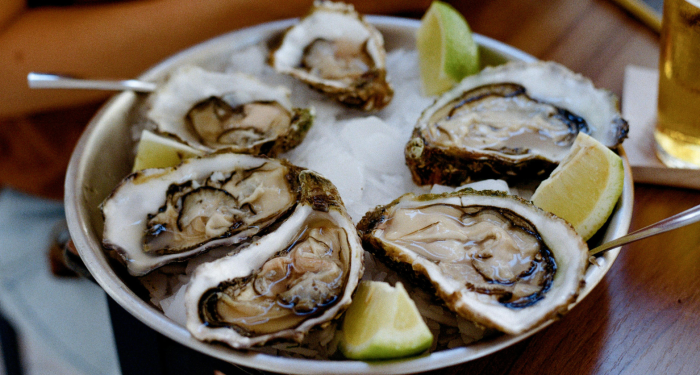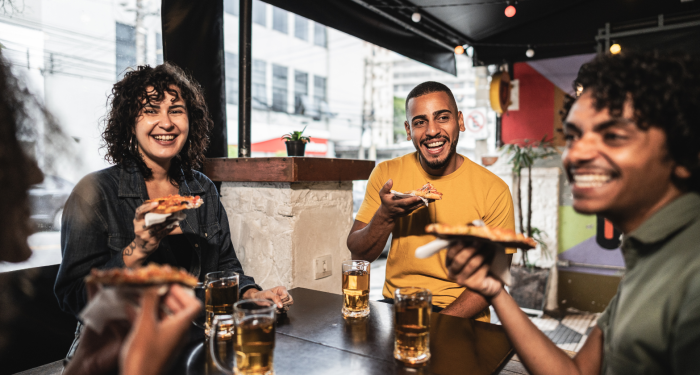
Food became the excuse to connect, to spend unhurried time with people we cared about, turning meals into collaborative experiences rather than just refueling.
Remember when eating out meant choosing between a burger joint and a sit-down restaurant?
Those days feel like ancient history now.
As someone who came of age during the peak of millennial food culture, I've watched eating transform from a simple necessity into an experience worth Instagramming, discussing, and genuinely getting excited about. And honestly? It's been pretty amazing.
Sure, some people roll their eyes at avocado toast and rainbow bagels. But here's what I've noticed: these trends didn't just make our plates prettier. They actually made eating more adventurous, more social, and way more enjoyable.
Let's talk about the food trends that genuinely changed how we experience meals.
1. Food trucks bringing restaurant quality to the streets
I still remember the first time I tried Korean BBQ tacos from a food truck parked near my office. The line wrapped around the block, and I stood there thinking, "Is this really worth the wait?"
It absolutely was.
Food trucks took dining out of stuffy restaurants and dropped it right into parking lots, festivals, and street corners. Suddenly, you could grab gourmet grilled cheese, authentic pho, or artisan donuts without making a reservation or spending a fortune.
The best part? Food trucks created this casual, communal vibe that fancy restaurants never could. You'd stand around with strangers, all waiting for the same incredible food, swapping recommendations about which truck to hit next.
2. Brunch becoming an actual lifestyle
Brunch used to be something your grandparents did after church on Sundays.
Then millennials turned it into a full-blown social phenomenon.
Weekend brunch became the perfect excuse to catch up with friends, linger over bottomless mimosas, and justify eating pancakes at 2 PM. Restaurants started getting creative with their menus, offering everything from shakshuka to breakfast burritos the size of your forearm.
What made brunch special wasn't just the food. It was the permission to slow down, to make eating a several-hour affair instead of rushing through a meal. In our always-on culture, that kind of leisurely dining felt revolutionary.
3. Instagram-worthy presentation changing how we see food
Yes, I know. Taking photos of your food got mocked relentlessly.
But here's what critics missed: when restaurants started making dishes beautiful enough to photograph, they elevated the entire dining experience. Chefs began thinking about color, height, and composition in ways they hadn't before.
I've watched restaurant owners experiment with edible flowers, geometric plating, and vibrant ingredients specifically because they knew diners wanted that visual wow factor. And you know what? It pushed culinary creativity forward.
Instagram changed the way chefs think about constructing a dish. When your meal looks like art, eating becomes more than just fuel. It becomes an experience you want to savor and remember.
4. Poke bowls making healthy food actually appealing
For years, "healthy food" meant sad desk salads and flavorless chicken breasts.
Then poke bowls showed up and changed everything.
These Hawaiian-inspired bowls proved that nutritious meals could be colorful, customizable, and genuinely crave-worthy. You got to pick your base, your protein, your toppings, and your sauce. Every bowl felt personalized.
I started actually looking forward to lunch instead of dreading another boring meal. The combination of fresh fish, crunchy vegetables, creamy avocado, and tangy sauces hit every flavor note. Suddenly, eating well didn't feel like punishment.
5. Craft coffee making your morning routine special
Coffee used to be something you grabbed on your way out the door, barely tasting it as you rushed to work.
The craft coffee movement turned that morning ritual into something worth slowing down for.
Baristas became artists, creating intricate latte designs and carefully explaining the flavor notes in single-origin beans. Coffee shops transformed into third spaces where you could work, meet friends, or just sit and actually enjoy your drink.
I'll admit I was skeptical at first about paying $5 for a latte. But there's something genuinely pleasant about watching someone craft your drink with care, knowing exactly where the beans came from, and tasting the difference that quality makes.
6. Farm-to-table connecting us to our food sources
When restaurants started listing the actual farms where they sourced ingredients, it created this connection between diners and their food that hadn't existed before.
You weren't just eating tomatoes. You were eating tomatoes from Green Acres Farm, picked yesterday morning, grown without pesticides.
This transparency made eating more meaningful. As chef Alice Waters has long advocated, "Good food depends almost entirely on good ingredients." When you know your food's story, every bite tastes a little better.
I found myself getting curious about seasonal produce, seeking out farmers markets, and actually caring about where my food came from. That awareness made me a more thoughtful eater.
7. Ramen shops elevating comfort food
College students survived on instant ramen for decades, but millennial food culture reclaimed this dish and turned it into something extraordinary.
Authentic ramen shops started popping up everywhere, serving broths that simmered for days, perfectly cooked eggs with jammy yolks, and noodles with just the right chew. These weren't quick meals. They were crafted experiences.
I remember my first bowl of real tonkotsu ramen. The rich, creamy broth, the tender pork belly, the way everything came together in this comforting, soul-warming bowl. It made me realize how much I'd been missing by settling for the instant stuff.
Suddenly, comfort food didn't mean compromising on quality or flavor. It meant finding dishes that satisfied both your taste buds and your soul.
8. Build-your-own concepts putting diners in control
Chipotle pioneered this format, but the build-your-own concept exploded into every cuisine imaginable. Pizza. Salads. Grain bowls. Frozen yogurt. Sushi burritos.
What made this trend so enjoyable was the control it gave you.
You could accommodate dietary restrictions without feeling like a burden. You could skip ingredients you disliked and double up on your favorites. Every meal felt personal, tailored exactly to what you wanted in that moment.
I appreciated never having to ask for substitutions or modifications. The whole system assumed you'd want to customize, making eating out accessible for everyone from vegans to picky eaters to people with allergies.
9. Fusion cuisine breaking all the rules
Korean tacos. Sushi burritos. Indian pizza. Ramen burgers.
Food purists complained that fusion cuisine disrespected traditional cooking. But for those of us actually eating it, fusion felt exciting and boundary-breaking.
These mashups reflected the multicultural reality of modern life. Why shouldn't different culinary traditions come together in unexpected ways? Some experiments failed spectacularly, sure. But the successful ones created entirely new flavor experiences.
I've had bánh mì sandwiches with fried chicken, pizza topped with tandoori paneer, and tacos filled with bulgogi beef. Each one made me think about food differently, appreciating how cuisines could complement each other in surprising ways.
10. Bottomless brunches and shared plates encouraging social dining
The shift toward shared plates and communal dining changed how we ate together.
Instead of everyone ordering their own entrée and sticking to it, we started ordering multiple dishes to share. This turned meals into collaborative experiences, where you got to try six different things instead of committing to just one.
Bottomless brunch deals and tapas-style menus encouraged lingering, trying new things, and making dining a proper social event rather than just refueling.
Research backs this up too. Studies have shown that eating together strengthens social bonds and increases overall life satisfaction. Food became the excuse to connect, to spend unhurried time with people we cared about.
I've had some of my best conversations while passing plates around a table, everyone sampling a bit of everything, laughing over whether to order one more round.
Final thoughts
Not every millennial food trend deserves praise, obviously.
Some were pure novelty with no staying power. Others were genuinely problematic, like the way food tourism sometimes exploited communities or how Instagram food waste became a real issue.
But looking back at the past decade or so, I'm genuinely grateful for how these trends transformed eating from a mundane necessity into something fun, adventurous, and social. They pushed us to be more curious about ingredients, more willing to try new flavors, and more intentional about making meals into experiences worth savoring.
Food culture will keep evolving, and some of these trends will fade. But the spirit behind them, that sense of adventure and joy in eating, feels like it's here to stay.
And honestly? That makes every meal a little more exciting.