The pre-marinated chicken and flavored creamer in your cart aren't just groceries but tiny declarations of what feels luxurious in your world.
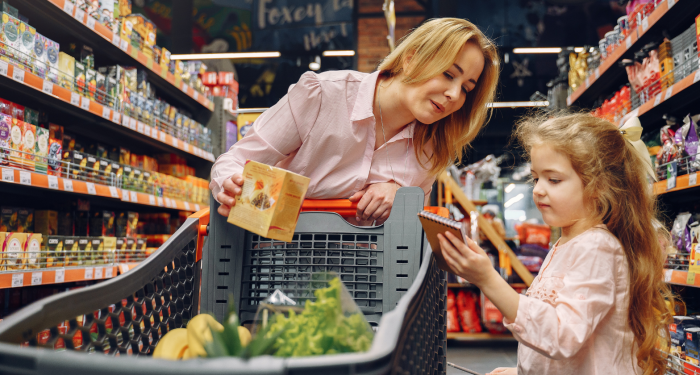
Ever notice how the shopping carts at the grocery store tell a story about who we are and what we value?
I've spent years analyzing spending patterns, first as a financial analyst and now as someone who writes about the psychology behind our choices. And one thing that's always fascinated me is how different income brackets approach grocery shopping.
Here's what I've observed: lower middle class families often treat certain grocery items as little luxuries, small splurges that make everyday life feel a bit more special. Meanwhile, wealthier shoppers tend to skip right past these same products. It's not about being cheap or frugal. It's about different priorities, different values, and honestly, different access to alternatives.
Let's look at ten items that tell this story.
1. Pre-marinated meats
Walk down the meat aisle and you'll see them: chicken breasts swimming in teriyaki sauce, pork chops coated in a garlic herb blend, beef tips ready for the grill.
For many families, these feel like a treat. They're more expensive than plain cuts, sure, but they promise convenience and flavor without the guesswork. After a long day at work, grabbing a package that's ready to cook feels like a small victory.
Wealthier shoppers? They usually bypass these entirely. They're either buying plain cuts and marinating them at home with fresh ingredients, or they're picking up prepared meals from specialty shops and restaurants. The pre-marinated grocery store version sits in an awkward middle ground they don't occupy.
2. Name brand cereal
There's something about a box of Frosted Flakes or Lucky Charms that feels special, isn't there?
I remember growing up, name brand cereal was what we got on special occasions or when it was on sale. The generic stuff worked just fine most of the time, but those colorful boxes represented something more than breakfast. They were a small indulgence, a way of saying "we're doing okay."
Many consumers believe name brands offer better quality, even when blind taste tests show minimal difference. For lower middle class families, splurging on these recognizable boxes feels worth it.
Meanwhile, affluent families often skip cereal altogether in favor of fresh fruit, yogurt parfaits, or made-to-order breakfasts. Or if they do buy cereal, they're reaching for expensive granola from Whole Foods, not Tony the Tiger.
3. Flavored coffee creamers
French Vanilla. Hazelnut. Pumpkin Spice. The creamer aisle has become its own universe of flavors.
For many households, these bottles are a daily treat. They turn a basic cup of coffee into something that feels indulgent, almost dessert-like. At $4 or $5 a bottle, they're not cheap, but they're cheaper than hitting up a coffee shop every morning.
Wealthier consumers tend to drink their coffee black, with a splash of organic whole milk, or they're stopping at their favorite coffee shop where a barista knows their order by heart. The bottled creamers don't fit their routine.
4. Frozen appetizers and snacks
Mozzarella sticks, jalapeño poppers, mini egg rolls, pizza rolls. The freezer section is packed with these bite-sized indulgences.
They're expensive for what you get, honestly. A box might cost $6 or $7 and contain maybe a dozen pieces. But they feel special, especially when you're having people over or want to make movie night feel more like an event.
I've noticed that families splurge on these because they bridge the gap between everyday eating and restaurant dining. They're fancy enough to feel like a treat but accessible enough to grab during a regular shopping trip.
Affluent families, though? If they want appetizers, they're either making them from scratch with fresh ingredients or ordering from a caterer. The freezer aisle versions don't make it into their carts.
5. Premium ice cream flavors
Not just any ice cream, mind you. I'm talking about the pints with creative names and chunks of cookies, swirls of caramel, ribbons of fudge.
These little containers can cost $5 or $6 each, which is a lot for ice cream. But for many families, they represent a small luxury that everyone can enjoy together. It's the treat you buy after a tough week or to celebrate a good report card.
As behavioral economist Dan Ariely has noted, we often assign emotional value to purchases beyond their practical worth. That pint of Chunky Monkey isn't just ice cream. It's comfort, celebration, and a moment of sweetness in the everyday grind.
Wealthier shoppers? They're either buying artisanal ice cream from local shops or they've moved on to gelato, sorbet, or they simply don't keep it in the house.
6. Individual juice boxes and pouches
Those colorful boxes and pouches of juice seem harmless enough, right?
But here's the thing: they're incredibly expensive per ounce compared to buying a large jug of juice. Still, many families splurge on them because they're convenient for school lunches and feel like giving kids something special.
There's also a marketing angle at play here. Packages covered in fruit images and vitamins claims make parents feel like they're making a healthy choice, even when these drinks are often loaded with sugar.
Wealthy families typically skip these altogether. If their kids drink juice at all, it's freshly squeezed or from expensive cold-pressed brands. More often, they're pushing water or milk instead.
7. Boxed baking mixes
Brownie mix. Cake mix. Muffin mix. These boxes promise bakery-quality results with minimal effort.
For many households, using a mix feels like a reasonable middle ground. You're not buying expensive bakery items, but you're also not spending hours baking from scratch. Plus, there's something satisfying about being able to say "I made this" even when Duncan Hines did most of the work.
I'll admit, I've bought my share of these over the years. After a long day, being able to whip up brownies for a school event without measuring out five different ingredients feels like a win.
Wealthier families tend to either bake completely from scratch using high-quality ingredients or they simply buy from actual bakeries. The boxed middle ground doesn't appeal to them.
8. Pre-shredded cheese
It costs significantly more than buying a block of cheese and shredding it yourself. Sometimes twice as much per pound.
But for busy families juggling work, kids, and a million other responsibilities, that convenience feels worth the premium. It's one less step in getting dinner on the table, one less dish to wash.
According to All Recipes, pre-shredded cheese also contains anti-caking agents to prevent clumping, which affects both texture and melt quality. But when you're exhausted and just need to get tacos on the table, those details matter less than shaving off a few minutes of prep time.
Affluent shoppers usually buy blocks of high-quality cheese, often from specialty cheese shops. They're more likely to see cheese as an experience rather than just an ingredient.
9. Flavored sparkling water
LaCroix, Bubly, and their countless competitors have taken over entire sections of beverage aisles.
These cans and bottles are expensive. You're essentially paying $4 to $6 for carbonated water with a hint of flavor. But for families trying to cut back on soda without giving up the fizz, they feel like a healthier splurge.
I've watched friends stock up on cases of these, treating them like a special treat rather than an everyday beverage. There's something about cracking open a cold can that feels more exciting than pouring tap water.
Wealthier consumers either have home carbonation systems like SodaStream, or they're buying premium bottled water from specific springs. The mass-market flavored versions don't appeal to them.
10. Frozen skillet meal kits
These are those bags in the freezer section that promise a complete meal: protein, vegetables, sauce, sometimes even rice or noodles.
They're convenient, sure, but they're also pricey. A bag might cost $8 to $12 and serve maybe three people. You could buy the individual ingredients for less, but that requires planning, shopping, and more effort.
For lower middle class families working multiple jobs or managing tight schedules, these kits feel like a lifesaver. They're fancier than fast food, healthier than takeout, and easier than cooking from scratch.
Affluent families typically use meal kit delivery services if they want convenience, or they have the time and resources to meal plan with fresh ingredients. The grocery store frozen version falls into a category they don't need.
Final thoughts
None of this is about judgment, by the way.
The items we put in our shopping carts reflect our circumstances, our priorities, and what feels like a treat given where we are in life. What seems like a splurge to one family might be an afterthought to another, and that's okay.
I've noticed something interesting in my years observing spending patterns: these small grocery store luxuries often bring real joy to families. That box of name brand cereal or that pint of premium ice cream might be financially inefficient, but the emotional value they provide is real.
The key is being intentional about which splurges matter to you and which ones you're buying out of habit or marketing influence. Maybe those frozen appetizers really do make your family movie nights special. Or maybe you realize you'd be just as happy with homemade popcorn.
What matters is that your choices align with your values and bring genuine satisfaction to your life, not just a fleeting moment of retail therapy in the grocery store aisle.
If You Were a Healing Herb, Which Would You Be?
Each herb holds a unique kind of magic — soothing, awakening, grounding, or clarifying.
This 9-question quiz reveals the healing plant that mirrors your energy right now and what it says about your natural rhythm.
✨ Instant results. Deeply insightful.