Whether it's taking a humble ingredient and turning it into a status symbol or completely reimagining how something should be served, millennials have definitely left their mark on the culinary world.
Ever notice how some foods become a lightning rod for generational debates?
I was at a farmers' market last month when I overheard two older gentlemen complaining about the price of avocados. One of them turned to me and said, "You millennials and your fancy toast." I laughed it off, but it got me thinking about how our generation has genuinely changed the food landscape in ways that older generations find baffling or even irritating.
Whether it's taking a humble ingredient and turning it into a status symbol or completely reimagining how something should be served, millennials have definitely left their mark on the culinary world. And boomers? Well, they have some opinions about it.
Here are ten foods that boomers say millennials ruined forever.
1. Avocados
Let's start with the obvious one.
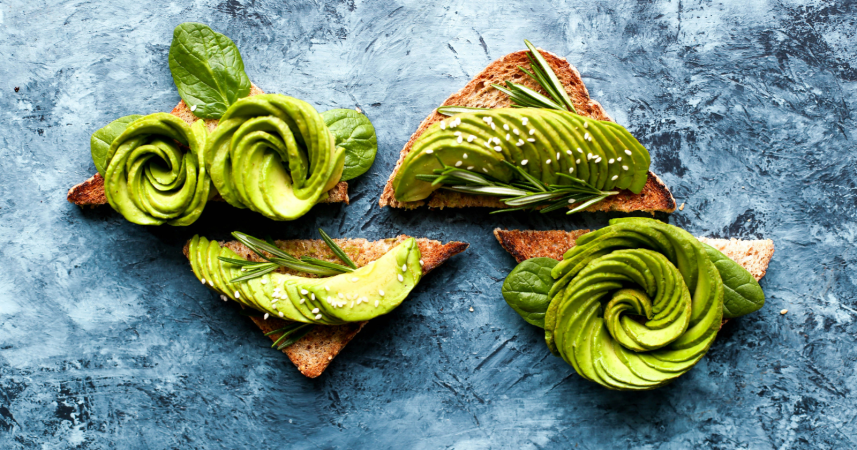
Avocados used to be a simple ingredient that people added to salads or made into guacamole. Then millennials came along and turned them into an entire lifestyle. Avocado toast became the poster child for millennial excess, with some cafes charging upwards of $15 for what amounts to mashed fruit on bread.
Boomers argue that we've driven up prices so much that avocados have become a luxury item rather than an everyday staple. They're not entirely wrong. According to market data, avocado consumption has skyrocketed over the past decade, with prices following suit.
The real irritation seems to be that we're willing to pay premium prices for something so simple. To boomers, it represents a kind of frivolous spending that they can't quite wrap their heads around.
2. Coffee
Remember when coffee was just coffee?
Boomers do. They remember walking into a diner and ordering a regular cup of joe for less than a dollar. No questions about milk alternatives, no complicated flavor combinations, just coffee.
Then millennials showed up with our oat milk lattes, cold brews, and nitro infusions. We turned coffee shops into offices and coffee into an experience rather than just a caffeine delivery system.
The complaint isn't really about the coffee itself. It's about the culture we've built around it. Spending $6 on a single cup of coffee seems absurd to a generation that grew up with 50-cent refills. To them, we've taken something straightforward and made it unnecessarily complicated and expensive.
3. Cereal
This one surprised me when I first heard it, but it makes sense.
Cereal was a breakfast staple for decades. Quick, easy, affordable. But millennials have largely abandoned the cereal aisle. Sales have been declining for years, and the reason often cited is that cereal requires cleanup. You have to wash a bowl and a spoon, which apparently is too much effort when you're rushing out the door.
Boomers find this reasoning hilarious and frustrating in equal measure. As noted by industry analysts, the cereal decline coincides with millennials' preference for on-the-go breakfast options like protein bars and smoothies.
To older generations, this represents a kind of laziness that's hard to fathom. They see it as rejecting a perfectly good food because we can't be bothered with minimal cleanup.
4. Napkins
Okay, this isn't technically a food, but it's food-related and worth mentioning.
Paper napkin sales have plummeted, and millennials are largely to blame. We use paper towels instead, or we just skip napkins altogether. Why? Partly because we eat more on the go, and partly because formal dining at home has become less common.
Boomers view this as the death of proper dining etiquette. To them, napkins represent civility and proper manners. Our generation's casual approach to mealtimes feels like we're throwing away traditions that mattered.
5. Canned tuna
Tuna sandwiches were once a lunchbox staple.
Not anymore. Millennial consumption of canned tuna has dropped significantly. The reasons are varied. Some of us are concerned about mercury levels. Others find the smell off-putting in shared office spaces. And many of us simply prefer fresher, more interesting lunch options.
I'll be honest, I can't remember the last time I bought a can of tuna. Growing up, my mom made tuna melts all the time, but somewhere along the way, it just stopped being appealing.
Boomers see this as rejecting a practical, affordable protein source in favor of pricier alternatives. They have a point. Canned tuna is budget-friendly and convenient, but we've decided those benefits don't outweigh our other concerns.
6. Beer
Hold on, millennials drink plenty of beer, right?
Yes, but we've changed what beer means. Major beer brands have seen declining sales because millennials prefer craft beers, sour beers, and experimental brews over traditional lagers. We want locally sourced ingredients and unique flavor profiles.
Boomers watched their go-to beer brands struggle while small breweries popped up on every corner. To them, beer was never supposed to be this complicated. It was a simple, refreshing drink after work, not something that required tasting notes and food pairings.
Research from beverage industry experts confirms that millennials are driving the craft beer movement while mainstream beer sales decline. We've essentially redefined what beer should be, leaving traditional beer drinkers feeling like their preferences have been sidelined.
7. Diamonds
Another non-food item, but stick with me.
While not edible, diamonds have traditionally been part of major life celebrations that involve food and gathering. Millennials have largely rejected diamond engagement rings and the whole "diamonds are forever" marketing campaign. We'd rather spend money on experiences, travel, or yes, food.
Boomers invested heavily in diamonds as symbols of commitment and success. Watching millennials dismiss them as overpriced rocks feels like a rejection of values they held dear. According to research, millennials are prioritizing experiences over material possessions, fundamentally shifting spending patterns.
This connects to food because it's about where we choose to put our money. We'd rather splurge on a nice dinner or a cooking class than a piece of jewelry.
8. Processed lunch meats
Oscar Mayer and other lunch meat brands have taken a hit from millennial consumers.
We're skeptical of processed foods in general, and lunch meats are a prime target. We've read the studies about nitrates and preservatives. We've seen documentaries about food processing. And we've decided that sliced turkey from the deli counter just isn't worth it.
Boomers find this selective health consciousness hypocritical. They'll point out that we have no problem eating fast food or ordering delivery, but suddenly we're too good for a bologna sandwich?
There's some truth to that criticism. Our relationship with food is complicated and sometimes contradictory. But the end result is that classic lunch meats have fallen out of favor with our generation.
9. Fabric softener
Yes, I know this isn't food either, but the pattern matters.
Millennials have abandoned fabric softener, and it ties into our broader approach to consumption. We're skeptical of products we see as unnecessary, especially ones with artificial fragrances and chemicals.
This same mindset has changed how we approach food. We read labels obsessively. We question ingredients. We're willing to pay more for organic or natural options while simultaneously claiming we can't afford houses.
Boomers see this as misplaced priorities. To them, we're spending money on the wrong things while complaining about financial struggles.
10. Casual dining chains
Remember Applebee's? TGI Friday's? Ruby Tuesday?
These chains built their empires on boomer and Gen X customers, but millennials just aren't interested. We'd rather try a new local restaurant we found on Instagram or order from a food truck than sit in a chain restaurant with laminated menus.
The result? Casual dining chains have been closing locations left and right. Buffalo Wild Wings, Chili's, and others have all struggled to adapt to millennial preferences.
I get why boomers are frustrated by this. These were reliable, family-friendly places where you knew exactly what you'd get. But we've traded consistency for novelty, and those chains have paid the price.
Final thoughts
Looking at this list, I can understand why boomers feel like millennials have upended the food world they knew.
We've taken affordable staples and made them expensive. We've abandoned convenient options for complicated alternatives. We've prioritized aesthetics and experiences over practicality.
But here's the thing. Every generation changes the marketplace. Boomers did it to their parents' generation, and Gen Z is already doing it to us. That's just how consumer culture evolves.
Are some of the criticisms fair? Absolutely. We can be contradictory in our spending habits and selective in our health consciousness.
But we're also more aware of where our food comes from, more interested in sustainability, and more willing to support small businesses. Those aren't bad things.
So yes, maybe we've ruined some foods in the eyes of older generations. Or maybe we've just changed them. Either way, the food landscape will keep evolving, and the next generation will probably think our preferences are just as ridiculous as boomers find avocado toast.
What’s Your Plant-Powered Archetype?
Ever wonder what your everyday habits say about your deeper purpose—and how they ripple out to impact the planet?
This 90-second quiz reveals the plant-powered role you’re here to play, and the tiny shift that makes it even more powerful.
12 fun questions. Instant results. Surprisingly accurate.