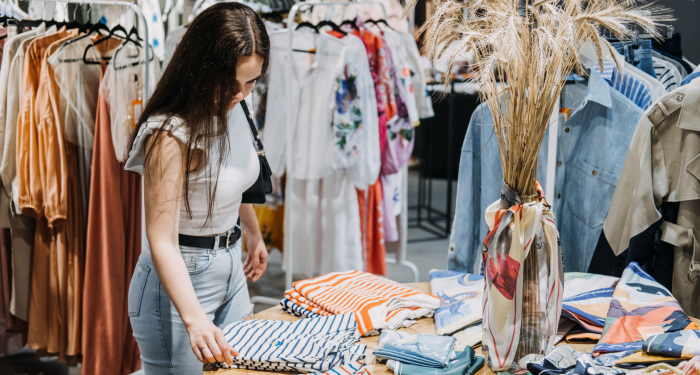
Sometimes the clothes we keep say more about our past struggles—and our resilience—than the latest fashion ever could.
Clothing has a way of holding onto memories. Sometimes it’s less about fabric and more about the story stitched inside it.
If you grew up lower-middle-class, chances are your closet still whispers pieces of your past every time you slide the hangers back.
Because let’s be real—when money was tight, a “going out” outfit wasn’t just something nice to wear. It was an investment. It was chosen carefully, worn proudly, and held onto for years longer than fashion magazines recommended.
I know because I’ve done it too.
That sequined top, the heels that made my feet ache, the blazer that didn’t quite fit right—none of it was about fashion perfection. It was about showing up. About signaling to myself and to the world that even if my budget was small, I could still create a version of myself that looked polished, confident, even glamorous for a night.
So let’s open that closet door together. Here are nine “going out” outfits that are dead giveaways you didn’t grow up with endless spending money—but you definitely knew how to make the most of what you had.
1. The department-store “fancy top”
You didn’t buy a whole outfit—you bought the top.
Something with sequins, satin trim, or an unusual cut that made you feel instantly dressed up.
Pair it with your same jeans or black pants, and voilà, you had a look ready for birthday dinners or girls’ nights.
Psychologists often note that clothing plays a symbolic role in self-esteem. As Dr. Karen Pine once said, “When we put on a piece of clothing, we cannot help but adopt some of the characteristics associated with it.” That one glittery top wasn’t just polyester—it was confidence in fabric form.
And you didn’t need a closet full of them. Just one was enough to change the way you walked into a room.
2. The “dress pants” that doubled for job interviews
Every lower-middle-class wardrobe had a pair of versatile black trousers. They weren’t couture, but they could flex between “I’m serious about this interview” and “I’m here for cocktails.”
If you’re smiling right now, it’s probably because you still have those pants somewhere. They were practical. They were dependable. And you probably kept them longer than you should have, even when the hem frayed or the fabric started to shine from too much wear.
In a way, those pants represented stability. They were part of the toolkit you leaned on when opportunity knocked, but they also let you blend in socially when a friend suggested a night out at a nicer place than you were used to.
3. The going-out jeans
Remember when you had “regular jeans” and then… the jeans?
The ones you only wore when plans involved a club, a bar, or at least a nice dinner. Maybe they were a darker wash. Maybe they had rhinestone pockets. They were your armor, your signal to yourself that tonight was special.
For me, mine had a tiny bit of stretch and bootcut legs. They looked fine with sneakers, but with heels? Suddenly I felt like I could belong in rooms that usually made me nervous.
Those jeans weren’t just denim. They were a reminder that one carefully chosen item could change the whole story you told about yourself.
4. The thrifted blazer you swore looked designer
Thrift stores were (and still are) treasure hunts. If you scored a fitted blazer that made you feel like you had a bit of class edge, it was a jackpot.
Throw it over literally anything—tank top, sundress, old tee—and suddenly, you looked like you had your life together.
It didn’t matter if the lining was worn or if one button was mismatched. What mattered was how it changed how you walked into a room.
And here’s the deeper part: for those of us who didn’t have endless access to polished wardrobes, this blazer wasn’t just clothing. It was proof that with a little resourcefulness, you could pull off sophistication.
5. The single “wedding/funeral” dress
Let’s be honest. Most of us didn’t have a rotation of event dresses.
We had the one. Usually black, sometimes navy. Bought with the justification that it could serve double duty: respectful at funerals, presentable at weddings, and adaptable with a cardigan or a necklace.
It wasn’t about abundance. It was about practicality—and squeezing every ounce of versatility from a single purchase.
And here’s the thing—when you wore that dress, you knew it was carrying emotional weight too. It became part of family photos, memories of loss, and moments of celebration. All stitched into one garment that lived far beyond its price tag.
6. The clearance-rack heels you couldn’t really walk in
Every closet had them. That one pair of heels bought half a size too small or with a heel just a little too high.
They were on sale. They were too pretty to leave behind. And even though your feet ached all night, you wore them proudly because they made you feel polished in a way sneakers never could.
Fashion psychologist Dr. Carolyn Mair has noted that clothing often holds aspirational meaning. Those heels weren’t just shoes. They were a symbol of where you wanted to be—even if your bank account didn’t match.
I can still picture mine: shiny, strappy, completely impractical. But when I slipped them on, I felt like I belonged in places that usually intimidated me. And sometimes, that feeling is worth the blisters.
7. The Forever 21 or H&M dress that survived a decade
We’ve all had that fast-fashion “party dress” bought in our twenties that somehow clung on through our thirties and maybe even into our forties.
It was stretchy. It was flattering. And it worked every time you needed to look “fun” without overthinking.
I wore mine to birthdays, weddings, even an office holiday party where I paired it with a borrowed necklace to make it feel “fancier.”
Sure, the stitching is questionable now, but it hangs in the back of your closet like a faithful old friend. And even though trends moved on, you know it will always deliver if you’re in a pinch.
8. The cardigan that made anything “presentable”
If you grew up lower-middle-class, you probably learned the power of layering.
That cardigan—or maybe a shrug or bolero—was your magic trick. Toss it over a sleeveless top and suddenly you looked more formal. Pull it tight, add a necklace, and it became a “look.”
It wasn’t trendy, but it gave you flexibility when buying multiple outfits wasn’t an option.
And in a deeper sense, that cardigan taught you adaptability. You didn’t need ten different outfits—you just needed one extra layer that could shift the whole mood.
9. The “nice” coat you didn’t actually wear daily
A winter coat reserved only for special occasions—does that sound familiar?
You had your everyday coat (usually practical and worn thin) and then you had your “good coat.” The one you only wore to family gatherings, church, or nights out downtown.
That coat was kept pristine because it was too valuable to risk in daily life. It was less about warmth and more about status—your one piece that hinted at elegance.
I still remember my “good coat” from my twenties. It wasn’t even real wool, but I treated it like treasure. It made me feel like a different version of myself—someone who wasn’t just scraping by but who could step into a room with quiet dignity.
Why this matters more than clothes
Here’s the thing: these outfits aren’t just fabric. They’re cultural markers of how you learned to navigate appearances when money wasn’t endless.
Growing up lower-middle-class often meant understanding how to stretch style. How to look polished without constant shopping sprees. How to wear confidence as your main accessory.
And honestly? That resourcefulness sticks with you.
I’ll admit, sometimes I still hesitate before donating old “going out” clothes. Not because I’ll wear them again, but because they represent something bigger: the effort it took to show up in the world, even when resources were limited.
That’s something worth remembering.
It’s easy to laugh at these outfits now. But if you look closer, each piece tells a story of resilience. Of making the most of what you had. Of learning that self-expression doesn’t require wealth—it just requires creativity.
Final thoughts
Maybe you’ve outgrown these outfits. Maybe they still hang quietly in your closet. Either way, they tell a story—about resilience, creativity, and how we learned to make “good enough” feel special.
And here’s the truth: that’s not something to be ashamed of. It’s a reminder of how far you’ve come.
So the next time you stumble across those sequined tops, party dresses, or “good coat,” smile. You didn’t just survive on a budget—you built a sense of identity from it.
And honestly? That’s a style that never goes out of fashion.
What’s Your Plant-Powered Archetype?
Ever wonder what your everyday habits say about your deeper purpose—and how they ripple out to impact the planet?
This 90-second quiz reveals the plant-powered role you’re here to play, and the tiny shift that makes it even more powerful.
12 fun questions. Instant results. Surprisingly accurate.