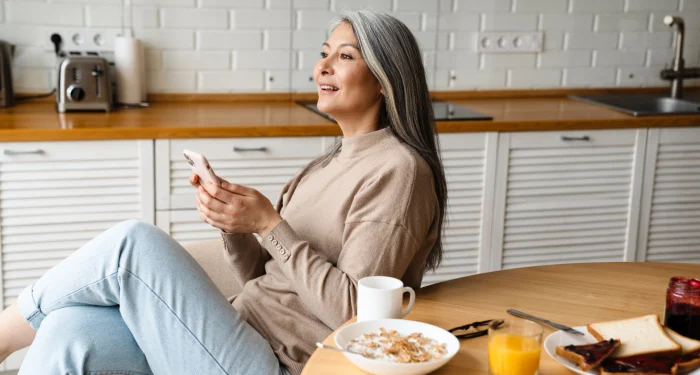
When you choose tones that support your natural glow, you’ll be surprised by how effortlessly vibrant you begin to look.

Add VegOut to your Google News feed. 
Have you ever walked past a mirror, caught your reflection, and thought, This color just isn’t doing me any favors?
I’ve been there.
And even though I’m not 65, I’ve spent enough hours chatting with stylists, interviewing color experts, and observing the quiet confidence of women who seem to age gracefully to know this: the wrong hair color can add years to your face faster than stress, sleep deprivation, and bad lighting combined.
When I talk about “sophisticated women,” I’m thinking of those who have honed the art of making intentional choices.
They’re not afraid of expressing themselves, but they also know that some shades simply work against them.
The goal isn’t to cling to youth.
It’s to honor your features, your skin tone, and the natural evolution of your coloring.
So let’s talk about the shades these women tend to skip because of how harsh, flat, or overpowering they can look.
1) Jet black
Let’s start with a big one.
I used to believe jet black hair was universally glamorous.
That was before I realized how intense it can look against mature skin.
This shade offers zero softness.
Instead, it creates a harsh frame around the face that emphasizes every shadow, line, and bit of texture.
One colorist once told me, “Black absorbs light. So if you want luminosity, it may not be your friend.”
And she was right.
On most women over 65, jet black quickly becomes severe rather than chic.
That doesn’t mean you can’t go dark. A soft espresso or warm chocolate can still offer depth without draining your complexion.
But pitch-black? Most women skip it for good reason.
2) Ashy platinum
You know that ultra-cool, silvery blonde that looks ethereal on a 22-year-old model?
It can be stunning, but it’s also incredibly tricky.
Ashy platinum tends to pull out every cool undertone in your skin, and not in the flattering way.
Instead of looking sleek, it can make the skin appear sallow or washed out.
A friend of mine went through a platinum phase in her early 60s. She loved how bold it felt, but every time she saw photos of herself, she’d say, “Why do I look tired even when I’m not?”
Eventually she transitioned to a creamier, softer blonde, and suddenly her face looked brighter and more lifted.
Cool tones can work, but extreme coolness often works against you.
3) Very warm strawberry blonde
On the opposite end of the spectrum, some shades are too warm.
Strawberry blonde with strong orange or copper undertones tends to emphasize redness in the skin.
Even women who don’t naturally have redness may find that the color brings out blotchiness or unevenness that wasn’t noticeable before.
Sophisticated women often prefer more balanced warm tones, like honey or soft copper.
These create radiance without crossing into the “orange cast” that can instantly age you.
The trick isn’t avoiding warmth. It’s avoiding overdone warmth.
4) One-dimensional box red
Let me be honest: red hair is beautiful. But solid, flat box red? That’s another story.
This shade looks dated because it offers zero nuance.
No dimension, no lowlights, no variation in tone.
Just a single, bold color that doesn’t move with the light.
I talk about this often in self-development: complexity is usually more interesting than simplicity, at least when it comes to how we present ourselves. Hair is no exception.
The red that sophisticated women love tends to have layers.
Think copper with golden threads. Auburn with depth. Muted rust with softness.
Flat red? They’ve learned to skip it.
5) Yellow-toned blonde
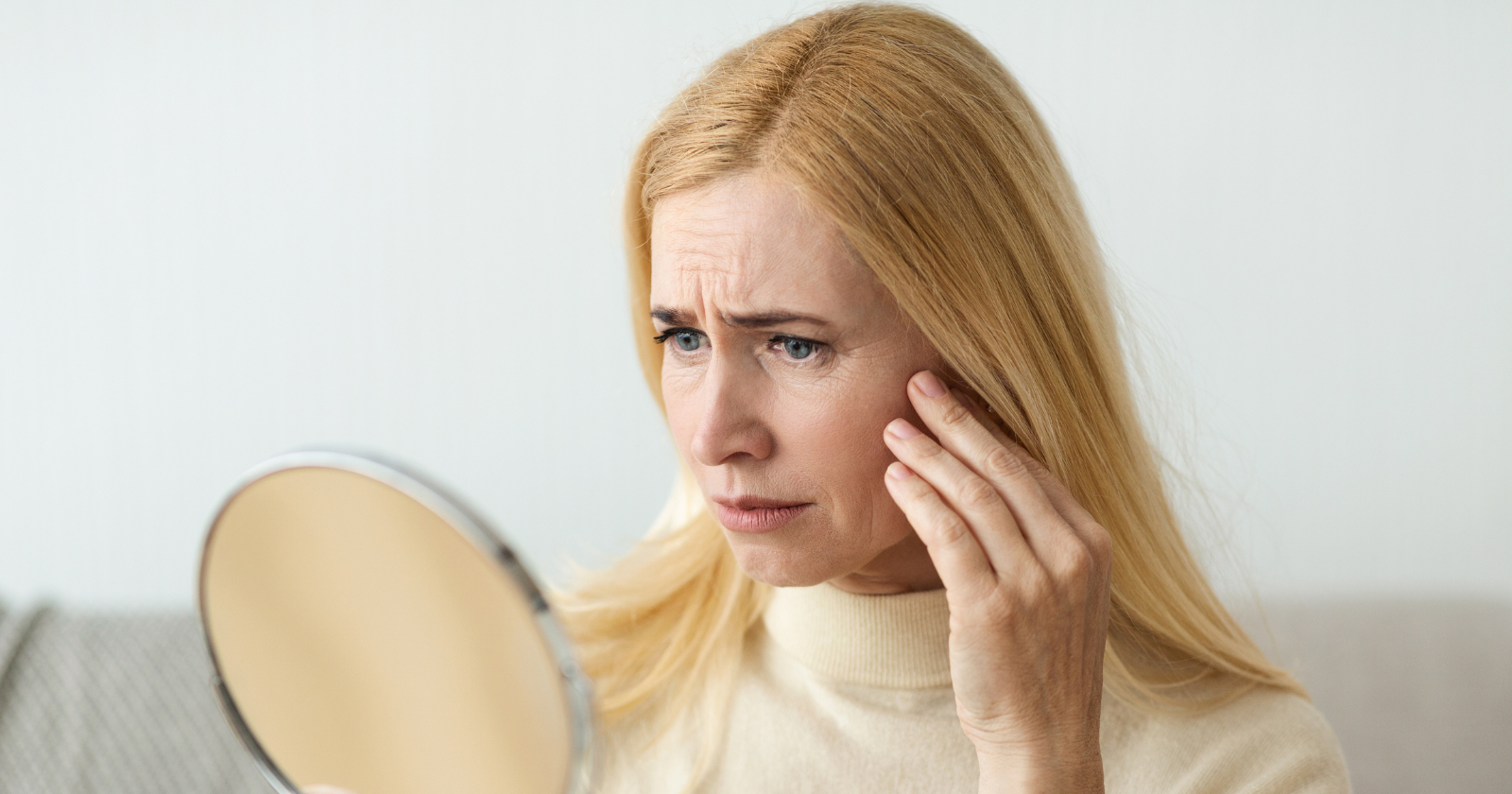
Have you ever seen blonde hair that leans too yellow? It almost glows in a way that doesn’t feel intentional.
This shade tends to look brassy under indoor lighting and even harsher under the sun.
And because yellow can highlight sallowness in the skin, it pulls attention to all the areas most women want to soften.
I remember running into an acquaintance at a farmers’ market one day. She had just lightened her hair at home and said, “I don’t know what went wrong, but something feels off.”
What felt off was the yellow.
She toned it to a buttery, balanced shade a week later, and it made all the difference.
Warmth is lovely.
Brassiness is not.
6) Harsh salt-and-pepper contrast
Salt-and-pepper hair can be incredibly elegant. But not all variations age well.
When the contrast between the dark strands and the silver strands is too stark, the eye goes directly to the lines and contours of the face.
It creates the same issue jet black does: sharpness without softness.
Women who want a more refined look usually blend the two tones, either with highlights or lowlights.
That way the hair reflects light in a more even, organic way.
The color itself isn’t the problem.
The abruptness is.
7) Pastel shades
I love creativity.
I love experimentation.
And I’ve absolutely had phases where I tried hair colors simply because they felt fun.
Pastels are charming, but on women over 65, they’re also famously difficult to pull off.
Why? Because they lack saturation, which creates a washed-out effect no matter your skin tone.
Lavender, baby pink, mint green… they’re whimsical, but they also tend to compete with your natural coloring instead of complementing it.
They highlight any dullness in the skin and make the hair look thin because the pigment is so faint.
Sophisticated women rarely go for pastel shades unless it’s part of a very intentional, bold personal style.
Most prefer richer colors that provide definition.
8) Cool gray without dimension
Gray hair can be absolutely stunning.
I’ve seen women own their natural silver in a way that made me rethink my long-held biases about aging.
But cool, flat gray without any variation? That’s a tough one.
If the shade is too monotone, it can create a cloudy effect that doesn’t bring brightness to the face.
Instead of highlighting natural beauty, it can mute everything.
One woman I interviewed for a piece years ago said something that stuck with me: “Gray is beautiful, but it needs movement.
Without it, I just looked tired.”
Highlights, lowlights, or even subtle glossing make gray feel intentional, not accidental.
And intention is usually what separates the youthful from the prematurely aged look.
9) Overly dark brown with no warmth
Dark brown can be sophisticated when done well. But dark brown with no warmth at all?
That’s a recipe for looking older than you are.
This flat shade tends to create heaviness around the jawline and eyes.
And because it absorbs light, it hides dimension.
Even women with naturally dark hair often adjust the tone slightly as they age to keep things soft and bright.
When I talk to colorists, they all say the same thing: the key is warmth.
Not red warmth, not brassy warmth, but just enough golden or caramel undertone to soften the edges.
When the brown is too dark and too cool, it becomes what I call an “energy sink.”
It makes everything look weighed down.
Final thoughts
Choosing the right hair color later in life isn’t about chasing youth. I
t’s about choosing shades that illuminate rather than overshadow.
As I’ve learned from so many women over the years, confidence is built through a series of small, thoughtful decisions.
Hair color is one of them.
And the more you choose tones that support your natural glow, the less you have to rely on anything else to look vibrant.
If you’re considering a change, ask yourself a few helpful questions:
- Does this color brighten my face or drain it?
- Does it soften my features or make them appear harsher?
- Do I feel more like myself when I imagine wearing it?
And remember: sophisticated women aren’t avoiding these colors out of fear.
They’re avoiding them because they know what works for them, and they aren’t afraid to honor that wisdom.
What’s Your Plant-Powered Archetype?
Ever wonder what your everyday habits say about your deeper purpose—and how they ripple out to impact the planet?
This 90-second quiz reveals the plant-powered role you’re here to play, and the tiny shift that makes it even more powerful.
12 fun questions. Instant results. Surprisingly accurate.