Small, thoughtful updates made consistently can shift how you feel in your clothes and how others perceive you.
I’ve spent years watching how people make judgments based on appearance, both consciously and unconsciously.
Part of that comes from my background in finance, where presentation quietly influenced credibility far more than anyone liked to admit.
And part of it comes from psychology, which shows us that humans are constantly reading signals, especially when it comes to confidence, self-awareness, and intention.
When it comes to style after 60, money is rarely the deciding factor.
What matters far more is how thoughtfully choices are made.
The women who look effortlessly polished usually aren’t chasing trends or spending excessively.
They’re making smart, grounded updates that quietly elevate everything else.
Here are eight that consistently make the biggest difference.
1) Prioritizing fit over fashion
Fit is the single most powerful upgrade available, and it’s also one of the most affordable.
Clothing that fits well immediately looks more expensive because it appears intentional.
Poor fit, on the other hand, suggests carelessness, even when the piece itself is high quality.
Bodies change with age, and fighting that reality is where many women get stuck.
Clothes that once worked may now pull in certain areas, hang awkwardly, or feel uncomfortable by midday.
A small tailoring adjustment can fix this instantly.
Shortened sleeves, adjusted hems, or a slightly taken-in waist can turn a basic piece into something that looks custom.
Psychologically, good fit communicates self-respect.
It tells the world you know yourself and you’re comfortable dressing the body you have now, not the one you had decades ago.
That confidence is what people often mistake for luxury.
2) Choosing quality fabrics in simple silhouettes
Fabric choice matters more than brand names.
Simple silhouettes in quality materials almost always read as refined.
Busy designs can overwhelm the eye and make affordable pieces look cheaper than they are.
Natural fabrics like cotton, linen, wool blends, and plant-based silk alternatives tend to drape better and move more gracefully.
They also age better, both in appearance and feel.
You don’t need an entire wardrobe made of premium materials. One or two well-chosen pieces can anchor multiple outfits.
A structured jacket, a soft knit top, or a fluid skirt in a quality fabric elevates everything it’s paired with.
When clothes feel good on your skin, posture improves naturally.
And posture alone can change how an outfit is perceived.
3) Letting neutrals do most of the work
Neutrals create visual calm.
They allow the eye to focus on shape, texture, and fit rather than bouncing between colors.
That calmness is often associated with sophistication and restraint.
A neutral palette also makes mixing and matching easier, which reduces the need to buy new pieces constantly.
Black, navy, cream, camel, gray, and soft browns work well across seasons and settings.
This approach isn’t about being boring. It’s about building a strong base.
Once the foundation is neutral, even modest accessories or shoes feel more intentional.
Consistency across outfits also matters.
When people see you showing up in a cohesive palette, they subconsciously read it as personal style rather than randomness.
4) Updating shoes before anything else
Shoes quietly reveal a lot.
They show wear quickly, and people notice even if they don’t realize they are.
Scuffed soles, worn heels, or dated shapes can instantly downgrade an otherwise polished outfit.
The solution isn’t buying dozens of pairs. It’s choosing a small rotation of well-maintained shoes that suit your lifestyle.
A clean leather flat, a low structured heel, and a comfortable but refined walking shoe cover most situations.
Neutral colors keep them versatile and timeless.
Well-kept shoes suggest attention to detail, and attention to detail is one of the strongest signals of an elevated appearance.
5) Simplifying accessories instead of stacking them
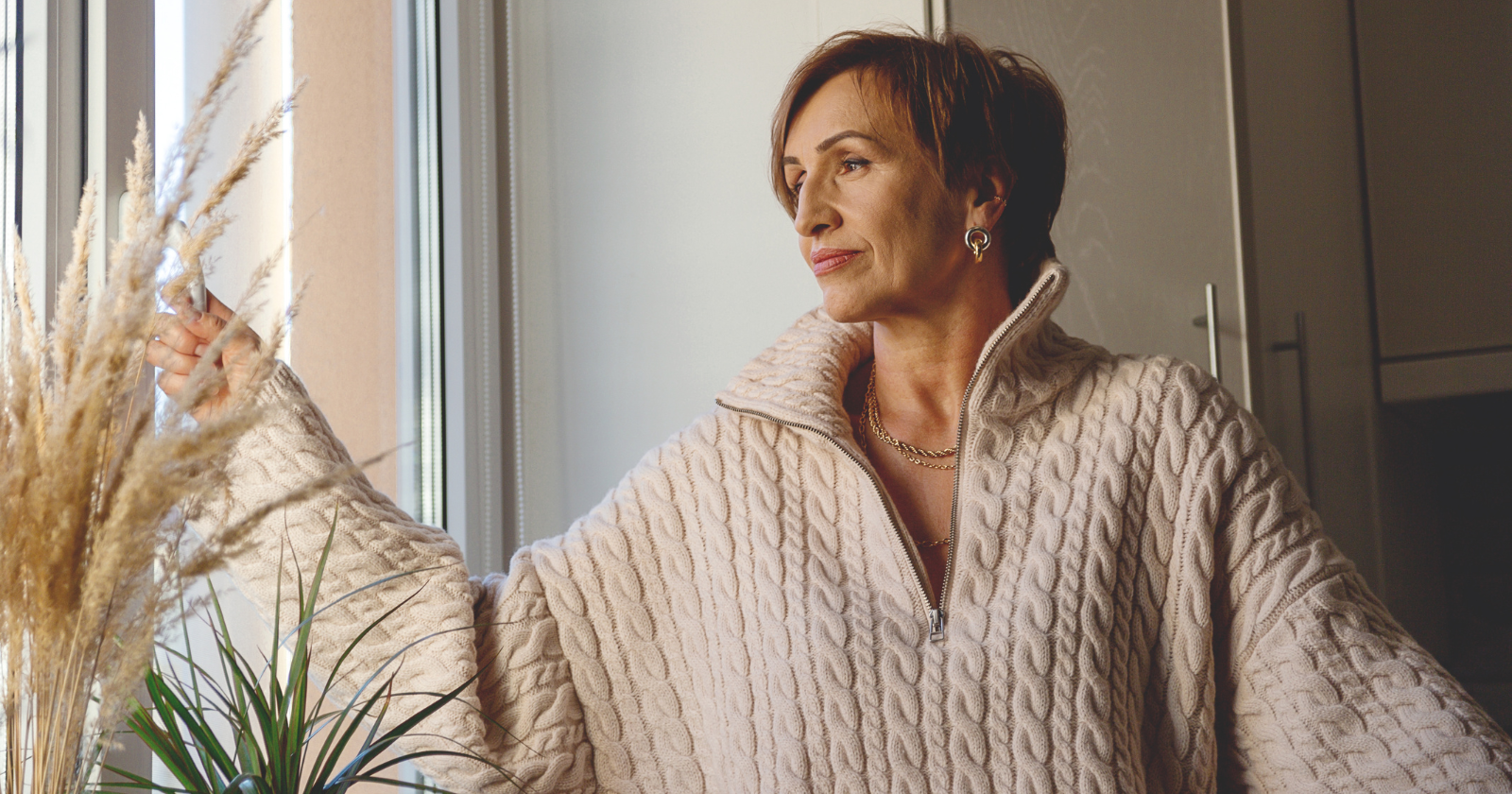
Accessories should support an outfit, not compete with it.
Layering too many items often creates visual noise.
A single, well-chosen accessory tends to look far more intentional.
This might be a structured bag, a classic watch, or understated jewelry.
Quality doesn’t have to mean expensive.
It means choosing pieces with clean lines and materials that hold up.
Psychologically, restraint signals confidence.
It suggests you’re comfortable letting one detail stand out instead of needing everything to draw attention. That ease is often mistaken for wealth.
6) Paying attention to grooming details
Grooming finishes the story that clothing starts.
It doesn’t require perfection or youthfulness.
It requires consistency.
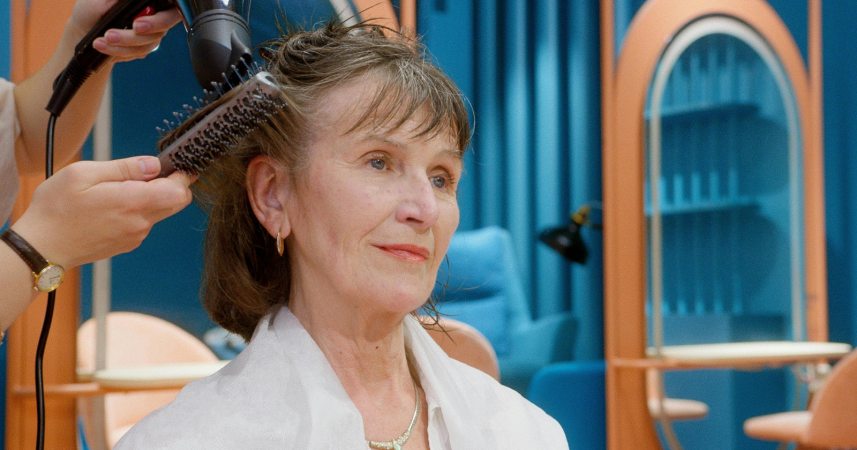
Hair that works with your natural texture, clean nails, and minimal makeup create a sense of care.
This isn’t about trends. It’s about clarity and maintenance.
Hydrated skin, neutral tones, and a simple routine often look more refined than heavy products or dramatic looks.
When grooming feels intentional, outfits immediately feel more complete.
People often can’t explain why someone looks polished. This is usually why.
7) Wearing structure close to the face
Structure near the face changes the entire balance of an outfit.
Collars, tailored jackets, scarves with body, or structured necklaces draw attention upward.
They frame the face and add definition. This is especially helpful when the rest of the outfit is softer or more relaxed.
Contrast creates interest without clutter.
It sharpens the overall look and adds presence.
Even casual outfits benefit from one structured element near the face.
This is one of the easiest upgrades available and often requires nothing new.
8) Editing the closet instead of adding to it
This update costs nothing and delivers more impact than shopping.
A cluttered closet makes it harder to see what actually works.
It encourages default outfits that feel safe but uninspired.
Editing removes friction. When every piece fits, feels good, and reflects who you are now, getting dressed becomes easier.
Outfits come together faster and look more cohesive.
This reduces decision fatigue and boosts confidence.
A smaller, intentional wardrobe almost always looks more refined than an overflowing one.
People often assume it cost more, when in reality it simply involved clearer choices.
Final thoughts
Looking polished over 60 isn’t about keeping up or proving anything.
It’s about refinement.
Small, thoughtful updates made consistently can shift how you feel in your clothes and how others perceive you.
Start with the change that feels most manageable.
Confidence builds quickly when intention replaces impulse.
And intention, more than money, is what truly looks expensive.
What’s Your Plant-Powered Archetype?
Ever wonder what your everyday habits say about your deeper purpose—and how they ripple out to impact the planet?
This 90-second quiz reveals the plant-powered role you’re here to play, and the tiny shift that makes it even more powerful.
12 fun questions. Instant results. Surprisingly accurate.