The goal isn’t to look younger. It’s to look present. And that, at any age, is the most effortless thing of all.
Some shortcuts are timeless. Others… age like milk.
In our 30s, we can get away with a lot of “casual but cool” tricks because the rest of our life still reads youthful—skin rebounds, silhouettes are forgiving, and no one expects polish 24/7. By our 50s, the same shortcuts can tip from effortless to “didn’t try.” That isn’t about clinging to outdated rules; it’s about intention. When your experience shows, your clothes should support it—not undercut it.
Here are seven fashion shortcuts that often stop working—and what to do instead.
1) Athleisure everywhere
Leggings, hoodies, and gym sneakers became a uniform for our 30s. It was practical and, frankly, cute. By our 50s, head-to-toe athleisure outside of workouts can read like we ran out for milk and never came back.
The fix isn’t abandoning comfort. It’s upgrading the components and mixing them with “real clothes.” Trade the shiny compression legging for a structured knit pant with a proper waistband. Swap the slouchy hoodie for a polished zip sweater or a half-zip in merino.
If you love sneakers (I do), choose a leather pair with a defined sole rather than foam-lugged runners. One elevated piece flips the message from “lazy Sunday” to “smart casual.”
Test it: stand in front of a mirror and cover your top half with a towel. Do the bottoms look like gym gear? Now reverse it. If both halves work in a café or a client lunch, you’re good. If not, upgrade the half that’s dragging the vibe down.
2) Distressed denim as a personality
Rips, heavy whiskering, blown-out knees—these details can read rebellious in our 30s. Past 50, they often look like we’re borrowing from our teenagers’ closets or trying to cosplay 2010.
Denim still loves you. It just wants cleaner lines. A straight or slim-straight dark wash with minimal distressing is a cheat code. The leg looks long, the fabric looks expensive, and everything else in your outfit rises with it. If you crave edge, channel it into silhouette: a cropped flare with a raw hem, or a barrel leg in rigid denim. Intentional shape beats synthetic rips every time.
Also pay attention to the back-view. Pocket placement matters more as we age. Mid-size, slightly higher pockets lift the eye and create a smoother line. That tiny tweak is the difference between “effortless” and “careless.”
3) Messy hair as a strategy
A messy bun or “I woke up like this” waves can look charming in your 30s. In your 50s, hair that clearly didn’t get attention can make the whole outfit look unfinished—even if the clothes are strong.
You don’t need a weekly blowout. You do need a deliberate shape. Ask your stylist for a cut that air-dries well and a product you can apply in 30 seconds. For me, that’s a layered bob with a pea-sized curl cream scrunched in before I grab my tote for the farmers’ market. If your hair is long, a low polished pony with a simple barrette beats a sagging topknot. If it’s short, a quick pass with a round brush at the crown adds lift that reads “awake.”
Think of hair like shoes: it can ruin an outfit or make it. You don’t have to be fancy—you just have to be finished.
4) Sneakers with everything, literally
I’m a runner and a walker; I live in sneakers. In our 30s, pairing chunky trainers with a slip dress felt fresh. In our 50s, the same pairing can look more like default than decision—especially if the sneakers are beat-up or ultra-technical.
Keep the comfort, refine the silhouette. Leather court sneakers, sleek runners with minimal branding, or low-profile retro styles all play nicely with trousers, dresses, and denim. Keep one pair purely for workouts (they should look like performance gear), and one pair for life (they should look clean and intentional). If you love a dress-and-sneaker combo, anchor it: choose a structured midi, add a belt, and grab a real handbag instead of a nylon tote. The balance says “I chose this,” not “I gave up.”
Shoes tell a story about effort without you saying a word. Make yours say, “I care about comfort and I edited the details.”
5) Loud logos as shorthand for style
In your 30s, a logo belt or monogram sweater might have felt like a fun wink. In your 50s, head-to-toe branding can read as status-chasing, which ironically feels insecure.
I’m not anti-logo. I am pro-substance. Invest in things that don’t need to shout: great fabric, precise cut, and quiet hardware. If you love a signature piece, wear one—not six—and pair it with understated companions. For example, a monogram scarf with a camel coat, denim, and Chelsea boots looks chic. A monogram scarf with a logo-belt, logo-bag, and logo-tee looks like a billboard.
People with genuine style (and, often, genuine money) tend to value fit and finish over flex. Let the stitching, the drape, and the way the garment moves be the message.
6) Oversized everything
The oversized trend took off when many of us were juggling careers, kids, and life. Big sweaters, relaxed coats, boyfriend jeans—less constriction, less fuss. The trap is going big on every piece. In our 50s, that can swallow us and look sloppy.
Proportions are the secret sauce. If your top is oversized, keep the bottom neat (think straight or tapered pants). If your pants are wide, choose a fitted or tucked top. Structure near the face—like a sharp collar, a defined shoulder, or a V-neck—keeps the look intentional. A tailor is your silent partner. Shorten sleeves, nip a waist, hem a trouser, and suddenly the same pieces feel custom.
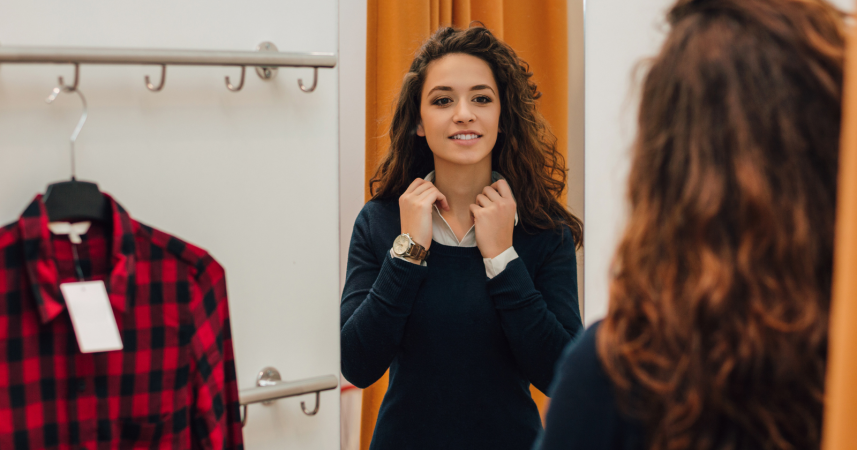
Ask yourself: where does the eye land? If the answer is “nowhere,” add a point of focus—belt, cuff, collar pop, watch, or even a red lip. Intention lives in small choices.
7) Fast fixes instead of real fit
In our 30s, we could throw on anything “close enough” and rely on youth to carry it. By our 50s, fit does the heavy lifting. Cheap fabric and unaltered hems make everything look lazier than it is.
Here’s the simple upgrade plan:
- Choose better fabric. Natural or technical blends with weight and recovery drape better and last longer. A well-made T-shirt in cotton-modal sits beautifully at the shoulder and doesn’t cling.
- Tailor as default. Take in the waist of a blazer, raise a hem to the most flattering point on your leg, or adjust sleeve length so your watch peeks out. The cost-per-wear plummets because you’ll actually reach for the piece.
- Edit old habits. If you’ve been buying the same silhouette for a decade, try on three alternatives the next time you shop. Our bodies and lives change; our uniforms can, too.
If you only remember one thing from this entire list, let it be this: fit is kindness to yourself. It communicates presence.
A few guiding principles that never age
- Polish lives in edges. Clean hemlines, visible necklines, neat cuffs, and intentional footwear do more than trends ever will.
- Color strategy beats color fear. If brights feel risky now, ground them with neutrals. If black feels harsh, try navy, charcoal, olive, or chocolate.
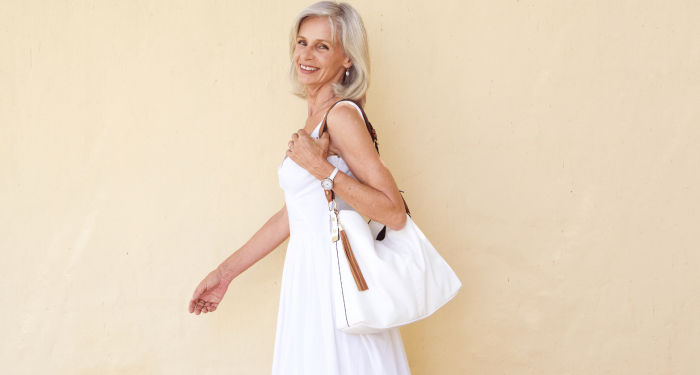
- Accessories do the last 10%. A real bag (not the tote you got with a subscription), a watch, simple earrings—enough to signal you finished the sentence.
- Grooming is the quietest luxury. Healthy skin, tidy nails, and a haircut that suits your life are visible even in jeans and a tee.
- Buy less, buy better. I know, everyone says this. But it works. One great blazer will outshine five “fine” ones.
What’s underneath the clothes
As a former analyst, I can’t resist the psychology. Many shortcuts that age poorly have the same root: avoidance. We throw on athleisure to avoid decision fatigue. We cling to distressed denim to avoid evolving. We let hair slide because we’re stretched thin. No shame—just data. When our choices come from ease instead of avoidance, the same outfit reads completely differently.
I like to ask myself three quick questions before I leave the house:
- What’s the message I want to send today?
- Is there one small change that would sharpen it?
- Will I be comfortable enough to forget my outfit and focus on my life?
If I can answer yes to that last one, I’m set.
Try this quick closet audit
- Pull three outfits you wore in your 30s that you still default to.
- For each, swap one piece for a more structured, grown-up version (hoodie → cardigan jacket, distressed jeans → clean straight, chunky running shoe → leather sneaker).
- Take a photo before and after.
- Notice how your posture changes in the “after.” That feeling is the look you’re going for.
The bottom line
Style doesn’t expire at 50. Shortcuts do—at least the ones we leaned on without thinking.
You don’t need a whole new wardrobe. You need intention in the places shortcuts used to hide. Clean denim. A real haircut. Sneakers that look like shoes. Proportions that love your body today. And pieces that whisper quality without shouting for attention.
The goal isn’t to look younger. It’s to look present. And that, at any age, is the most effortless thing of all.
If You Were a Healing Herb, Which Would You Be?
Each herb holds a unique kind of magic — soothing, awakening, grounding, or clarifying.
This 9-question quiz reveals the healing plant that mirrors your energy right now and what it says about your natural rhythm.
✨ Instant results. Deeply insightful.