There is a quiet beauty revolution happening right under our noses and most people have no idea they are part of it.

Add VegOut to your Google News feed. 
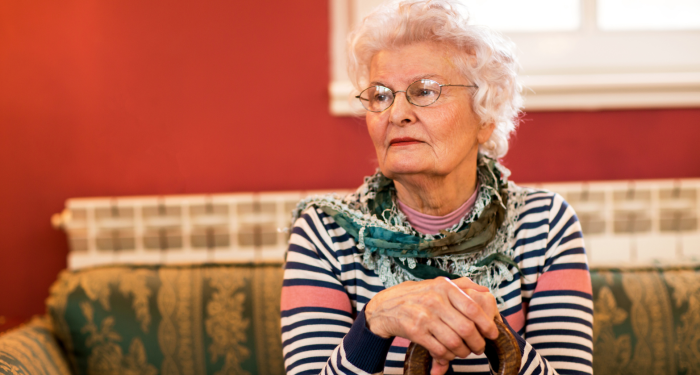
If you have ever walked through a department store with a boomer in your family, you have probably heard something like, “Oh, that brand? I have used it for years.”
And honestly, there is something comforting about that kind of loyalty. Many of these brands have been around longer than most of us have been alive. They sat on vanities, in medicine cabinets, and on bathroom shelves for generations. For a long time, they were considered the gold standard.
But beauty culture is shifting, quickly and dramatically.
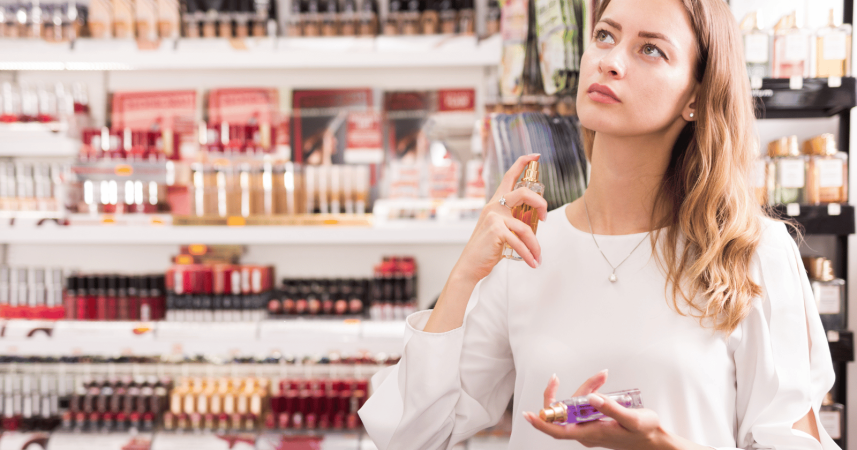
Gen Z is one of the most values driven generations we have seen. They are reading ingredient lists. They are digging into supply chains. They care about climate impact, sustainability, inclusivity, and most of all whether a brand still tests on animals.
And when a company refuses to evolve, younger consumers do not hesitate to move on.
Today I am breaking down eight beauty brands that boomers continued trusting for decades, but Gen Z has largely ditched for being outdated, animal tested, or simply out of touch with what today’s buyers expect.
Let us get into it.
1) Estée Lauder
Estée Lauder is practically a time capsule. For boomers, the brand symbolized elegance. It was the kind of beauty you saved up for. I still remember standing at a department store counter as a teenager, watching my mother carefully pick out an Estée Lauder lipstick like it was a rare jewel.
But Gen Z is not swayed by legacy.
They want ethics, not nostalgia. And Estée Lauder’s decision to sell in regions with mandatory animal testing has not sat well with younger consumers who expect cruelty free formulations across the board.
Another issue is the branding. A lot of their aesthetic still reflects a glamorous, old Hollywood version of beauty. Gen Z gravitates toward stripped down packaging, ingredient transparency, and values first messaging. A gold compact and a strong perfume are not enough anymore.
Estée Lauder has not faded into obscurity, but among younger people, it is rarely part of the conversation anymore.
2) Clinique
For boomers, Clinique was the dermatologist approved brand. The iconic three step skincare routine was practically a starter kit for anyone who wanted “serious” skincare.
But routines have evolved, and so has the science.
Gen Z cares about barrier health, microbiome balance, fragrance free formulas, and clean ingredients. They are also quick to call out anything that feels drying or outdated. Clinique’s toners still contain denatured alcohol, which many skincare savvy young consumers now avoid.
And then there is the ethical piece. Like Estée Lauder, Clinique falls under the “no animal testing except when required by law” umbrella. That loophole is enough to send Gen Z looking for alternatives.
Many young people grew up sneaking their mom’s yellow moisturizer. But once they learned more about ingredients and ethics, the attachment dissolved.
3) L'Oréal
L'Oréal is one of the biggest and most recognizable beauty brands on the planet. Boomers saw it as dependable, trustworthy, and grounded in decades of research. They dominated everything from haircare to anti aging creams.
But the brand’s messaging has not landed as well with Gen Z.
L'Oréal still sells in countries that require animal testing. For younger consumers who want cruelty free clarity, this is a major deal breaker. But there is also a cultural factor. Gen Z does not respond to “anti aging” marketing the way previous generations did.
They are not trying to fight time. They are trying to keep their skin healthy.
They want SPF, hydration, gentle exfoliation, and science backed ingredients. They also want sustainability, refillable packaging, eco friendly materials, and honest transparency. L'Oréal’s global distribution makes that kind of overhaul slow.
And in the beauty world, slow is dangerous.
4) Olay
Boomers adored Olay. The classic white jar was a staple in so many households. My grandmother would apply it nightly before sipping her chamomile tea and reminding me to moisturize “so you will stay young forever.”
But Olay has not transitioned smoothly into the values driven beauty landscape.
Gen Z sees the brand as too traditional, too focused on age reversal, and too disconnected from sustainability. While Olay has tried to modernize, their continued sales in animal testing required markets have pushed many young consumers away.
Packaging is another factor. Gen Z loves minimalist, recyclable, refillable options. Olay’s colorful plastic containers do not feel aligned with eco conscious beauty.
The products are not bad. They are simply not resonating with a generation that expects better.
5) Pantene
Pantene was once a haircare giant. Boomers and Gen X loved the promise of smooth, shiny, voluminous hair. But younger consumers have become far more educated about hair health and ingredient quality.
Pantene’s formulas often rely on silicones, sulfates, and heavy waxes. Once TikTok hair experts started explaining buildup and long term damage, many Gen Z shoppers quickly pivoted.
Gen Z wants sulfate free shampoos, lightweight conditioning ingredients, biodegradable formulas, cruelty free policies, and sustainable packaging.
Pantene meets only a few of those expectations.
There is also a cultural shift. Younger consumers care deeply about textured hair education, inclusive routines, and personalized haircare. Pantene’s formulas have long leaned toward a one size fits all model that no longer fits modern consumers.
6) Avon
Avon is a perfect example of how a brand can be beloved yet lose relevance.
Boomers remember Avon as a community. It was not just about makeup. It was about connection, friendship, and supporting women who sold the products. Avon catalogs were practically a tradition.
But Gen Z does not connect with that format.
Door to door sales feel outdated. Printed catalogs feel unnecessary. And many of the formulas have not been updated to match the clean, cruelty free, science based standards younger shoppers want.
The brand’s continued links to animal testing have also created distance between Avon and Gen Z.
The nostalgia is warm, but it is not enough to win over younger buyers.
7) Revlon
Revlon was once a beauty empire. Their lipstick and nail polish lines were iconic. Boomers trusted Revlon the same way many younger consumers now trust brands like e.l.f. or Rare Beauty.
But over time, Revlon struggled to evolve.
They were late to update shade ranges. They did not lean hard into cruelty free commitments. Their branding remained traditional while the industry moved toward minimalism and inclusivity.
Then came financial struggles. When a brand stops innovating, Gen Z notices immediately. Younger consumers want energy, progress, and purpose driven marketing.
Among younger beauty lovers, Revlon often feels like a brand that belongs to the past.
8) Maybelline
Maybelline used to be the entry level makeup brand for almost every generation. Boomers trusted it. Millennials loved it. Even Gen Z grew up with that iconic pink and green Great Lash mascara.
But younger shoppers are incredibly strict about cruelty free standards, and Maybelline’s global distribution means the brand participates directly or indirectly in animal testing.
That alone is enough to send Gen Z elsewhere.
There is also the branding issue. Modern beauty is expressive, bold, gender inclusive, and fun. Gen Z does not connect with traditional advertising or outdated beauty narratives.
Maybelline is still popular. It is simply not influential with younger consumers.
Final thoughts
Every generation develops emotional attachments to certain beauty brands. For boomers, these eight companies were part of daily life. They represented trust, familiarity, and reliability.
But values evolve.
Gen Z is not rejecting these brands out of disrespect. They are raising the standard. They want cruelty free testing, sustainable packaging, clean ingredients, and companies that align with their moral compass.
They want transparency. They want accountability. And they want beauty that feels good for their skin and the planet.
Their higher expectations are reshaping the future of the beauty industry. Some of these legacy brands may adapt. Some may not. But Gen Z will continue supporting brands that reflect who they are and what they believe in.