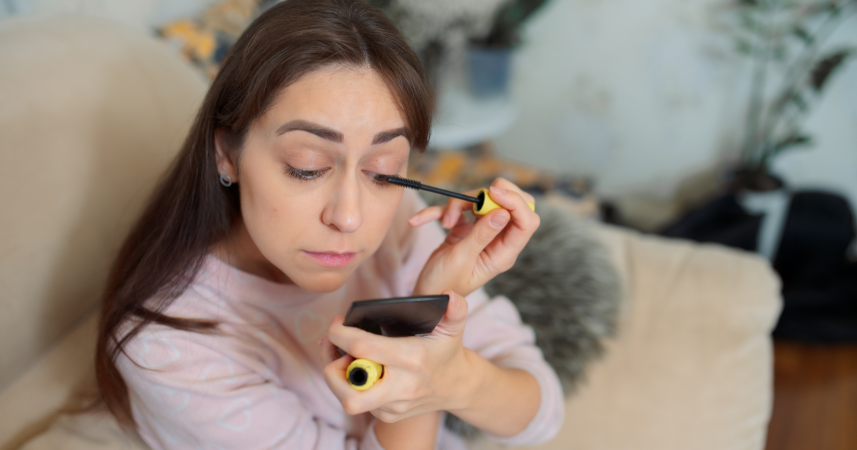
That minimalist packaging and botanical imagery might look plant-based, but the ingredient list often tells a different story.

Add VegOut to your Google News feed. 
A few years ago, I stood in the skincare aisle of a high-end department store, holding a moisturizer wrapped in sage green packaging with a leaf motif.
The words "clean," "natural," and "conscious" were scattered across the box like confetti. I felt good about it. Then I flipped it over and found beeswax, lanolin, and carmine tucked between the botanical extracts.
That moment taught me something important: the clean beauty movement and veganism are not the same thing, even though they often share shelf space and visual language.
As someone who came to veganism through research and reflection, I've learned to look past the aesthetic and into the actual formulations. Here's what I've discovered about which brands walk the walk and which ones are simply dressed for the part.
Understanding the difference between clean and vegan
"Clean beauty" typically refers to products free from certain synthetic chemicals, parabens, sulfates, and other ingredients deemed potentially harmful. It's about what's left out.
Vegan beauty, on the other hand, is about the source of what's included. A product can be completely clean by industry standards while still containing animal-derived ingredients like honey, silk proteins, collagen, or keratin.
The confusion isn't accidental. Many clean beauty brands lean heavily into earthy, plant-forward branding that suggests a vegan ethos without actually committing to one.
According to the FDA's guidelines on cosmetic labeling, terms like "natural" and "clean" have no legal definitions, which gives brands significant creative freedom in their marketing.
So how do you tell the difference? You read labels, ask questions, and sometimes dig deeper than the brand wants you to.
Brands that are genuinely vegan through and through
Some companies have built their entire identity around vegan formulations, and their commitment shows in every product line. Pacifica is one I return to often.
Every single product is 100% vegan and cruelty-free, and they've been certified by both Leaping Bunny and PETA. Their transparency about ingredients makes shopping straightforward.
Milk Makeup is another standout. They reformulated their entire line to become fully vegan in 2021, which required real investment and intention.
Cover FX has been vegan from the start, focusing on inclusive shade ranges alongside their animal-free commitment. Herbivore Botanicals, with their beautiful glass packaging, is also entirely vegan and uses primarily natural ingredients.
What these brands share is consistency. You don't have to check each individual product because the company-wide policy does the work for you.
The ones borrowing the aesthetic without the ethics
This is where things get tricky. Several beloved clean beauty brands use imagery and language that feels vegan but isn't.
Tata Harper, for instance, creates gorgeous products with farm-to-face messaging, but many formulas contain beeswax and honey. Drunk Elephant, despite its playful branding and clean ingredient philosophy, uses animal-derived ingredients in some products.
Farmacy leans into botanical imagery and sustainability messaging, yet their hero product, the Honey Potion mask, is literally named after an animal byproduct. Kora Organics, founded by Miranda Kerr, uses honey and bee venom in several formulations despite the organic, earth-conscious positioning.
These aren't bad companies. They're simply not vegan companies, even if their marketing might make you assume otherwise. The disconnect between visual identity and actual ingredient sourcing is worth noticing.
How to verify before you buy
I've developed a quick mental checklist that saves me from impulse purchases I'd later regret. First, I look for third-party certifications. Leaping Bunny and PETA's Beauty Without Bunnies program both verify cruelty-free status, and PETA specifically distinguishes between cruelty-free and vegan products.
Second, I scan ingredient lists for common animal-derived components: beeswax (cera alba), lanolin, carmine, collagen, keratin, silk amino acids, and squalane (unless specified as plant-derived). Third, I check the brand's FAQ or About page.
Truly vegan brands tend to state it clearly because they know their customers are looking for that information.
When in doubt, I email customer service directly. The response, or lack thereof, often tells you everything you need to know about a company's actual commitment to transparency.
Why this distinction matters
You might wonder if this level of scrutiny is necessary. For me, it comes down to alignment. When I left my finance career, I made a conscious choice to live in ways that reflected my values rather than just my convenience. Veganism was part of that shift.
Every purchase is a small vote for the kind of world we want to live in. When brands use vegan-adjacent aesthetics without vegan formulations, they're capitalizing on the ethical appeal without doing the ethical work.
That matters, not because we need to be perfect, but because we deserve honesty from the companies asking for our money and trust.
Final thoughts
The clean beauty movement has done real good in pushing the industry toward safer, more transparent formulations. But clean and vegan are different conversations, and conflating them serves brands more than it serves consumers.
Next time you're drawn to a product with botanical illustrations and earthy tones, pause and flip it over. What story do the ingredients tell? Does it match the story on the front of the package?
The brands that genuinely align their values with their formulations are out there, and they deserve our attention and our dollars. The ones just playing dress-up? They deserve our questions.
What’s Your Plant-Powered Archetype?
Ever wonder what your everyday habits say about your deeper purpose—and how they ripple out to impact the planet?
This 90-second quiz reveals the plant-powered role you’re here to play, and the tiny shift that makes it even more powerful.
12 fun questions. Instant results. Surprisingly accurate.