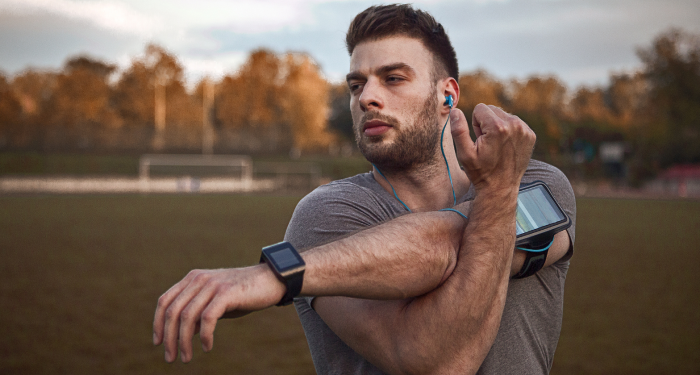
Certain pieces that still fly off store shelves have become increasingly rare in one specific demographic's closets.

Add VegOut to your Google News feed. 
Fast fashion promised trendy clothes at rock-bottom prices, and for a while, it seemed like everyone was on board. But something interesting has been happening quietly in the background.
Certain shoppers have started stepping away from specific fast fashion staples. Walk into any fast fashion store and you'll still see these items flying off the shelves. Yet in other circles, they've become noticeably absent from closets and shopping carts.
After spending nearly two decades in finance, I saw firsthand how people with money actually spend it. The wealthier someone became, the less interested they seemed in looking like they were trying.
This shift wasn't about snobbery. It was about values, quality, and a growing awareness of what our clothing choices actually mean.
I wore plenty of these items myself during my corporate years. But there's been a quiet exodus from certain pieces among the upper middle class, and it's worth examining why.
1) Synthetic activewear from major chains
Remember when everyone rushed to buy those $15 leggings from big box stores? I certainly do. I owned at least a dozen pairs during my early running days.
The shift here has been massive. People with disposable income have largely moved toward brands that use recycled materials, organic cotton, or other sustainable fabrics. And it's not just about the environment, though that's a big part of it.
Here's what I discovered after years of trail running: cheap synthetic fabrics don't breathe well, they hold onto odors, and they fall apart quickly. So you end up buying more, which actually costs you more in the long run. The upper middle class figured this out and quietly stopped participating in that cycle.
When I transitioned to veganism at 35, I started paying more attention to what everything was made from. That's when I realized my drawer full of polyester workout clothes was essentially plastic. Once you see it that way, it's hard to unsee.
2) Logo-covered everything
Walk through any shopping district and you'll spot them immediately: bags, shirts, and accessories plastered with brand names. It's like wearing a billboard.
The interesting thing is, the people who can actually afford luxury goods tend to avoid obvious logos now.
I saw this shift happen in real time at my old firm. The junior analysts wore logo-heavy pieces, trying to signal success. The actual executives? You'd never know what brands they were wearing unless you looked at the label.
This isn't about being subtle for subtlety's sake. It's about not wanting to be a walking advertisement. Why pay money to market someone else's brand? That realization seems to hit people right around the time they start earning enough that they don't need to prove anything.
3) Trend-of-the-moment pieces
Fast fashion thrives on making you feel like you need whatever's trending right now. Remember when everyone had to have cold-shoulder tops? Or those specific style of distressed jeans?
I'll admit, I fell for this back then. I'd see something everywhere on social media, buy it immediately, wear it three times, and then watch it sit in my closet as the trend died. Looking back, I now realize what a waste that was.
The upper middle class has largely moved toward capsule wardrobes and timeless pieces. Not because they can't afford trendy items, but because they've realized that chasing trends is exhausting and ultimately unfulfilling.
It's the same lesson I learned about chasing promotions and raises: there's always another level, another trend, another thing you supposedly need.
4) Cheap polyester blouses and dress shirts
There's a specific type of work blouse you can find at any fast fashion store. You know the one: thin, almost see-through polyester, needs a camisole underneath, wrinkles if you look at it wrong.
I used to buy these constantly. They were affordable, came in every color, and seemed practical for my corporate wardrobe. But they pilled after a few washes, the seams came apart, and honestly, they just felt cheap against my skin.
The upper class leans toward natural fibers like cotton, linen, and silk. Yes, they cost more upfront. But when you're wearing something that breathes, lasts for years, and actually makes you feel good, the cost per wear ends up being lower.
This is the kind of math that appeals to people with financial literacy, and it's one reason I'm glad I can apply my analytical background to understanding these patterns.
5) Fast fashion denim
Jeans from fast fashion retailers used to be everywhere in professional casual settings. Super cheap, trendy washes, and replaced every season.
But here's what happened: people started learning about the environmental cost of denim production, the labor conditions, and the quality difference between a $30 pair and a $150 pair. That last pair might last five years or more with proper care, while the cheap ones start falling apart in months.
6) Synthetic leather accessories
This one's personal for me. When I became vegan, I had to completely rethink my relationship with leather. But I also became aware of how plastic-based "vegan leather" from fast fashion brands is just as problematic environmentally.
The upper middle class has moved in two directions: either they buy real leather and keep it for decades, or they opt for truly sustainable alternatives made from innovative materials like mushroom leather or recycled products.
The cheap pleather bag that flakes apart in a year? That's fallen out of favor.
What I've learned through this journey is that ethical consumption is complicated. There's no perfect answer. But there is a difference between thoughtful choices and mindless consumption.
7) Costume jewelry that looks obviously plastic
Another item I used to love was fast fashion jewelry. So cheap, so trendy, so easy to match with different outfits. Until I realized it was turning my skin green, breaking after a few wears, and honestly, looking kind of cheap.
Now I prefer minimal, quality pieces or no jewelry at all. Small gold hoops that last forever. A simple watch. Maybe one meaningful necklace.
This connects to something bigger I noticed during my burnout at 36: we accumulate stuff thinking it will make us happy or complete our image. But it just becomes clutter. Physical and mental. Simplifying my jewelry collection was part of simplifying my whole life.
8) Ultra-fast trend items that last one season
These are those pieces that seem designed to fall apart: the crop top that loses shape after one wash, the trendy pants with cheap hardware that breaks, the "going out" dress that can maybe survive one night.
People with financial security have largely stopped buying clothes with built-in obsolescence. Not because they're trying to be virtuous, but because once you can afford quality, you realize how frustrating it is to constantly replace things.
I learned this lesson across all areas of my life, not just fashion. During my years working 70-hour weeks in finance, I was constantly replacing cheap things because I didn't have time to research better options. Now I have less money but more time, and I've discovered that buying well once beats buying poorly repeatedly.
Final thoughts
Look, I'm not here to tell you what to wear or shame your shopping choices. I've been on both sides of this divide. I've been the person with a closet full of fast fashion, and I've been the person who carefully considers every purchase.
What I've observed is that the shift away from these items isn't really about fashion at all. It's about a broader change in values that often accompanies financial security: a move toward sustainability, quality over quantity, and not needing external validation through consumption.
The privilege of making these choices isn't lost on me. I had to confront my own privilege in my late thirties, and part of that meant recognizing that sustainable, quality clothing is more accessible to some than others.
But I also believe in the power of awareness. Understanding these shifts helps us see how class operates in subtle ways, how consumption patterns reflect deeper values, and how we might want to examine our own relationship with the things we buy.
Your wardrobe doesn't define your worth. But it does tell a story about what you value. And sometimes, taking a hard look at that story can reveal more about ourselves than we expected.
If You Were a Healing Herb, Which Would You Be?
Each herb holds a unique kind of magic — soothing, awakening, grounding, or clarifying.
This 9-question quiz reveals the healing plant that mirrors your energy right now and what it says about your natural rhythm.
✨ Instant results. Deeply insightful.

Avery White
Formerly a financial analyst, Avery translates complex research into clear, informative narratives. Her evidence-based approach provides readers with reliable insights, presented with clarity and warmth. Outside of work, Avery enjoys trail running, gardening, and volunteering at local farmers’ markets.
More Articles by Avery