
Fall style isn’t about chasing every drop. It’s about choosing a few reliable players, then letting them do their job so you can do yours—live your life, feel comfortable, and look like you meant it.

Add VegOut to your Google News feed. 
Some trends burn bright for a season and vanish by winter break.
Others earn a permanent spot in your closet because they’re practical, flattering, and easy to remix.
As the temperatures dip, here are nine fall pieces and styling moves that never really fall out of favor—and why they still feel fresh in 2025.
1) Tailored outerwear
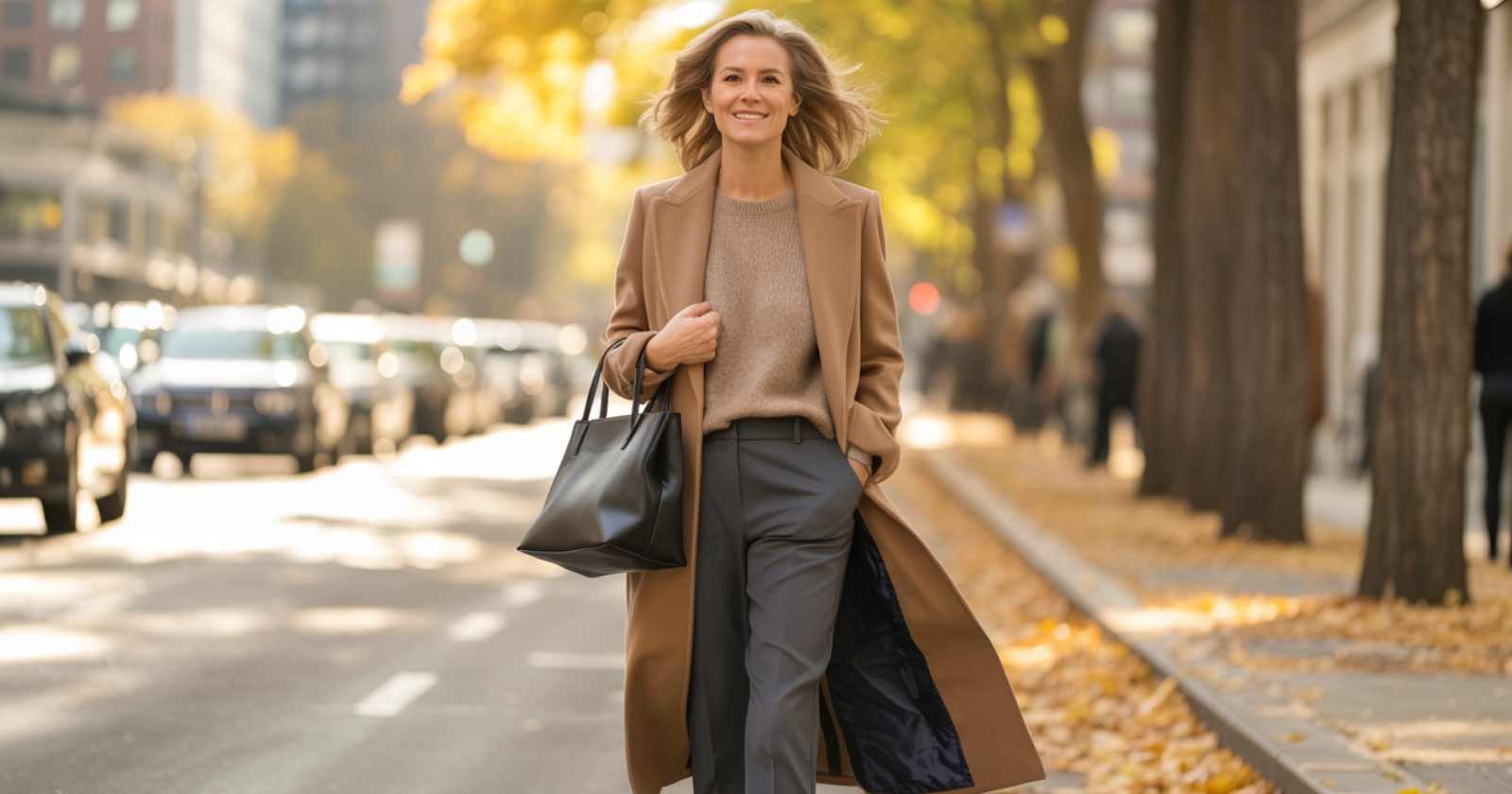
If you only upgrade one thing this fall, make it your coat. A sharp trench, car coat, or longline blazer instantly tidies whatever is happening underneath—leggings, gym tee, or a slip dress from last night’s dinner.
The magic is structure. Clean shoulders, a defined lapel, and a hem that hits mid-thigh or below lengthen the line of your body. If you live somewhere rainy, a water-resistant trench with a detachable liner earns its keep from September through April.
Fit is non-negotiable. When I worked in finance, I learned to treat tailoring like compound interest: a small investment that pays off every time you wear the piece. If the sleeves are an inch too long, hem them. If the buttons feel flimsy, swap them for horn-look ones. Those quiet upgrades make even a high-street coat read “designer.”
Style tip: keep pockets usable, not stuffed. A sleek silhouette loses its edge when it’s carrying half your life.
2) Monochrome layers
Head-to-toe one color isn’t boring—it’s polished. Think oatmeal on oatmeal, navy on navy, charcoal on charcoal. Monochrome is the quickest way to look put-together without trying, and it streamlines your morning decisions.
The key is playing with texture. Ribbed knit with smooth wool. Brushed flannel with crisp poplin. When everything is the same hue family, the fabric becomes the feature. It’s also wildly flattering because it doesn’t chop your body into blocks.
On chilly farmers’ market mornings, I’ll wear a cream turtleneck, off-white denim, and an ecru trench. Add a tan belt and it all reads intentional. Minimal effort, maximum payoff.
If you’re worried about stains (life happens), choose deeper tones: slate, forest, merlot. They’re still monochrome, just moodier.
3) Rich earth tones (with one jewel pop)
Fall has a built-in palette for a reason—nature is doing the art direction. Tobacco, chestnut, olive, rust, and camel never feel dated. They flatter most skin tones and play nicely with each other.
To keep it modern, add one saturated accent: amethyst scarf, sapphire sweater, emerald beanie. It’s the color-theory version of a squeeze of lemon on roasted vegetables—everything tastes brighter with a little acid. The accent should be small enough to swap out as your mood changes, but bold enough to lift the base layers.
If you’re building from scratch, start with camel or chocolate. They pair with black, navy, white, denim—basically your whole closet.
4) Texture-forward knits
Cable-knit fisherman sweaters, ribbed turtlenecks, bouclé cardigans—textured knits carry a room without shouting. They also forgive a lot on days you want comfort over precision. The trick is proportion. If your knit is chunky, balance it with slim trousers or a straight-leg jean. If your knit is fine-gauge, try pleated wool pants or a fuller skirt.
Care matters. Use a sweater stone or fabric shaver and store knits folded, not hung. I hand-wash mine in cool water with a tiny bit of mild detergent, then block them flat on a towel. Five minutes of care extends the life of a sweater by years—and “well-kept” reads more expensive than any logo.
If you run warm, look for lighter yarns with loft (merino blends, cotton-cashmere, or recycled fibers). Texture without bulk is the sweet spot for offices and crowded subways.
5) Elevated footwear you can actually walk in
Shoes set the tone. This fall, two silhouettes do a lot of heavy lifting: sleek loafers and pared-back sneakers. Both work with denim, trousers, sweater dresses—everything. Both make you look deliberate without sacrificing miles.
I opt for durable soles and real support because I’d rather spend my energy on good conversation than aching arches. If you love a boot, choose a low block heel or a flat Chelsea with a refined toe. Keep hardware minimal; the clean vamp keeps them timeless.
As a vegan, I’m also big on plant-based and recycled materials that age well. Today’s non-leather options are sturdy and weather-friendly. If you’re on the fence, start with a black loafer in a matte finish. You’ll reach for it four days a week, easy.
Micro-trend that won’t date: tonal laces and tonal socks. Tiny detail, huge polish.
6) Vegan leather done right
Faux leather used to be a dead giveaway. Not anymore. The 2025 versions—mushroom-based, apple-based, or high-quality PU—have texture and drape that rival the real thing, minus the maintenance.
A tailored vegan-leather shirt-jacket over a knit is an instant outfit. So is a pleated midi skirt in chocolate or oxblood with a slim turtleneck and loafers. If you prefer denim, a simple black “leather” belt with a brushed buckle anchors any look.
Two fit rules so it stays chic, not costume: keep lengths classic (hip for jackets, midi for skirts) and avoid overly shiny finishes. Slight sheen looks modern; mirror gloss looks nightclub.
Bonus: most plant-based leathers wipe clean with a damp cloth. Coffee spills are no longer a crisis.
7) Heritage patterns with a twist
Houndstooth, glen plaid, herringbone, and fair isle aren’t going anywhere. They telegraph “fall” the way cinnamon does. To keep them current, change the canvas. Instead of a traditional blazer, try a plaid overshirt in a relaxed cut. Instead of classic fair isle, choose a vest layered over a crisp shirt. Instead of head-to-toe pattern, limit it to one hero piece and keep everything else quiet.
I love pairing a gray herringbone coat with a navy monochrome base. It looks editorial but not try-hard. Tailoring matters here too—heritage patterns skew classic, and a sharp fit keeps them in “timeless” territory, not “grandpa’s attic.”
If you’re pattern-shy, start with accessories: a checked scarf or cap. Low risk, high mood.
8) Oversized scarves and smart accessories
A generous scarf is the fall equivalent of a summer white tee—endlessly useful. Choose a wider, longer cut in wool, cashmere blend, or a soft recycled fiber. Drape it once and let it fall, or wrap snugly when the temperature drops. It adds volume where you want it and frames the face beautifully.
Other accessories that never lose their edge: leather-look belts (vegan or otherwise) with understated buckles, structured crossbody bags that hold their shape, and simple gold-tone or silver-tone hoops. They’re the punctuation marks of your outfit.
Personal rule: one statement at a time. Big scarf, simple jewelry. Bold earrings, minimal scarf. Your look breathes when the accents aren’t fighting.
9) A signature uniform (that you update, not overhaul)
Here’s the mindset shift that makes your closet feel new without constant buying: decide on a simple fall “uniform,” then remix within it. Maybe it’s “long coat + knit + straight-leg denim + loafers.” Maybe it’s “blazer + tee + pleated trouser + sneaker.”
A uniform reduces decision fatigue and keeps your style coherent. It also saves money because you’re building depth (better versions of things you wear) instead of breadth (one-off novelty buys). Every season I choose one improvement—this year it’s upgrading my denim to a cleaner, heavier weight that doesn’t bag out by noon.
If you like experimenting, do it with color pops and accessories, not with silhouettes you’ll wear twice. It’s the difference between fashion as entertainment and style as a habit.
How to keep these choices feeling modern all season
- Mind the mix: One tailored piece + one relaxed piece. One matte texture + one with sheen. Balance keeps outfits interesting.
- Commit to care: Lint roll, steam, polish. Five minutes changes the entire vibe.
- Plan the palette: Pick 3–4 base colors and stick to them. Edges never dull when everything works together.
- Buy the best you can for “daily drivers”: Coats, shoes, and bags do 80% of the visual work. Cheap-looking versions drag everything down.
A note on sustainability (and sanity)
I’m vegan, and I care about what we buy and why. The most sustainable (and stylish) thing you can do is wear what you own—well. Repair soles. Replace buttons. Swap with friends. When you do buy, calculate cost-per-wear. A $250 coat you wear 100 times costs less than a $75 jacket you wear twice. Your closet will look better, and so will your budget.
Getting dressed should be simple—and a little joyful
Fall style isn’t about chasing every drop. It’s about choosing a few reliable players, then letting them do their job so you can do yours—live your life, feel comfortable, and look like you meant it.
If you pick even two or three of these ideas and commit to them, your outfits will carry you from first frost to last leaf without breaking a sweat (or your bank account).
What’s the one upgrade you’re making first?
If You Were a Healing Herb, Which Would You Be?
Each herb holds a unique kind of magic — soothing, awakening, grounding, or clarifying.
This 9-question quiz reveals the healing plant that mirrors your energy right now and what it says about your natural rhythm.
✨ Instant results. Deeply insightful.

Avery White
Formerly a financial analyst, Avery translates complex research into clear, informative narratives. Her evidence-based approach provides readers with reliable insights, presented with clarity and warmth. Outside of work, Avery enjoys trail running, gardening, and volunteering at local farmers’ markets.
More Articles by Avery