Fashion, for French women, isn’t about impressing others. It’s about harmony—between the inner and outer self.
There’s something about French style that seems to fascinate the rest of the world.
Maybe it’s the way French women can make jeans and a white shirt look impossibly chic, or how they seem effortlessly put together even on a lazy Sunday.
But here’s the thing—what most people don’t realize is that French women don’t try to look fashionable. They just are.
Their style is a reflection of how they see themselves, not how they want others to see them.
And if there’s one thing you don’t want to do, it’s say something that rubs that cultural sensibility the wrong way.
So, if you ever find yourself chatting with a French woman about clothes, style, or beauty, here are seven things you should definitely avoid saying—and what these comments reveal about how differently we approach fashion.
Let’s dive in.
1) “You must spend a fortune to look that good.”
It might sound like a compliment, but it’s actually the opposite of what French women value in style.
In France, looking good isn’t about money—it’s about taste.
French women pride themselves on knowing how to mix high and low, old and new.
They’ll pair a designer handbag with a flea-market trench coat or wear a vintage silk scarf that belonged to their grandmother.
The assumption that style requires wealth can come across as tone-deaf.
To a French woman, true elegance lies in curation, not consumption.
It’s about knowing yourself well enough to choose what fits your personality, not just your body.
And that mindset? It’s refreshingly freeing.
When you stop equating beauty with cost, your wardrobe becomes a creative space—not a competition.
2) “I wish I could pull off not wearing makeup like you.”
This one comes up a lot, especially from visitors who are mesmerized by the “natural” French look.
But let’s be real—it’s not that they’re skipping makeup altogether.
They’re just using it differently.
French women wear makeup to enhance, not to transform.
A little concealer, a swipe of mascara, maybe a smudge of lipstick. That’s it.
So when you say this, what a French woman might hear is: “You look great for not trying,” which undermines the quiet effort that goes into subtlety.
What’s really worth admiring is the philosophy behind it.
They don’t chase perfection; they chase authenticity.
Their goal isn’t to erase flaws—it’s to work with them.
It’s a lesson I’ve slowly learned myself.
As someone who spent years perfecting a corporate-ready look back in my finance days, I’ve since come to appreciate the quiet confidence of imperfection.
Sometimes, the smudge of eyeliner that’s not quite even tells a better story than the one that’s flawless.
3) “Don’t you ever wear color?”
This is a classic mistake. Many French women do love color—but they use it strategically, not liberally.
The French wardrobe tends to revolve around neutrals because they value timelessness.
A black blazer or a navy sweater doesn’t scream for attention; it whispers confidence.
When you ask why they don’t wear more color, it can sound like you’re criticizing their restraint—as if minimalism equals dullness.
Here’s the secret: restraint is the point.
French style is built on the belief that fashion should never overpower the person wearing it.
The clothes should serve you, not the other way around.
There’s something deeply psychological about that.
Dressing in muted tones allows the individual to stand out.
It’s the opposite of what fast fashion teaches us—that louder is better.
And maybe that’s why so many people find French style magnetic: it’s quietly self-assured.
4) “You’re so lucky you can eat bread and stay slim!”
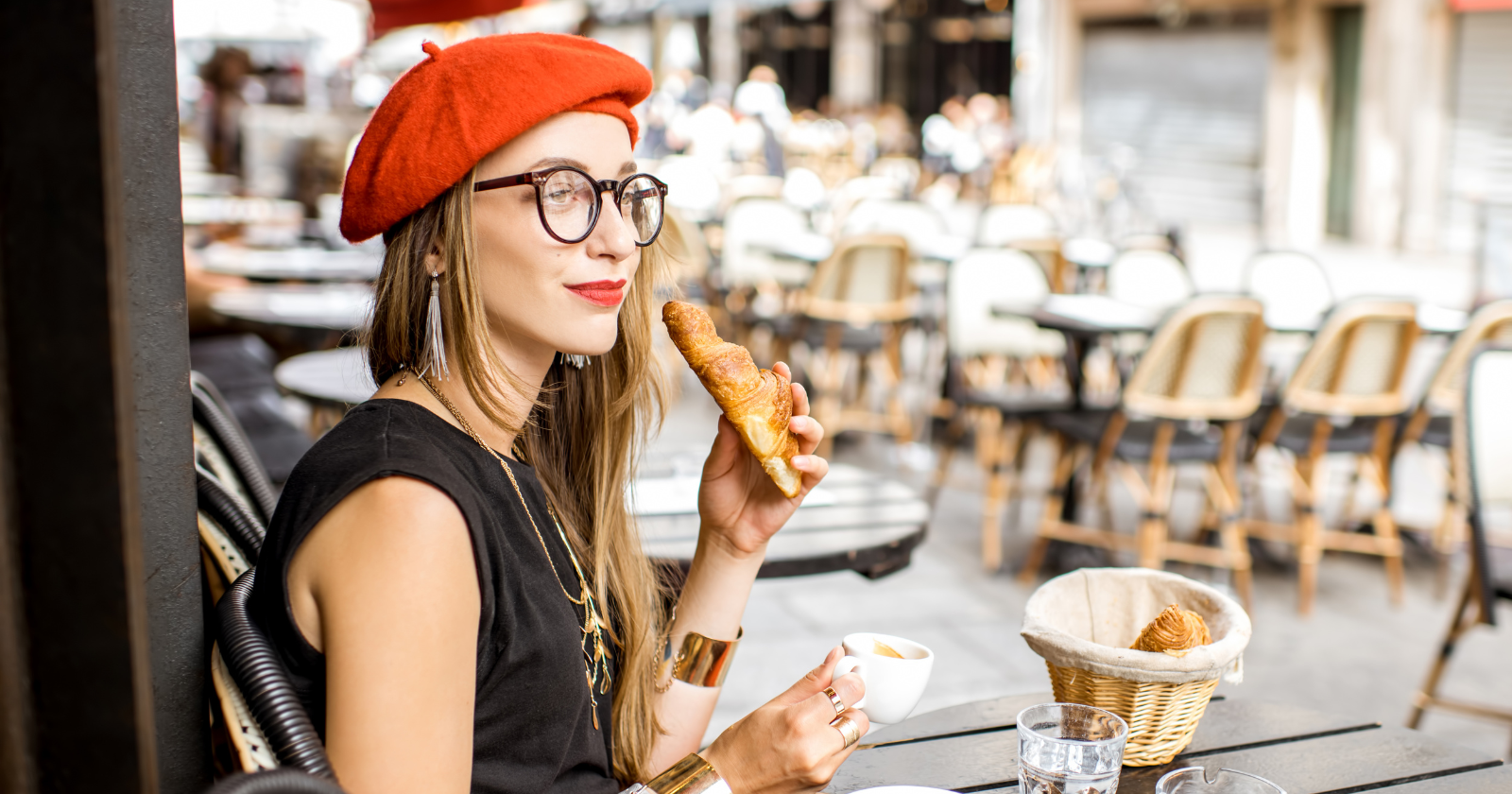 Oh, the bread comment.
It’s practically a rite of passage for tourists.
But to French women, this statement can come off as a mix of envy and misunderstanding.
It assumes they’re effortlessly thin and that French culture somehow holds a magic diet secret.
Spoiler: it doesn’t.
What’s actually at play is attitude.
French women eat everything—bread, wine and their favorite tasty treats—but they do it mindfully.
They enjoy food without guilt, and they stop when they’re satisfied. They’re not counting calories; they’re savoring moments.
When you tell a French woman she’s “lucky,” you’re ignoring the cultural context that shaped her habits.
Balance isn’t luck—it’s learned.
And honestly, there’s something beautiful about that approach.
As someone who’s vegan, I relate to the French emphasis on conscious enjoyment. It’s not about restriction—it’s about intention.
5) “You all dress the same.”
This one might sting the most because it completely misses the point.
Yes, many French women gravitate toward similar staples—striped shirts, trench coats, ballet flats—but uniformity doesn’t mean lack of individuality.
In fact, the challenge (and the fun) lies in expressing personality within the framework of simplicity.
One woman might cinch her trench with a silk belt.
Another might wear her striped top tucked into worn-in jeans with a pair of vintage loafers.
It’s the subtle differences that make each look uniquely hers.
French women often see dressing as an extension of their identity, not a fashion show for others.
They’re not looking to reinvent themselves every season; they’re building consistency over time.
To say they all dress alike is to overlook the quiet confidence that comes from knowing yourself.
It’s like saying all writers sound the same just because they use the same alphabet.
6) “Why don’t you follow trends?”
Because they don’t need to.
Trends come and go, but French women tend to stick to what suits them.
It’s not that they’re unaware of what’s fashionable—they just don’t feel compelled to chase it.
I once met a Parisian woman in her fifties who told me, “Style is like friendship—you don’t need many, just the right ones.”
That stuck with me.
French style isn’t about being current; it’s about being constant.
They’d rather invest in pieces that age with them, not expire when the next influencer drops a new look.
And there’s a psychological depth here too.
Following trends often comes from a place of external validation.
Choosing timelessness, on the other hand, comes from self-assurance.
It’s a quiet kind of rebellion in a world that profits from our insecurities.
So, when you ask why they don’t follow trends, you’re really asking why they don’t follow others.
And the answer is: they follow themselves.
7) “You make it look so easy.”
This might seem like praise, but it diminishes what’s actually a deep cultural and emotional relationship with style.
French women aren’t born knowing how to tie a scarf just so, or how to pair the perfect boots with a dress.
They learn by observing, experimenting, and paying attention.
The “effortless” look is the result of years of subtle refinement.
They’ve learned what works—and what doesn’t.
They understand that the way a fabric drapes or how a neckline frames their face matters.
It’s an awareness that goes beyond fashion; it’s self-knowledge expressed through fabric and form.
When we call it “effortless,” we erase the art behind it.
It’s like saying a pianist makes music look easy without acknowledging the hours of practice behind every note.
So yes, it looks easy. But that’s because it’s earned ease—one that comes from deep familiarity with oneself.
Final thoughts
Fashion, for French women, isn’t about impressing others.
It’s about harmony—between the inner and outer self.
The reason these seven comments can feel off is that they frame fashion as something external, performative, or luck-based.
But to French women, style is deeply internal.
It’s not about trends, money, or perfection—it’s about self-respect, restraint, and authenticity.
And maybe that’s the lesson for the rest of us. Instead of chasing “effortless chic,” we could focus on knowing ourselves well enough that our clothes become an extension of that knowledge.
After all, true style isn’t about being noticed—it’s about being remembered for who you are, not just what you wear.