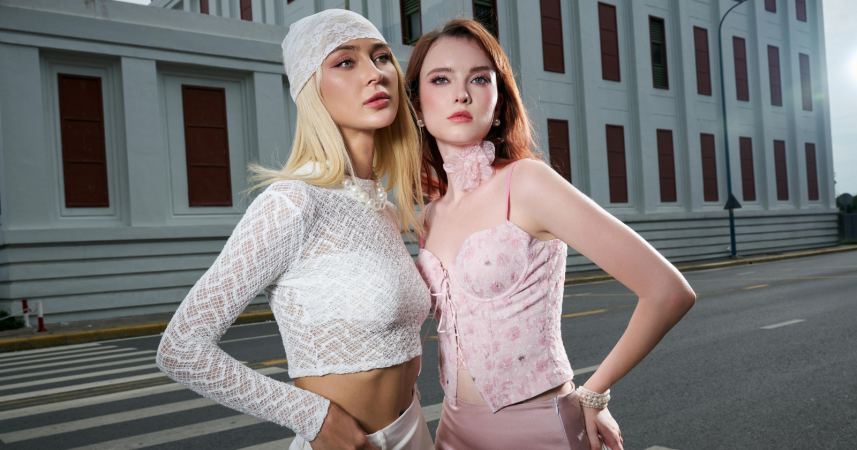
Most people assume looking wealthy means logos and flashy pieces, but the upper class avoid those entirely. Their style is quiet, understated, and rooted in ease rather than show. Real luxury whispers.
We all love the idea of looking polished without trying too hard, don’t we
Yet the more I observe people in different social settings, the more I notice something interesting.
The items most people believe look expensive often aren’t the ones wealthy people actually wear. In fact, they usually avoid them.
That fascinated me for years. Back when I worked in finance, I interacted with people from all kinds of backgrounds.
Some are quietly affluent. Some are seemingly affluent. Some are trying to look affluent.
Later in life, volunteering at farmers’ markets and connecting with people outside the corporate world, I noticed the same pattern.
The upper class never advertises its status through clothing. They do the opposite. Their wardrobes are subtle, lived in, and intentionally understated.
So today, I want to walk you through eight things upper-class people rarely wear, even though many of us assume these items scream money.
Let’s dive in.
1) Flashy designer logos
You know the outfits I’m talking about. The purse with a giant logo.
The sweatshirt was covered in monograms. The shoes with branding so loud you can spot them from across the street.
But here’s the truth. The upper class rarely wear those pieces.
Someone once told me, if you can recognize the brand from twenty feet away, an upper-class person probably won’t buy it.
And honestly, that’s been true in every setting I’ve ever been in.
Large logos speak loudly. The upper class prefers their style to whisper.
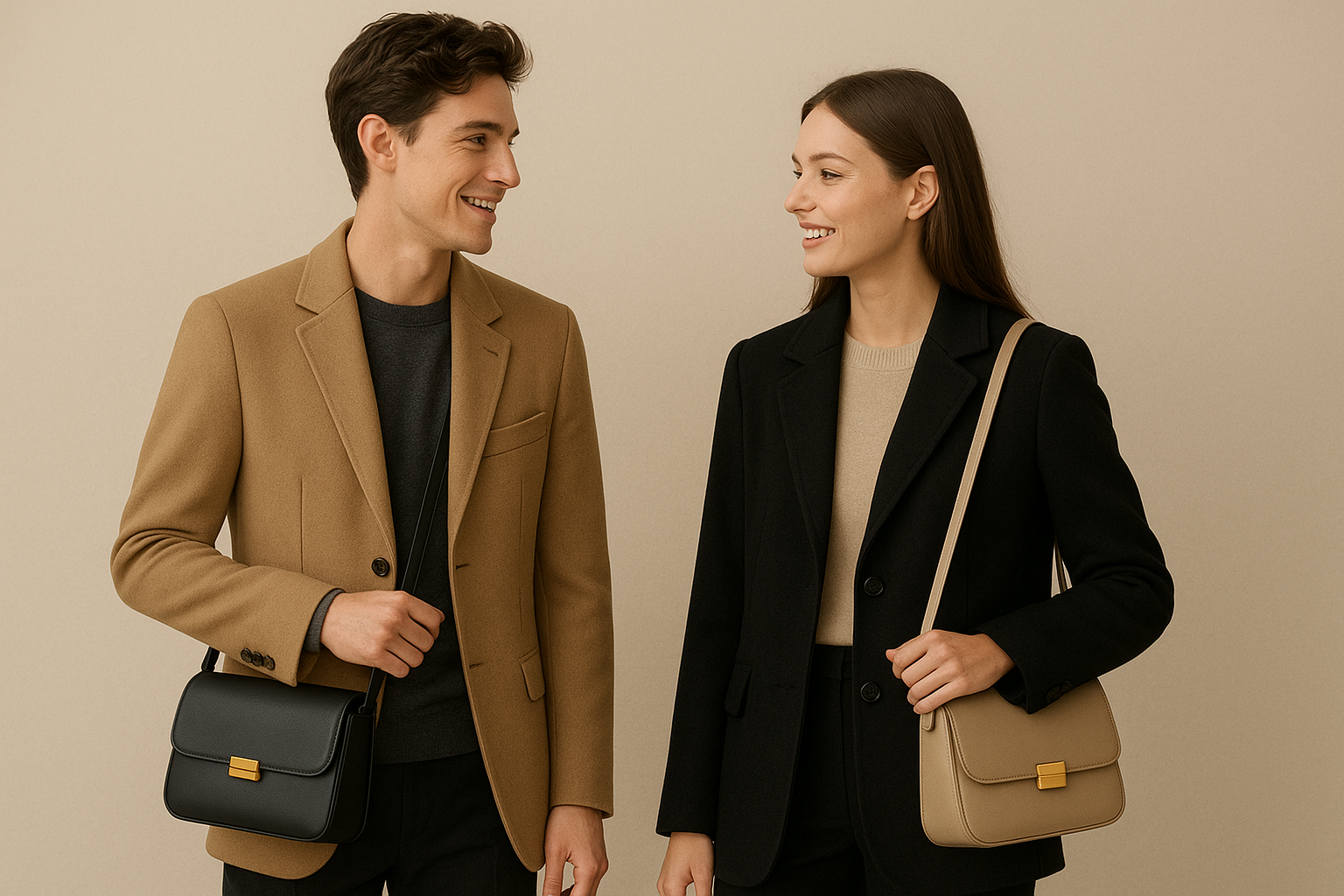
They choose clothing that’s beautifully cut, well-constructed, and timeless. A clean wool coat. A soft cashmere sweater.
A simple leather bag without obvious branding.
These pieces hold quiet power. They look refined without announcing where they came from or how much they cost.
It’s not about rejecting luxury. It’s about rejecting the need to advertise it.
2) Trend chasing statement pieces
Every year comes with a handful of trends that explode overnight. Chunky sneakers. Futuristic sunglasses. Micro bags that barely fit a key.
Low-rise everything. Bright neon everything. I’ve lived through more of these cycles than I care to admit.
And every time, I see the same thing. The people who chase trends rarely look wealthy. They look like they’re trying to keep up.
The upper class rarely hops on these trends.
Their wardrobes are built on longevity. Not novelty. Not flash. Not what everyone is posting on social media this month.
Growing up in an environment where clothes are passed down, repaired, and worn for years naturally shapes your relationship to fashion.
You stop buying trendy pieces and start investing in those that won’t feel embarrassing two seasons later.
The upper class tends to stick to classic silhouettes and neutral colors because they never date.
Their clothes aren’t chasing attention. They’re just quietly reliable.
And that reliability looks a lot more expensive than any viral trend.
3) Overly coordinated outfits
Let me ask you something. Have you ever put on an outfit and realized it looked too perfect, almost staged? Upper-class people avoid that feeling entirely.
Matching your shoes to your bag to your belt to your jewelry to your scarf looks intentional in a way that feels more rigid than refined.
The upper class leans heavily toward effortless styling. They prefer outfits that look like they happened naturally, not like they were meticulously planned.
There is charm in slight mismatches.
A relaxed linen shirt with polished earrings. A structured blazer with simple woven flats. An old leather bag paired with a modern dress.
It’s confidence that creates balance. Not coordination.
People with real ease in their style know when to stop adding things. They know when an outfit feels complete. And more often than not, that sense of restraint reads as wealth.
4) Fake or dupe luxury items
Here’s a hard truth. Most upper-class individuals will never be caught wearing a fake bag, watch, or pair of shoes. Not because they’re judging anyone.
But because it simply doesn’t align with how they understand value.
For the upper class, items are rarely about show. They’re about the story.
A watch inherited from a grandfather. A bag has been repaired three times over the years. Shoes are resoled until the leather molds perfectly to the foot.
These objects carry meaning.
A fake version is empty. No history. No craftsmanship. No emotional thread connecting it to anything real.
And here’s another thing. People who grow up around luxury can spot a dupe instantly. The stitching, the finish, the hardware, the proportions. It’s all obvious to them.
Instead of buying replicas, the upper class prefers owning fewer things that are genuine. And if they can’t get the real version of something, they simply skip it.
They don’t chase the symbol. They choose authenticity, even in small quantities.
5) Excessive jewelry and over-the-top bling
This one brings back a vivid memory from my finance days. One of my colleagues came from a wealthy family. She wore the simplest jewelry I’d ever seen.
A thin gold band. Tiny pearl studs. Sometimes a delicate chain. Nothing sparkly. Nothing oversized. Nothing screamed for attention.
Meanwhile, others wore layers of bracelets, statement necklaces, multiple rings, and watches that practically glowed in the dark.
Guess who looked truly expensive.
The one with the minimalist jewelry.
Upper-class individuals rarely wear flashy or overly sparkly pieces. Their jewelry is intentionally subtle.
Often sentimental. Sometimes inherited. Always meaningful.
Wealth doesn’t need volume. It doesn’t need glitter. It doesn’t need shine. It feels no pressure to perform.
6) Painful high heels and uncomfortable shoes
If there is one thing that separates perceived wealth from lived wealth, it’s comfort.
People who want to look rich often wear the most uncomfortable shoes imaginable. Sky-high heels. Stiff loafers. Shiny dress shoes that pinch the toes.
If you’ve ever watched someone wobble across a parking lot in heels that look like medieval torture devices, you know what I mean.
Upper-class people don’t do that to themselves.
Comfort is a quiet symbol of security. When you’re confident in your place in the world, you don’t need your shoes to prove anything.
They choose well-made flats, riding boots, broken-in loafers, supportive sneakers, and low block heels.
Shoes designed for walking, not posturing. Shoes that can endure a long day, not a short photo moment.
Ease is the real luxury.
7) Overly embellished or dramatic evening wear
A common misconception is that luxury evening wear must be big. Sparkly. Dramatic. Think sequins, giant slits, huge bows, rhinestones, metallic fabrics.
But if you look closely at genuinely wealthy individuals at galas or charity events, you’ll notice the opposite.
Their evening wear is incredibly simple.
A black crepe dress. A navy silk gown. Clean lines. Minimal jewelry. A classic clutch. Hair styled softly, not sculpted within an inch of immobility.
One of the most refined outfits I ever saw at an event was a woman in a completely plain dark green dress.
No shine. No glitter. No embellishment. But the fabric was exquisite. The cut was perfect. And she looked breathtaking.
Restraint is elegant.
And elegance is enviable.
8) Loud new money accessories
You’ve seen them.
Bright white shoes that never touch real ground. Ultra shiny suits. Massive watches. Gold chains the thickness of a garden hose.
Accessories so loud they practically vibrate.
Upper-class individuals avoid these pieces because they feel theatrical. They’re trying to communicate wealth rather than embody it.
What I’ve noticed is this. Upper-class style often has a lived-in quality.
Worn leather. Slightly faded cotton. Cashmere that’s softened over the years. Jackets are repaired more than once. Old watches with a scratched clasp.
Nothing is too precious to use. And that comfort with wear communicates history. Identity. Stability.
Shiny things look new.
Worn things look real.
Final thoughts
At least one of these surprised you, didn’t it
Most of us were raised to believe that luxury is loud. That it sparkles. That it announces itself.
But everything I’ve learned from work, life, and quiet observation tells a different story.
True luxury whispers.
It doesn’t need to be noticed to be known.
The most upper-class style is built on ease, simplicity, quality, and a confidence that doesn’t rely on external validation.
And the beautiful part is that anyone can adopt that approach.
You don’t need wealth to dress with intention and quiet refinement. You just need a shift in mindset.
Ask yourself what feels good, what lasts, and what reflects who you truly are, not who you hope people think you are.
Your style will naturally evolve from there. And trust me, it will evolve in really beautiful ways.