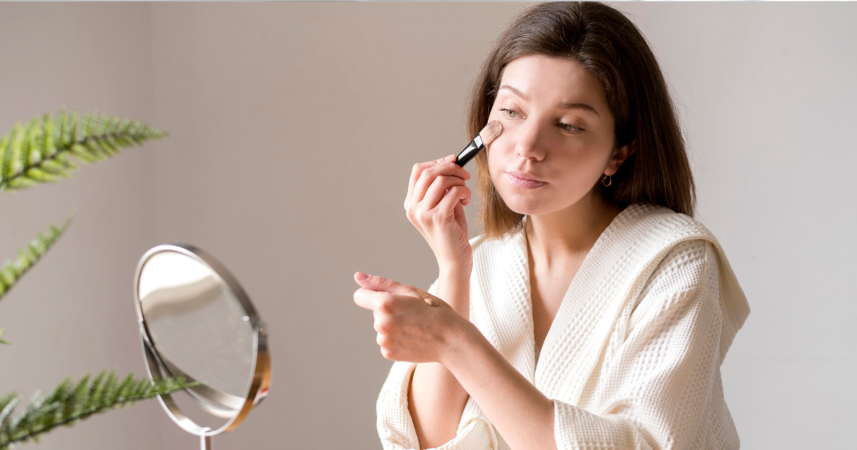
What if the very makeup habits you trust to keep you looking young are secretly speeding up the aging you’re desperate to hide?
I always thought makeup helped me look younger, until a dermatologist friend pointed out that some of my habits were actually speeding up the aging process.
The irony was striking. The very products I used to hide fine lines and dullness were sometimes making them worse.
The truth is, makeup can be a confidence booster, but common mistakes in how we use and remove it can quietly harm skin health over time.
After speaking with dermatologists, makeup artists, and cosmetic chemists, I discovered nine subtle but powerful ways our routines may be doing more harm than good.
1. The foundation oxidation trap
Like many women, I noticed my foundation would look perfect in the morning but turn orange or gray by afternoon.
I blamed it on my skin’s oils or the humid climate where I live. It wasn’t until a cosmetic chemist explained oxidation to me that I understood what was really happening.
When certain foundations react with your skin’s natural oils and the air, they oxidize, creating free radicals directly on your face. These unstable molecules damage collagen and elastin, the proteins that keep skin firm and elastic. The darker, off-color appearance isn’t just unflattering. It is a visible sign of ongoing cellular damage.
The solution isn’t simply buying expensive foundation. Look for formulas with antioxidants like vitamin E, and use a primer that creates a barrier between skin and makeup. Most importantly, remove makeup as soon as you are home, minimizing oxidation time and giving your skin a break.
2. The powder paradox
Setting powder was my secret weapon against shine, especially in my T-zone where oil seemed to emerge within hours of application.
I reapplied throughout the day, convinced that matte skin equaled youthful skin. This belief, I discovered, was not only wrong but potentially harmful.
Excessive powder application draws moisture from the skin, creating dehydration that accelerates fine line formation. Dermatologists explain that when skin lacks moisture, it compensates by producing more oil, which then requires more powder. This creates a vicious cycle that weakens the skin’s barrier.
Even more concerning is how powder settles into fine lines and pores, creating micro-abrasions when removed. These tiny injuries accumulate over time, leading to sensitivity and premature aging.
A better choice is to use blotting papers for midday touch-ups and replace heavy powder with a light setting spray.
3. The excessive exfoliation before makeup
For years, I believed smooth skin was the key to flawless makeup application. I exfoliated religiously, sometimes daily, thinking I was creating the perfect canvas. This practice, which seemed so logical, was actually one of my biggest mistakes.
Over-exfoliation compromises the skin’s protective barrier, making it vulnerable to environmental damage and irritation from makeup products.
When too many layers of dead skin cells are removed, immature cells are exposed before they are ready. These fragile cells are easily damaged by UV rays, pollution, and yes, even by makeup itself.
The inflammation from excessive exfoliation also triggers the breakdown of collagen and elastin. A gentler approach is to exfoliate just once or twice a week, and never on days when you will be applying heavy makeup. Surprisingly, skin often looks smoother and healthier with less effort.
4. The concealer overload under eyes
The under-eye area became my battlefield against aging, where I layered concealer, color corrector, and setting powder in an attempt to erase dark circles and fine lines. I thought more coverage meant better camouflage. Instead, I was accelerating the very aging I wanted to hide.
The skin under the eyes is about 40 percent thinner than the rest of the face, with fewer oil glands to maintain moisture. Heavy concealer suffocates this fragile area, while constant tugging during application and removal damages collagen fibers. The weight of layered products can even contribute to sagging.
A makeup artist who works with mature clients taught me the “less is more” approach: one thin layer of hydrating concealer, pressed gently into the skin with a fingertip or damp sponge, and minimal powder only where absolutely necessary. The result looks fresher and protects long-term skin health.
5. The wrong makeup removal method
I used to attack my makeup each night with whatever was convenient—harsh wipes, soap and water, or vigorous rubbing to ensure every trace was gone. This aggressive approach was aging my skin faster than the makeup itself.
Many wipes contain alcohol and preservatives that strip natural oils and disrupt the skin’s pH balance. Scrubbing causes inflammation and breaks down collagen fibers. Even when using gentle cleansers, rubbing too hard, especially around the eyes, weakens delicate skin.
The double-cleanse method is a game changer. An oil-based cleanser dissolves makeup without friction, followed by a gentle water-based cleanser to remove residue. This method reduces irritation and helps maintain a smoother, more resilient complexion over time.
6. The expired product problem
My makeup drawer was a graveyard of half-used products, some dating back years. Throwing them away seemed wasteful, but this frugality was costing me in skin health.
Expired makeup harbors bacteria that cause low-grade inflammation, even when breakouts are not visible. This chronic irritation accelerates aging through a process known as inflammaging. Preservatives in old products also degrade, forming compounds that damage skin cells.
Expired formulas are more likely to cause redness, allergic reactions, or textural changes in skin. Mark opening dates on your products and follow disposal guidelines, even if there is product left. Healthy skin is worth more than squeezing out a few extra uses.
7. The shimmer and glitter addiction
Highlighters and glittery eyeshadows seemed like instant youth in a compact. I applied them liberally, believing they created radiance. The reality was quite different.
Many shimmer products contain large particles that create micro-tears in the skin during application and removal. They can also settle into fine lines, making them more pronounced rather than hidden. Instead of soft radiance, the effect is often harsh and unflattering.
A better option is cream-based highlighters with finely milled particles, applied sparingly. The most youthful glow comes from subtle luminosity, not from an intense sparkle that emphasizes texture and accelerates irritation.
8. The SPF skipping sin
On days when I wore foundation with SPF, I skipped separate sunscreen. This false sense of protection was perhaps my most damaging mistake. The SPF in makeup is rarely applied in thick enough layers to provide true coverage.
Dermatologists remind us that UV damage accounts for up to 80 percent of visible aging. Relying on makeup SPF leaves the skin vulnerable during the most damaging hours of the day. The areas often missed with foundation, such as hairline, ears, and neck, age faster and create unevenness.
Apply a full layer of broad-spectrum SPF 30 or higher under your makeup every morning. Think of foundation SPF as a bonus, not a replacement. This single change can make a greater difference to skin health than any anti-aging cream.
9. The sleep in makeup sabotage
This was the habit I was most guilty of, especially after long days or late nights. Falling asleep with a full face of makeup seemed harmless if it only happened occasionally. In reality, each time I skipped cleansing, I accelerated the aging process.
At night, skin works to repair itself, but makeup prevents this natural renewal. Leftover foundation and powders trap pollutants against the skin, increasing oxidative stress and collagen breakdown. Mascara and eyeliner harden lashes, making them brittle and more likely to fall out. Lip products dry and irritate delicate skin, leading to lines around the mouth.
Even a single night of sleeping in makeup can dehydrate skin and clog pores. Over time, the accumulated damage results in dullness, loss of elasticity, and visible wrinkles.
Keeping gentle cleansing wipes or micellar water by the bed is better than skipping entirely, but making full cleansing non-negotiable is the best long-term gift you can give your skin.
Final thoughts
Makeup can be a wonderful tool for self-expression and confidence, but it should never come at the cost of long-term skin health.
The truth is, many of the mistakes we make are born from habits, myths, or convenience rather than malice. Once you spot the subtle signs, you can make small adjustments that protect your skin while still enjoying the artistry of makeup.
By choosing antioxidant-rich formulas, handling skin gently, respecting expiration dates, and never skipping SPF or cleansing, you can keep your routine supportive rather than sabotaging.
Aging gracefully is not about abandoning makeup altogether. It is about creating habits that let your skin thrive beneath the makeup, so your beauty looks just as radiant when the products come off.
What’s Your Plant-Powered Archetype?
Ever wonder what your everyday habits say about your deeper purpose—and how they ripple out to impact the planet?
This 90-second quiz reveals the plant-powered role you’re here to play, and the tiny shift that makes it even more powerful.
12 fun questions. Instant results. Surprisingly accurate.