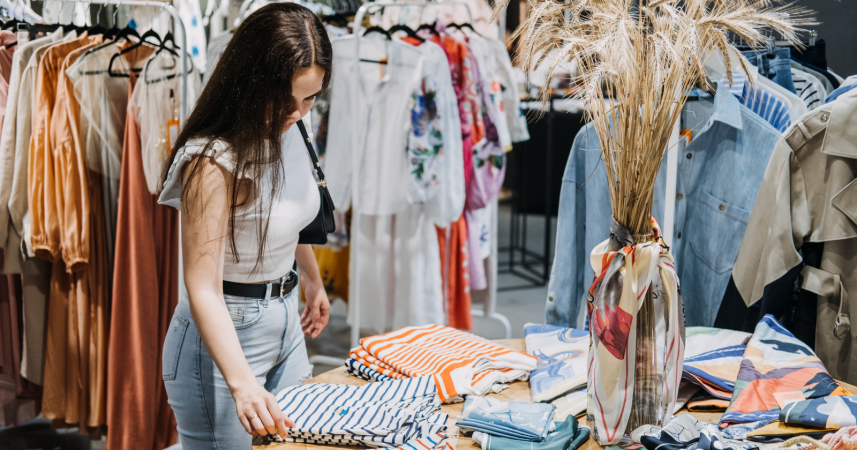
Building a wardrobe that aligns with your values starts with knowing which fabrics deserve a spot in your closet.
When I first went vegan, I thought I had it figured out.
I overhauled my kitchen, learned to read ingredient labels like a detective, and felt genuinely proud of the changes I was making. Then one afternoon, I caught myself admiring a beautiful wool sweater in a shop window and realized my blind spot was hanging in my closet all along.
The truth is, extending compassion to what we wear requires the same intentionality we bring to what we eat.
And once you know what to look for, shopping for vegan clothing becomes second nature. Here are the materials I reach for now, and why they might work for you too.
1. Organic cotton
Cotton is a staple for good reason. It breathes, it softens with every wash, and it works for everything from workout gear to date night. But I specifically seek out organic cotton when I can, because conventional cotton farming relies heavily on pesticides that harm ecosystems and farmworkers alike.
Organic cotton uses significantly less water and avoids synthetic chemicals, making it gentler on the planet. I wear organic cotton tees on my trail runs, and they hold up beautifully mile after mile.
Look for certifications like GOTS (Global Organic Textile Standard) to ensure what you're buying meets rigorous environmental and social criteria.
2. Linen
There's something almost meditative about linen. It wrinkles, yes, but I've come to see those creases as character rather than flaws. Made from flax plants, linen requires far less water than cotton and can grow in poor soil without heavy irrigation or pesticides.
I started wearing linen after leaving finance, when I finally stopped caring whether my clothes looked perfectly pressed. It keeps me cool in summer, gets softer over time, and biodegrades naturally at the end of its life. If you're building a capsule wardrobe, a few quality linen pieces will serve you for years.
3. Tencel and lyocell
These materials come from wood pulp, typically eucalyptus or beech trees, processed in a closed-loop system that recycles water and solvents. The result is a silky, breathable fabric that drapes beautifully and feels luxurious against skin.
I was skeptical at first because anything that sounds too good usually is. But Tencel (a brand name for lyocell made by Lenzing) has earned credibility for its sustainable production process.
It's become my go-to for blouses and lightweight layers. Have you ever found a fabric that made you rethink what "sustainable" could feel like?
4. Hemp
Hemp has shed its counterculture reputation and earned a spot in mainstream fashion for good reason. It grows quickly, requires minimal water, naturally resists pests, and actually improves soil health as it grows. The fabric itself is durable, antimicrobial, and softens with wear.
I'll admit hemp clothing used to feel stiff and scratchy, but modern processing has changed that. My hemp canvas bag has outlasted three leather purses from my finance days, and it still looks great. If longevity matters to you, hemp delivers.
5. Recycled synthetics
This one requires nuance. Synthetic fabrics like polyester and nylon are petroleum-based, and they shed microplastics when washed. But recycled versions, made from plastic bottles or discarded fishing nets, give new life to materials that would otherwise sit in landfills or oceans.
I use recycled polyester for my running gear because it handles moisture and movement in ways natural fibers can't match. To minimize microplastic shedding, I wash these pieces in a microfiber-catching bag. It's not a perfect solution, but it's a thoughtful compromise.
6. Piñatex and other innovative materials
The future of vegan fashion is genuinely exciting. Piñatex, made from pineapple leaf fibers, offers a leather-like texture without harming animals or relying on plastic. Mushroom leather, apple leather, and cactus leather are emerging as viable alternatives too.
These materials aren't everywhere yet, and they tend to cost more. But I think of them as investments in the industry we want to see. Every purchase signals demand. My Piñatex wallet has sparked more conversations about vegan living than almost anything else I own.
Final thoughts
Building a vegan wardrobe isn't about perfection or purging everything you own overnight.
It's about making more intentional choices, one purchase at a time. When I left finance, I learned that meaningful change happens gradually, through small decisions that compound over years.
So the next time you're shopping, pause and check the label. Ask yourself: does this align with the life I'm trying to build? You might be surprised how empowering that simple question becomes. Your closet can reflect your values just as clearly as your plate does.