Fashion is a form of self-expression, and there’s joy in that. But it’s also worth asking, “Would I still love this in five years?” before buying something new.
Fashion is fun, expressive, and ever-changing.
Each generation finds its own way to rebel against what came before, and Gen Z is no different. They’ve brought boldness, creativity, and individuality back into the mainstream. But as much as I admire their willingness to experiment, I can’t help but wonder which of today’s trends might one day make them cringe.
Because here’s the thing: what feels edgy and revolutionary today often becomes a regret tomorrow. I’ve lived through enough trend cycles to know that what feels like a personal statement now can quickly feel like a time capsule of questionable choices later.
So let’s take a closer look at seven fashion trends that might not stand the test of time.
1) Micro mini everything
Do you remember when low-rise jeans were the ultimate status symbol in the early 2000s? Then one day we all woke up, collectively horrified at how much denim was missing. The same fate might await the micro mini trend.
From ultra-short skirts to shrunken tops, Gen Z has fully embraced barely-there fashion. It’s confident and freeing, no doubt. But five years from now, I have a feeling many will look back at their photos and wonder, “Did I really leave the house wearing that?”
The appeal of micro minis lies in their sense of rebellion, but comfort and practicality tend to win in the long run. Just as millennials traded in crop tops for oversized blazers, Gen Z might soon crave something less revealing and more sustainable.
After all, there’s only so much fabric you can cut away before you start missing pockets, coverage, and comfort.
2) Ultra baggy fits
At the opposite end of the spectrum, oversized everything is another defining feature of Gen Z style. Baggy jeans, massive hoodies, and loose silhouettes have taken over TikTok and the streets alike.
Now, I actually love that this trend came as a reaction to body-conscious fashion. It gives off effortlessness and confidence. But when taken to extremes, it can start to look more like you raided your dad’s closet than made a style statement.
There’s also a fine line between relaxed and shapeless. In a few years, when fashion inevitably swings back toward tailored fits, today’s oversized looks might feel more “I just rolled out of bed” than intentionally chic.
When I worked as a financial analyst, we used to talk about “regression to the mean.” The idea was that outliers eventually move back toward balance. Fashion does that too. What’s huge and baggy now will probably give way to more structure later.
3) Fast fashion hauls
This one isn’t just about style. It’s about values.
Gen Z is incredibly conscious of sustainability, yet paradoxically, they’ve fueled one of the biggest fast fashion booms in history. With weekly hauls, cheap prices, and social media trends that expire in days, the temptation is real. But the regret will be too.
I say this not to judge, but because I’ve been there in other ways. When I started earning money in my twenties, I’d buy whatever was trendy without thinking about longevity or ethics. Over time, the waste and low quality caught up with me. I learned to value fewer, better pieces.
Many in Gen Z will likely experience that same shift. Once you start prioritizing quality over quantity, it’s hard to go back to disposable fashion. The appeal of ten-dollar tops fades quickly when they lose shape after two washes.
4) Statement sneakers that weigh a ton
I’ll admit it: I own a pair of chunky sneakers. They’re comfortable and fun, but every time I put them on, I feel like I’m clomping around in cement blocks.
Gen Z’s love affair with platform sneakers and bulky soles makes sense. They add height, make a statement, and photograph well. But practicality eventually catches up to all of us. Those exaggerated soles and cartoonish proportions might not feel quite so charming after years of sore arches and backaches.
Fashion history is full of extremes. From the platform shoes of the 1970s to the wedge sneakers of the 2010s, every generation has had its moment of “why did we think that looked good?” I suspect the same fate awaits today’s exaggerated footwear.
In a few years, we’ll probably see a return to sleek, minimalist sneakers that are lighter and more timeless. Sometimes simple really does last longer.
5) The Y2K revival 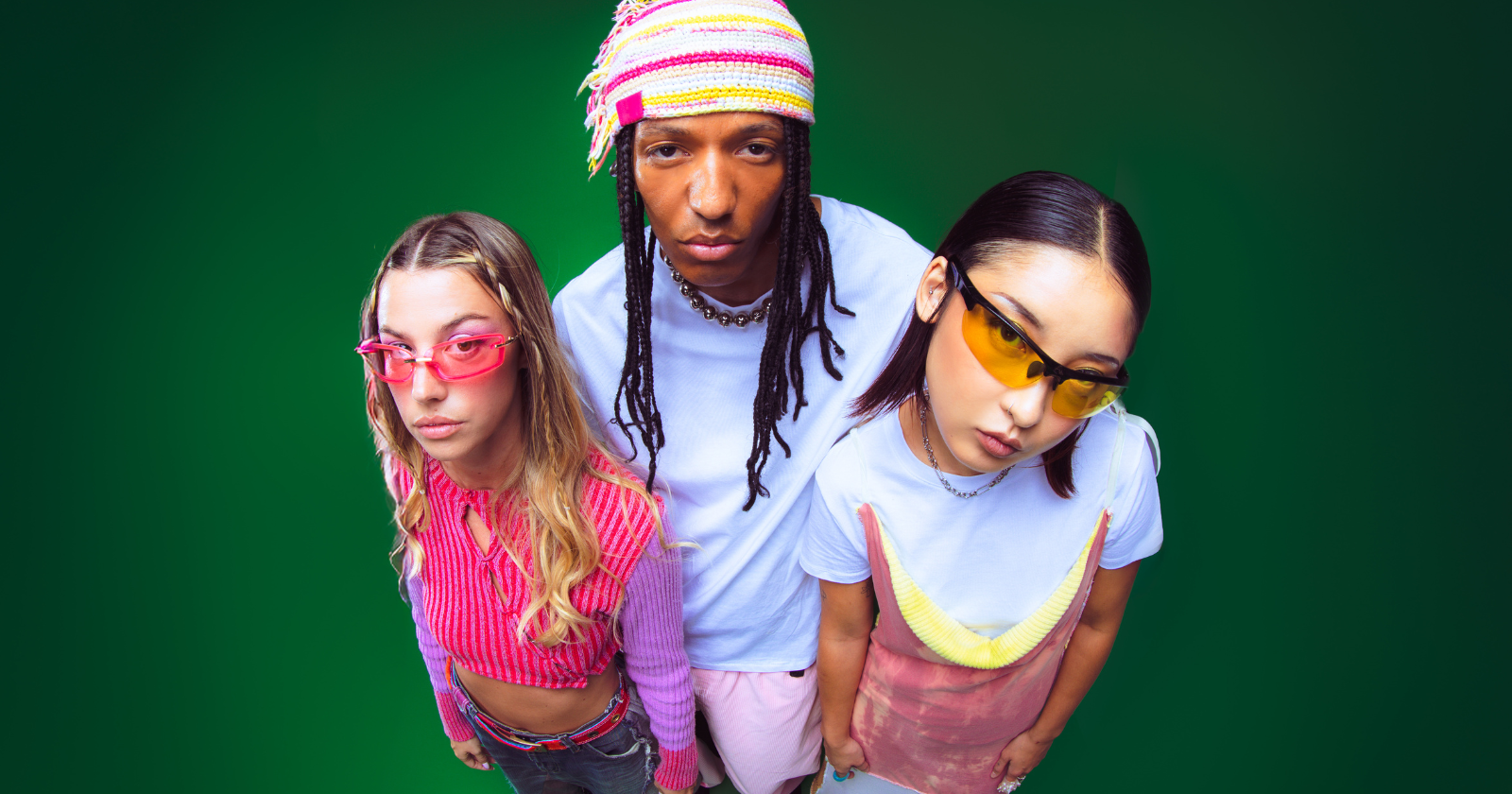
Butterfly clips, metallic fabrics, low-rise jeans, and rhinestone-studded everything have all made a comeback. For Gen Z, Y2K style feels nostalgic and ironic. For those of us who lived through it the first time, it just feels like déjà vu.
The thing about irony-based trends is that they have a short shelf life. What starts as playful and tongue-in-cheek often becomes overdone fast. Once the novelty wears off, people realize that some styles from the early 2000s were left behind for good reason.
I get the nostalgia. There’s something sweet about revisiting the past. But there’s also something empowering about evolving from it. I remember wearing shiny pink pants to a college party in 2002 and thinking I looked unstoppable.
Looking back now, I can only laugh. Trends like these remind us how much our tastes grow as we do.
6) Over-accessorizing
If you’ve seen a “maximalist” outfit lately, you know what I mean. Layered necklaces, stacks of rings, hair clips, chunky belts, and bright patterns all competing for attention.
It’s a joyful rebellion against minimalism, but it can also feel chaotic. There’s something exhausting about an outfit that demands that much coordination. When every piece screams for attention, the person wearing it can get lost in the noise.
Fashion psychologist Dr. Dawnn Karen once said that the way we dress often reflects our internal state. Maximalism can signal confidence and creativity, but it can also be a form of overcompensation. Sometimes we dress loudly to be seen when what we really crave is to feel secure.
Over time, many Gen Z fashion lovers might gravitate toward calmer, more refined looks. Style maturity often means saying more with less. A few well-chosen pieces can say everything you need.
7) The microtrend mindset
This might be the biggest trap of all.
Thanks to TikTok, trends now rise and fall faster than ever. One week it’s “coastal cowgirl,” the next it’s “blokecore” or “clean girl aesthetic.” Each microtrend demands new clothes, new colors, new everything. It’s exhausting, expensive, and unsustainable.
The dopamine hit of keeping up feels good in the moment, but it rarely lasts. I’ve learned the hard way that chasing constant novelty in any form, whether it’s fashion, work, or lifestyle, often leaves you feeling emptier. The more you consume, the less each thing matters.
In five years, many Gen Z shoppers might regret how much time and money they poured into keeping up. They’ll likely crave slower, more intentional fashion. Capsule wardrobes, neutral tones, and timeless silhouettes will always outlast the chaos of the algorithm.
Final thoughts
Every generation has had its fashion regrets. I still have photos of myself from the late 90s in pinstriped pants and a halter top, wondering what on earth I was thinking. The point isn’t to avoid every trend, but to wear them consciously.
Fashion is a form of self-expression, and there’s joy in that. But it’s also worth asking, “Would I still love this in five years?” before buying something new. Trends come and go, but self-awareness never goes out of style.
If Gen Z can harness their creativity and individuality without losing sight of sustainability and longevity, they’ll set the tone for a smarter, more mindful fashion future. And maybe, just maybe, the next time a microtrend goes viral, they’ll think twice before hitting “add to cart.”
What’s Your Plant-Powered Archetype?
Ever wonder what your everyday habits say about your deeper purpose—and how they ripple out to impact the planet?
This 90-second quiz reveals the plant-powered role you’re here to play, and the tiny shift that makes it even more powerful.
12 fun questions. Instant results. Surprisingly accurate.