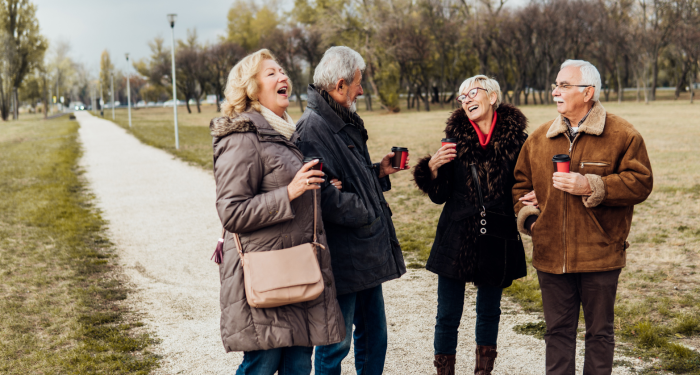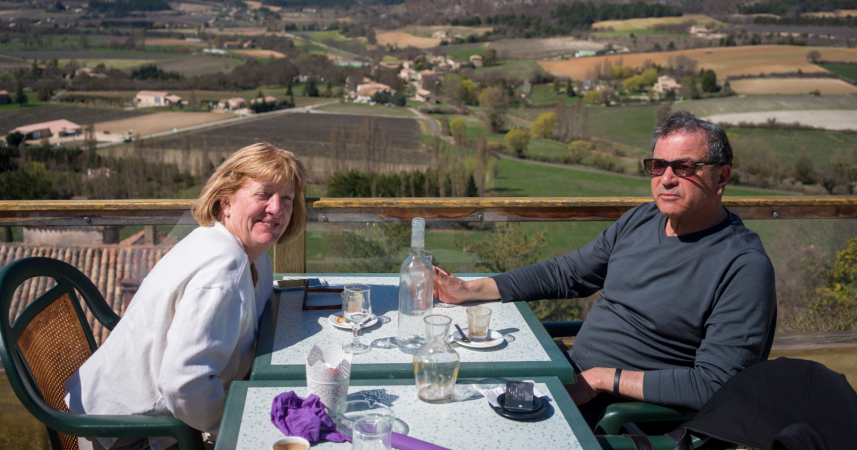
Boomers discovered many of today’s trendiest travel spots long before they became popular. These ten destinations were their quiet gems, and they still offer the kind of meaningful, slow travel we’re all craving now.

Add VegOut to your Google News feed. 
Every generation loves to believe they were the first to explore the world.
Millennials claim Bali as their big discovery. Gen Z insists they single handedly made Portugal cool.
But if you look closely, the quiet truth is that boomers were wandering into these places long before Instagram and cheap flights turned them into travel magnets.
While we were refreshing flight deals and arguing with airline apps, they were taking road trips with handwritten directions and choosing destinations based on word of mouth.
They visited places that did not need branding or influencer campaigns to feel special.
They just showed up, followed their curiosity, and let the places speak for themselves.
Now those once sleepy towns and coastal hideaways have become some of the trendiest spots you see online.
Here are ten of those destinations boomers loved long before everyone else.
1) Algarve, Portugal
Most of us picture the Algarve today as a place filled with dramatic cliffs, pastel houses, and cafés serving açai bowls to sunburned travelers.
But boomers visited when it was far more charming in a quiet way.
They went for long beaches that seemed to stretch forever and for seafood that tasted like it had been caught that morning because it probably had.
Their days were simple. A plate of grilled sardines, a glass of cold vinho verde, and the kind of salty breeze that makes everything taste better.
There were no brunch crowds or TikTok guides. Just raw coastline and peaceful towns that encouraged you to slow down.
Sometimes I think they experienced the Algarve at its best, before the world realized how special it was.
2) Sedona, Arizona
Sedona might seem like a modern spiritual hotspot, but boomers were hiking those red rocks long before vortex tours and crystal shops took over.
They visited when Sedona still felt like a desert town with surprisingly good art galleries and endless trails that led you into silence.
Back then, the draw was simple. Clean air. Massive red rock formations. Sunsets that made you stop talking for a minute because the sky looked unreal.
My first time in Sedona, I remember thinking it felt like being on another planet, but in a soothing way.
Boomers knew that feeling well. They were chasing views of nature long before the wellness trend turned Sedona into a brand.
3) Lake Como, Italy
Today, Lake Como is the ultimate symbol of European elegance. Linen outfits. Waterfront villas. Boats that look like they belong in a movie.
But boomers fell in love with Como when it was far more down-to-earth.
Many of them visited on low-budget European trips.
They stayed in small pensions run by families who cooked simple meals with regional ingredients and poured house wine that came in unlabeled bottles.
They spent afternoons wandering cobblestone lanes, chatting with locals, and watching small fishing boats glide across the water.
There was nothing performative about it. Nothing curated. Just a lake, a village, and a pace of life that seemed to whisper that everything was going to be okay.
Honestly, that version of Como sounds perfect.
4) Chiang Mai, Thailand
Chiang Mai is now a favorite among remote workers and digital nomads. You can find smoothie bars, co-working spaces, and healthy lunch spots on every corner.
But boomers knew it when it was quieter and more traditional.
They went for the temples, the night markets, and the crisp mountain air that made the city feel completely different from Bangkok.
Their Chiang Mai had more stray dogs than influencers and more monks than backpacks. It was slow, peaceful, and deeply connected to its roots.
When I visited, I loved the food scene and the energy, but I kept hearing older travelers describe the Chiang Mai of decades ago.
And I could imagine how magical it felt when the city was still mostly known through stories rather than travel blogs.
5) Cape Town, South Africa

Cape Town feels like a dream on earth. Mountains, beaches, vineyards, and a creative energy that feels electric the moment you arrive.
Boomers knew that long before the rest of the world caught on.
They visited for the culture and the landscape, and they left with stories about the food, the history, and the contrasts that make Cape Town feel alive in a way few cities do.
One of my mentors visited during a long backpacking trip and told me it was the most naturally beautiful city he had ever seen.
This was years before it became a trendy destination for adventurers and food lovers.
He talked about driving along Chapman’s Peak when there were barely any other cars and eating fresh seafood at places that felt like secret discoveries.
Cape Town has earned its spotlight, but boomers saw the magic early.
6) Kyoto, Japan
Kyoto has become one of the most photographed cities in the world. Travelers go for the bamboo groves, the tea houses, and the temples that seem too perfect to be real.
But boomers experienced Kyoto before it became a bucket list destination.
Their Kyoto was quiet. They stayed in ryokans with tatami mats and sliding doors.
They shared meals prepared with incredible attention to detail, sometimes by families who had been cooking those dishes for generations.
They walked through the temple grounds with only a few other visitors around.
They wandered into tea shops where the owners took their time explaining ceremonies.
Kyoto is still breathtaking, but the idea of experiencing it without crowds feels almost unreal. Boomers were lucky to see it that way.
7) Puerto Vallarta, Mexico
Puerto Vallarta today is lively, colorful, and full of great restaurants and beachside resorts.
Boomers remember when it was quieter and more intimate.
In the 60s, it caught global attention after the filming of Night of the Iguana, and curious travelers began to arrive.
Many of those early visitors were boomers who found a small fishing village with warm locals and sunsets that looked like paintings.
They stayed in modest hotels, ate incredible seafood on the beach, and explored streets that felt more like a neighborhood than a tourist zone.
Some destinations grow because they genuinely deserve it. PV is absolutely one of them.
8) Dubrovnik, Croatia
Dubrovnik became massively popular after Game of Thrones turned it into a fantasy backdrop.
But boomers visited when Croatia was still considered an offbeat choice for European travel.
They loved the medieval walls, the stone streets, and the Adriatic water that looked like liquid glass.
Their Dubrovnik did not have cruise crowds or long lines. It had charm, quiet evenings, and seafood restaurants that felt like secrets.
I once spoke to an older traveler who said it felt like discovering a hidden kingdom. I can see why they never forgot it.
9) Vancouver Island, Canada
Before slow living became a trend, boomers were practicing it on Vancouver Island.
They visited for rugged coastline, peaceful forests, and the sense that nature was always within reach.
Their trips were full of long hikes, wildlife sightings, and cozy cabins that encouraged you to unplug before unplugging was a thing.
The island offered a kind of solitude that felt healing, especially if you were coming from a busy city.
It is easy to see why modern travelers have rediscovered it, because Vancouver Island offers the kind of reset most people crave.
10) Mallorca, Spain
Mallorca today is stylish and polished. It has boutique hotels, beach clubs, and farm-to-table restaurants that draw crowds every summer.
Boomers saw a different Mallorca.
They experienced quiet coves, rustic meals, and small towns where locals waved as you biked past.
They stayed in simple guesthouses and explored without needing a list of must-see spots.
Their version of the island was slower and more personal. It was the kind of place you could fall into instead of plan around.
In many ways, they discovered the exact lifestyle that travelers today are trying to recreate.
The bottom line
Boomers experienced these destinations before the rest of the world realized how special they were.
They were not chasing viral photos or curated travel guides. They were chasing curiosity, connection, and the joy of wandering without expectations.
It makes me want to travel with that same mindset. More presence, less pressure. More wandering, less checking boxes.
Because the best stories often come from the places you find by accident, not the ones everyone is already posting about.