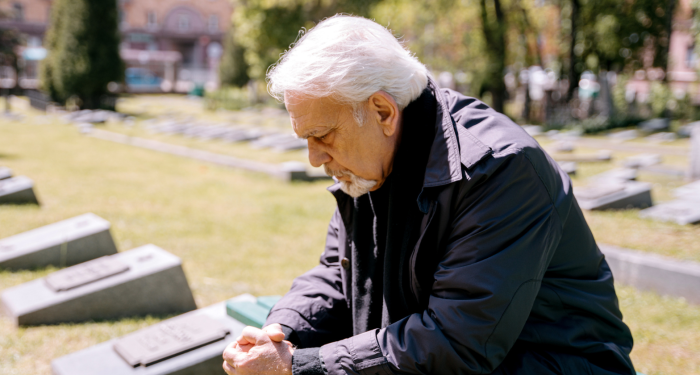
As the years speed by, many people find themselves booking trips they once only dreamed about—pilgrimages to their roots, long-postponed adventures, luxury escapes, spiritual retreats, and family journeys. These aren’t just vacations; they’re urgent attempts to create meaning, repair relationships, and savor beauty before it slips away.
There’s a moment that hits most of us at some point. Maybe it’s when you realize you’re the oldest person at a concert.
Maybe it’s when you look at your calendar and notice more doctor’s appointments than parties. Or maybe it’s when you suddenly feel like time is no longer a limitless resource.
And then? People start booking trips. Big ones. Meaningful ones. The kind of journeys they hope will silence that gnawing voice reminding them of their own mortality.
I’ve seen it with friends. I’ve seen it in myself. And if you’re honest, you’ve probably thought about it too.
Here are seven trips people rush to take when they sense the clock is ticking.
1) The pilgrimage to a place of roots
When people feel time closing in, one of the first instincts is to return to where it all began—or at least where their family story did.
It might be someone flying back to the tiny village in Italy where their grandparents grew up. Or a person heading to the South to walk the land their great-grandparents farmed.
Sometimes it’s about religion—like walking the Camino de Santiago or visiting Mecca.
The psychology behind this is clear: when you sense the future shrinking, you look backward. You try to connect the dots between your life and those who came before you.
I once booked a trip to the Philippines with my mom after my grandfather passed away.
We visited the house where she grew up. It wasn’t glamorous, but standing there felt like I was stitching myself into a bigger story.
And honestly, it mattered more than any luxury resort I’ve stayed at.
2) The long-postponed adventure trip
How many times have you heard someone say, “One day I’ll go skydiving, or hike Kilimanjaro, or scuba dive in the Great Barrier Reef”?
“One day” becomes dangerous language. And when people suddenly realize they may not have unlimited “one days” left, they act.
Adventure trips aren’t really about the destination. They’re about reclaiming vitality. About proving to yourself you still have nerve, muscle, breath.
There’s research showing that physical challenges later in life boost confidence and even extend feelings of youth.
A friend of mine, who swore she was “too old” for strenuous hiking, trekked to Machu Picchu at 52. She came back different—lighter, stronger, more alive.
The trip itself didn’t erase her age. But it erased the belief that aging means giving up on wonder.
3) The luxury escape that always felt “too much”
There’s another common reaction: splurging. People who have been frugal their entire lives suddenly decide it’s time to check into the overwater bungalow in Bora Bora, or take that first-class flight they once dismissed as wasteful.
Why? Because mortality reminds you that you can’t take money with you. And maybe you’ve denied yourself long enough.
I’ve mentioned this before, but I once splurged on a weekend in a five-star Tokyo hotel when a friend dragged me along.
At first, I felt guilty about every detail—the room service, the spa. But then it hit me: the point wasn’t the money, it was the memory. That’s what you’re left with.
And if someone’s waited 30 years to treat themselves? It makes sense they won’t wait any longer.
4) The trip with estranged family or old friends
This one comes with a dose of regret. People often realize too late that they’ve let important relationships drift. And suddenly, time pressures them into action.
So they book trips. A beach week with siblings they haven’t spoken to in years. A road trip with college friends who once felt like family.
Sometimes it works beautifully. Other times, not so much. But the impulse is the same: to repair what might otherwise be permanently lost.
There’s something about being away from home that softens old grudges. Travel creates neutral ground, a reset button.
I once joined a group of old friends in Berlin after years of half-hearted promises. We laughed at how long we had put it off.
If we hadn’t finally done it then, I’m not sure it ever would have happened.
5) The “see it before it’s gone” journey
This is less about personal mortality and more about collective loss.
People rush to places threatened by climate change or overtourism. Glaciers in Iceland. The Great Barrier Reef. Venice before it sinks further.
There’s a mix of urgency and guilt in these trips. We know our presence might contribute to the problem, yet we want to witness beauty before it disappears.
Some argue this is selfish. Others argue it fosters awareness. Personally, standing in front of a melting glacier in Alaska shifted how I thought about my choices as a consumer.
Seeing it firsthand was different from reading about it. It lit a fire under me.
So yes, people book these trips desperately—but sometimes the desperation leads to deeper commitment back home.
6) The spiritual retreat
At some point, a tropical cocktail isn’t enough. People start searching for meaning. That’s when you see the rise in yoga retreats in Bali, meditation centers in India, and ayahuasca journeys in Peru.
The older we get, the more we ask questions: Who am I, really? What matters? How do I deal with fear of the end?
For some, these retreats provide answers—or at least practices for sitting with the questions.
I once attended a silent meditation retreat in California. I didn’t walk away enlightened, but I walked away calmer.
And I noticed that most of the participants weren’t twenty-somethings experimenting with spirituality.
They were forty-, fifty-, and sixty-somethings who realized they had been running too fast, too distracted.
When time feels short, people stop chasing noise and start chasing stillness.
7) The “last big trip” with kids or grandkids
Finally, there’s the multigenerational trip. The one where a parent or grandparent gathers the family and says, “Let’s do this while we still can.”
It might be Disney. It might be a national park. It might be a European river cruise. The location doesn’t matter nearly as much as the togetherness.
These trips are legacy-building. They create stories kids will repeat decades later. They’re about leaving behind more than money—leaving behind a sense of connection.
I’ve seen this firsthand. My aunt flew her whole family to Hawaii when she turned 70. She said, “I want you to remember me laughing with you, not just in pictures on the wall.”
And you know what? We do.
The bottom line
When people sense they’re running out of time, they book trips. Not because travel solves aging, but because it gives them moments that feel timeless.
Roots, adventure, luxury, reconciliation, fragile beauty, spirituality, family—these are the currencies of meaning.
The real question isn’t which of these trips you’ll eventually take. It’s why you’re waiting.
What’s Your Plant-Powered Archetype?
Ever wonder what your everyday habits say about your deeper purpose—and how they ripple out to impact the planet?
This 90-second quiz reveals the plant-powered role you’re here to play, and the tiny shift that makes it even more powerful.
12 fun questions. Instant results. Surprisingly accurate.