From ancient temple cuisine to street food paradise, these destinations make veganism feel less like a lifestyle choice and more like the obvious default.

Add VegOut to your Google News feed. 
There's a moment every traveling vegan knows well. You're standing in a foreign restaurant, phone in hand, desperately trying to translate "no fish sauce" while the server waits with diminishing patience. It's humbling.
Sometimes it's hilarious. Occasionally it ends with you eating plain rice for the third day straight.
But here's the thing. Some countries flip that script entirely. In certain corners of the world, plant-based eating isn't some niche dietary restriction you have to explain and defend. It's just how people eat. The infrastructure exists. The flavors are dialed in. The cultural momentum is already there.
Whether it's religious tradition, agricultural history, or a forward-thinking food scene, these seven countries make veganism feel less like swimming upstream and more like floating with the current. Pack your bags and your appetite.
1) India
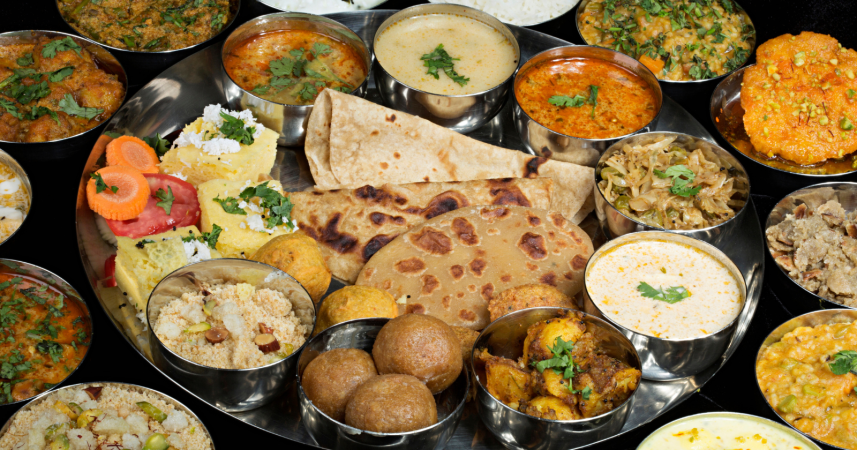
Let's start with the obvious heavyweight. India has the largest vegetarian population on Earth, with estimates suggesting around 30 to 40 percent of the country follows a meat-free diet. That's hundreds of millions of people. The infrastructure isn't just present. It's ancient and deeply sophisticated.
Walk into almost any restaurant and you'll find menus divided into "veg" and "non-veg" sections. The veg options aren't afterthoughts or sad salads. We're talking about complex curries, perfectly spiced dals, crispy dosas, and street food that'll rewire your understanding of flavor.
Dairy is common in traditional cooking, but asking for dishes without ghee or paneer is increasingly normal in urban areas.
The regional variety is staggering too. South Indian cuisine leans heavily on coconut and rice. Gujarati food brings a sweet-savory balance that's addictive. Rajasthani cooking developed incredible techniques for desert ingredients. You could spend years exploring and never repeat a meal.
2) Taiwan
Taiwan might be the most underrated vegan destination on the planet. Buddhist traditions have created a thriving vegetarian culture here, and the Taiwanese take it seriously. Look for restaurants marked with the swastika symbol, which in this context indicates Buddhist vegetarian cuisine, not its unfortunate Western association.
The concept of "su" food, meaning vegetarian or vegan Buddhist cuisine, has evolved into something remarkable. Mock meats here aren't the rubbery disappointments you might expect. Taiwanese chefs have spent generations perfecting wheat gluten and soy preparations that genuinely satisfy. The textures are on point. The seasonings are complex.
Convenience stores like 7-Eleven stock clearly labeled vegan options. Night markets offer plant-based versions of local favorites. And the dedicated vegan restaurants serve everything from hot pot to elaborate multicourse meals. The Happy Cow app shows over 600 vegan-friendly spots in Taipei alone. That's not a typo.
3) Israel
Tel Aviv has been called the vegan capital of the world, and the numbers back it up. Roughly five percent of Israelis identify as vegan, one of the highest rates globally. But beyond statistics, it's the accessibility that impresses. Plant-based options aren't hidden in specialty shops. They're everywhere.
The Mediterranean and Middle Eastern culinary traditions provide a perfect foundation. Hummus, falafel, shakshuka without eggs, fresh salads with tahini, stuffed grape leaves. These aren't vegan adaptations. They're just food that happens to be plant-based. The baseline cuisine already works.
Modern Israeli chefs have built on this foundation with creativity and ambition. You'll find vegan fine dining, casual cafes, fast food chains with dedicated plant menus, and street vendors who don't blink when you ask about ingredients. The military even offers vegan meal options and leather-free boots. When the army accommodates veganism, you know it's mainstream.
4) Ethiopia
Ethiopian Orthodox Christians observe numerous fasting days throughout the year, sometimes totaling over 200 days annually. During these periods, followers abstain from all animal products. This religious practice has created one of the world's most developed vegan cuisines, and it's been perfected over centuries.
The centerpiece is injera, a spongy sourdough flatbread made from teff flour. It serves as both plate and utensil. You tear off pieces and use them to scoop up various stews and salads arranged on top. The vegan spread, often called "fasting food" or "beyaynetu," typically includes spiced lentils, collard greens, cabbage, chickpea dishes, and more.
The flavors are bold and unfamiliar in the best way. Berbere spice blend brings heat and complexity. Mitmita adds a different kind of fire. And the communal eating style, everyone sharing from one large platter, turns meals into genuine experiences. Ethiopian restaurants worldwide usually offer these fasting options, so you can preview before you travel.
5) Thailand
Thailand requires a bit more navigation than some countries on this list, but the payoff is enormous. The key phrase is "jay" or "jeh," indicating food prepared according to Buddhist principles. During the annual Vegetarian Festival, entire cities transform. Yellow flags mark restaurants serving exclusively plant-based food.
Outside festival season, finding vegan food takes slightly more effort but remains very doable. Street food vendors often cook dishes to order, making customization possible. The phrase "mai sai nam pla" means no fish sauce, and it's worth memorizing. Many curries can be made with vegetable broth instead of shrimp paste if you ask.
The flavors make the effort worthwhile. Thai cuisine balances sweet, sour, salty, and spicy with precision. Pad thai, green curry, mango sticky rice, papaya salad. The plant-based versions sacrifice nothing. Bangkok's Chinatown has entire blocks of vegan restaurants. Chiang Mai's old city caters heavily to health-conscious travelers. The infrastructure exists if you know where to look.
6) Germany
Germany might surprise people on this list, given its reputation for sausages and schnitzel. But modern Germany, particularly Berlin, has embraced plant-based eating with characteristic efficiency. The country now has one of the highest rates of vegan product launches in the world.
Berlin consistently ranks among the most vegan-friendly cities globally. The density of options is remarkable. Fully vegan grocery stores, dedicated plant-based butcher shops, fine dining restaurants, and casual kebab spots all coexist. The city's alternative culture and international population created fertile ground for food innovation.
Beyond Berlin, the trend spreads nationwide. Supermarket chains stock extensive vegan sections. Restaurant menus commonly include plant-based options without making a big deal about it. Even traditional beer halls increasingly offer vegan versions of classic dishes. The German approach is practical and thorough.
Once they decided veganism was worth doing, they built the systems to support it.
7) Singapore
Singapore packs incredible culinary diversity into a tiny city-state. Chinese, Malay, Indian, and Western influences collide in hawker centers and high-end restaurants alike. This multicultural foundation means plant-based options appear across multiple cuisines, often in the same food court.
Little India offers the expected vegetarian abundance. Chinatown features Buddhist restaurants with elaborate mock meat preparations. Malay and Indonesian cuisines contribute tempeh and tofu dishes with complex spice profiles. The variety within a single meal is genuinely exciting.
The government has also positioned Singapore as a hub for food technology innovation. It became the first country to approve lab-grown meat for sale. Plant-based startups receive significant support. The forward-thinking approach suggests the vegan-friendly infrastructure will only improve.
For now, the combination of traditional options and modern innovation makes Singapore remarkably easy to navigate without animal products.
Final thoughts
Travel changes how you think about food. Eating plant-based in these countries isn't about restriction or sacrifice. It's about discovering cuisines that evolved around vegetables, legumes, and grains as the main event. The flavors are complete. The traditions run deep. The options are abundant.
What strikes me most is how normal it all feels. In India, asking for vegetarian food requires no explanation. In Taiwan, vegan convenience store snacks are just snacks. In Ethiopia, the fasting food isn't lesser than the meat dishes. It's equally celebrated, equally complex, equally delicious.
These destinations prove something important. Plant-based eating doesn't have to mean constantly swimming against the current. Sometimes the current already flows your direction. You just have to find the right river. Whether you're planning your next trip or just daydreaming about future adventures, these seven countries belong on your list.
Your taste buds will thank you. Your travel stress levels will drop. And you might just discover that the best vegan food you've ever had was waiting in a place you'd never considered.
If You Were a Healing Herb, Which Would You Be?
Each herb holds a unique kind of magic — soothing, awakening, grounding, or clarifying.
This 9-question quiz reveals the healing plant that mirrors your energy right now and what it says about your natural rhythm.
✨ Instant results. Deeply insightful.

Jordan Cooper
Jordan Cooper is a pop-culture writer and vegan-snack reviewer with roots in music blogging. Known for approachable, insightful prose, Jordan connects modern trends—from K-pop choreography to kombucha fermentation—with thoughtful food commentary. In his downtime, he enjoys photography, experimenting with fermentation recipes, and discovering new indie music playlists.
More Articles by Jordan