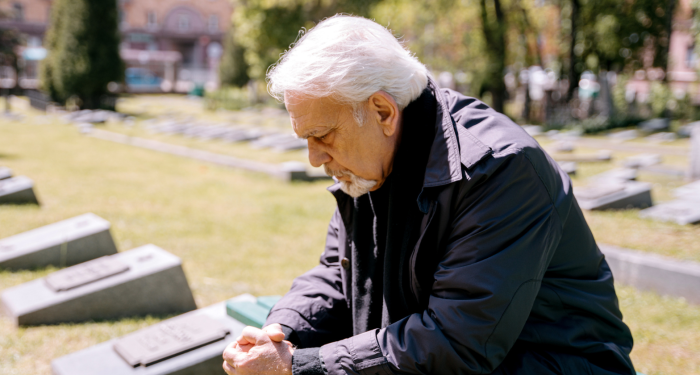
The bitter discovery that retirement and physical ability have different expiration dates.
My father keeps a folder labeled "Someday" in his desk drawer. Inside are yellowed magazine clippings of Machu Picchu, dog-eared guidebooks for the Trans-Siberian Railway, a printed email from 2003 about trekking in Nepal. He's 74 now, with two knee replacements and a heart that requires daily negotiations. The folder hasn't moved in three years.
This is the quietest tragedy of aging: not the trips you took and forgot, but the ones you kept postponing until your knees made the decision for you. Every boomer has their own version of this folder—mental or physical—filled with destinations that shifted from "next year" to "someday" to "if only." The cruelest part is that they had the money when they lacked the time, and now have the time when their bodies have issued non-negotiable vetoes.
1. The Inca Trail to Machu Picchu, Peru
The four-day trek through cloud forests and ancient stone steps was supposed to happen at 60, then 65, then "after the grandkids are older." Now those grandkids are teenagers, and the 26-mile trail at 14,000 feet altitude might as well be on Mars. The tragedy isn't missing Machu Picchu—you can still take the train. It's missing the earned arrival, the sunrise through Inti Punku after days of struggle.
Every boomer knows someone who did it in their 70s, which makes it worse. But they also know their own knees, their own lungs, their own relationship with heights. The window for this particular dream closed while they were looking at their calendar, waiting for the perfect time that never came.
2. The Galápagos Islands, Ecuador
"When we retire," they said, picturing themselves walking among giant tortoises and swimming with sea lions. But the Galápagos requires more than money—it demands physical agility. Getting in and out of zodiacs in choppy water, hiking over volcanic rocks, snorkeling in strong currents. The islands don't accommodate limited mobility.
The particular sting is that this was achievable. Not like Everest Base Camp—just moderately challenging. But moderate challenges become impossible somewhere between 68 and 72, a line you only recognize after you've crossed it. Now they watch documentaries about Darwin's finches from their recliners, wondering if they could have managed it five years ago.
3. Japan's cherry blossom season
They were going to do it properly—follow the sakura forecast north from Kyoto to Hokkaido, stay in ryokans, wake early for temple visits. But Japan requires walking, endless walking, through train stations and gardens and shrines with uncertain surfaces. It demands squatting for traditional toilets, sitting on floors, navigating crowds that move with urgent precision.
The regret is compounded by specificity. Cherry blossom season isn't negotiable—it's two weeks, maybe three. Every spring they didn't go is gone forever. They could still visit Japan, but not the Japan of their imagination, awash in pink petals and possibility.
4. African safari during the Great Migration
The savings account labeled "Africa" has been ready since 2010. But safaris mean bumpy roads for hours, early morning game drives, basic accommodations in remote locations. It means potential medical emergencies far from hospitals, medications that might interact badly with altitude or malaria prophylaxis.
They know people who went at 75, but those people don't have diabetes, don't have back problems, don't have spouses who can no longer handle long flights. The wildebeest will continue their ancient circle without them, a million hooves thundering across the Serengeti while they watch Planet Earth for the hundredth time.
5. The Norwegian fjords by ship
This seemed so doable—a cruise, civilized, with handrails. But the best fjord experiences require getting off the ship: hiking to viewpoints, taking smaller boats into narrow passages, walking medieval streets with uneven stones. The cruise itself is fine, but it's the inaccessible margins where magic lives.
What haunts them is that they almost went in 2019. The brochures were requested, the dates circled. Then someone needed surgery, then COVID happened, then suddenly three years had passed and their travel insurance premiums had doubled. The fjords haven't gone anywhere, but somehow they've moved impossibly far away.
6. New Zealand's South Island
The plan was to rent a campervan and spend a month driving from Christchurch to Queenstown, hiking when they felt like it, stopping at wineries, maybe trying bungee jumping as a joke. But campervans require agility—climbing into beds, dealing with breakdown scenarios, navigating foreign roads on the wrong side.
Friends went last year but stayed in hotels, took tour buses, saw everything through windows. That's not the trip they imagined, the one where they were active participants rather than passengers. The South Island demands engagement, and engagement requires knees that bend, backs that don't spasm, hearts that don't race from minor exertion.
7. India's Golden Triangle
Delhi, Agra, Jaipur—it sounded manageable, even luxurious with the right tour company. But India assaults the senses and challenges the body. The heat, the crowds, the inevitable digestive issues, the walking required even for "easy" tourism. Every surface is a potential fall, every meal a gamble, every bathroom an adventure.
They could still go, theoretically. With enough money, anything is possible—private drivers, five-star hotels, Western food. But that sanitized version isn't the India they wanted to experience. They wanted to walk through spice markets, climb to Tiger Fort, navigate Old Delhi's chaos. That India requires a physical confidence that evaporated somewhere around their 70th birthday.
8. Easter Island's mysterious moai
The most isolated inhabited landmass on Earth was supposed to be their grand adventure, their proof that they were different from other retirees. But Easter Island means long flights with multiple connections, basic infrastructure, limited medical facilities. It means walking over uneven volcanic rock to reach the quarries where the moai were carved.
The window for this was always narrow—it required perfect alignment of health, finances, and courage. They had two of three at various times, never all at once. Now they have none, and the moai stare at the ocean without them, eternal and indifferent to the adventures that never happened.
9. Trans-Siberian Railway
Seven days from Moscow to Vladivostok, watching Russia unfold through a train window. It seemed like the perfect retirement trip—leisurely, seated, romantic. But the Trans-Siberian requires stamina: shared bathrooms, irregular stops, language barriers, unpredictable food, potential medical emergencies in Siberia.
This is the one that hurts most because it should have been possible. They speak enough Russian from their college days, they love trains, they have the time. But somewhere between planning and booking, their risk tolerance evaporated. The what-ifs multiplied faster than the reassurances. The train continues its journey across the steppes, carrying younger dreamers who don't yet know what they're capable of losing.
Final thoughts
The cruelest part about these regrets isn't the destinations themselves—it's the assumption that there would always be time. Boomers spent decades believing retirement would be their travel renaissance, not understanding that adventures have expiration dates written in cartilage and bone density.
They did everything right: saved money, raised children, built careers, waited for the "perfect time." But the perfect time was always earlier than they thought. It was when their kids were young and they felt guilty leaving. It was during their 50s when work seemed too important. It was at 60 when they still felt immortal but thought they should wait for full retirement.
Now they know what their parents couldn't tell them: the window between having money and having mobility is narrower than anyone admits. The travel industry sells retirement dreams to 40-year-olds who picture themselves at 70 with the energy they had at 30. Nobody mentions that your body starts issuing travel restrictions long before your passport expires.
The folder in my father's desk drawer isn't really about travel. It's about the future he thought he was guaranteed, the person he assumed he'd still be. Those clippings aren't destinations anymore—they're epitaphs for the adventures that died of postponement, monuments to the dangerous assumption that strength, like time, is renewable.
What’s Your Plant-Powered Archetype?
Ever wonder what your everyday habits say about your deeper purpose—and how they ripple out to impact the planet?
This 90-second quiz reveals the plant-powered role you’re here to play, and the tiny shift that makes it even more powerful.
12 fun questions. Instant results. Surprisingly accurate.