These bucket-list experiences look magical in the moment but leave lasting damage you never see.
I'll never forget the Instagram post that made me stop scrolling.
A friend from college, beaming on an elephant's back in Thailand, caption full of gratitude and wonder. The comments were all heart emojis and "bucket list goals."
I didn't comment. Because six months earlier, I'd read about what happens behind the scenes at those camps. The training methods. The injuries. The shortened lifespans.
Here's the uncomfortable truth: some of the most popular tourist activities are environmental disasters disguised as harmless fun. We book them thinking we're creating memories. We're actually funding practices that are quietly destroying ecosystems and harming animals.
The tourism industry banks on our ignorance. These activities look innocent. They feel magical in the moment. And that's exactly the problem.
1) Elephant riding
Riding an elephant feels like a once-in-a-lifetime experience. You're sitting on top of one of nature's most magnificent creatures, swaying gently through a jungle or along a beach. It photographs beautifully. It feels profound.
But elephants aren't built to carry people. Their spines can't handle the weight of the wooden seats and multiple tourists. The damage is cumulative and causes chronic pain and injury over time.
The training process is worse. Many elephants used in tourism are captured from the wild as babies, separated from their families, and subjected to a process called "crushing." It's exactly as brutal as it sounds. The goal is to break their spirit so they'll obey human commands.
Even in camps that claim to be ethical, the elephants rarely live in conditions that meet their needs. They're restricted in movement, socially isolated, and work long hours in heat. Their stress levels are measurable and constant.
Thailand, Cambodia, and Sri Lanka have the highest concentration of these operations. The demand is entirely tourist-driven. When we stop buying tickets, the practice stops being profitable.
2) Swimming with captive dolphins
Dolphins are intelligent, social, and charismatic. Swimming with them feels like connecting with another consciousness. Places in Mexico, the Caribbean, and Dubai have built entire business models around this desire.
But captive dolphins live in conditions that would be considered cruel for almost any other animal. The pools are a fraction of the size of their natural range. The water is treated with chemicals that damage their skin and immune systems. The constant interaction with humans is stressful and unnatural.
Many of these dolphins are wild-caught, which means their removal damages the social structure of wild pods. Dolphins have complex family bonds and communication systems. Taking one animal affects the entire group.
The "tricks" they perform aren't natural behaviors. They're trained through food deprivation and repetition. The smiling face we interpret as happiness is just how their mouths are shaped. Researchers who study dolphin welfare report high rates of stress, illness, and shortened lifespans in captivity.
There are places where you can see dolphins in the wild, on their terms, without contributing to this industry. That's the experience worth seeking out.
3) Touching, stepping on, or anchoring near coral
Coral reefs look solid and rock-like, so it's easy to understand why people think they can touch them or stand on them for photos. Tour operators anchor boats directly over reefs. Snorkelers grab coral to steady themselves in currents.
But here's what you might not be aware of -- each touch kills living organisms. Coral isn't rock. It's made of thousands of tiny animals called polyps, and they're extraordinarily fragile. A single touch can damage tissue that took decades to grow.
The bigger problem is sunscreen. Most conventional sunscreens contain chemicals like oxybenzone that cause coral bleaching even in tiny concentrations. When you swim in reef areas with sunscreen on, you're releasing those chemicals directly into the ecosystem.
Boat anchors are catastrophic. They crush and break coral structures that serve as homes and feeding grounds for thousands of species. Once broken, coral takes years or decades to recover, if it recovers at all.
Thailand, the Maldives, and the Philippines have some of the world's most beautiful reefs. They're also some of the most damaged by tourism.
The solution is simple: look but don't touch, use reef-safe sunscreen, and only book operators who use mooring buoys instead of anchors.
4) Sky lantern releases
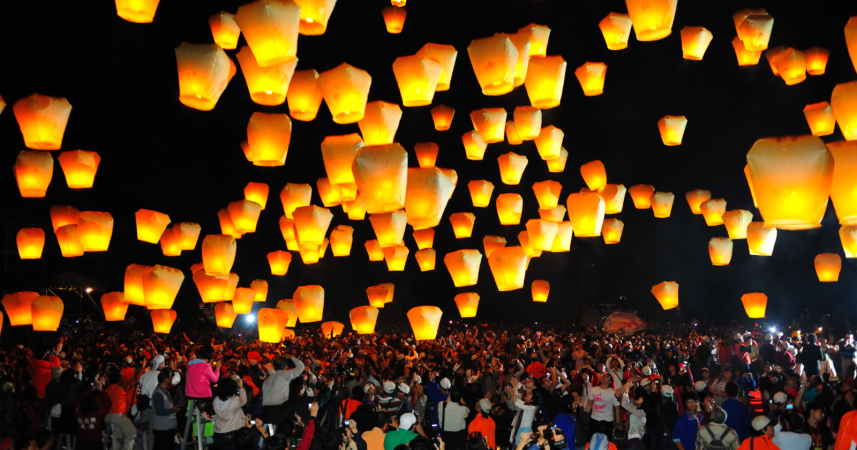
There's something undeniably beautiful about watching hundreds of glowing lanterns float into the night sky. Taiwan and Thailand host famous festivals built around this tradition. It's become a popular addition to weddings and celebrations globally.
But think about this: what goes up must come down. And when those lanterns fall, they become litter. The paper might eventually biodegrade, but the metal wire frames don't. They fall into forests, oceans, fields, and urban areas.
Wildlife gets tangled in the wire frames. Birds, sea turtles, and land animals suffer injuries or slow deaths from entanglement. Farmers find lanterns in their fields, the wire frames damaging equipment or injuring livestock.
The fire risk is real and significant as well. These are literally flaming objects falling from the sky. They've started wildfires, damaged property, and created hazards in agricultural areas during dry seasons.
Some regions have banned sky lanterns entirely because the environmental cost is too high. The temporary beauty doesn't justify the lasting damage.
5) ATV tours on beaches and sand dunes
ATV tours promise adventure and speed. Riding over sand dunes or along beaches feels liberating. Vietnam, Mexico, and coastal areas in the U.S. offer these experiences to thousands of tourists annually.
But beaches and dunes are ecosystems, not racetracks. Sea turtles bury their eggs in beach sand. Shorebirds nest in dunes. The vegetation that holds dunes together is fragile and takes years to regrow once destroyed.
ATVs crush everything in their path. Turtle nests. Bird eggs. Plant roots. The noise alone is enough to scare wildlife away from critical feeding and breeding areas. Animals that would normally use these spaces avoid them entirely when ATV traffic is constant.
There's also the contamination issue. ATVs leak fuel and oil. When that happens on sand, it seeps down into the substrate and makes its way into groundwater and the ocean. The chemicals harm everything from microorganisms to larger marine life.
The thrill of an ATV ride lasts an afternoon. The ecological damage lasts for seasons or years.
6) Feeding wildlife for photos
Monkeys taking food from your hand. Birds landing on your arm. It's a moment of connection that translates beautifully on social media, doesn't it? Places like Bali's Monkey Forest, sites throughout Thailand, and various locations in Morocco have built tourism around this interaction.
The problem is that human food isn't wildlife food. Animals that become dependent on tourist feeding stop foraging naturally. They develop malnutrition from diets heavy in bread, chips, and sugary snacks. Their health declines over time.
Feeding also changes behavior. Animals become aggressive when they expect food from humans. That leads to bites, scratches, and attacks. It creates conflict that often ends with animals being relocated or killed.
Then there's disease transmission. Diseases can pass between humans and wildlife through close contact and shared food. This isn't theoretical. It's documented and happens regularly in popular tourist feeding spots.
Wildlife is healthiest when it's wild. The best photos are the ones taken from a distance, observing natural behavior instead of creating artificial interactions.
7) Jet skiing in marine parks
Jet skiing is pure adrenaline. You're skimming across water at high speed, jumping waves, feeling completely free. Popular spots in Florida, Croatia, and Bali offer rentals in areas that are also home to sensitive marine life.
The noise is the first problem. Jet skis are loud underwater. Marine animals like dolphins, manatees, and sea turtles rely on sound for communication, navigation, and finding food. The constant engine noise disrupts all of that. It causes stress and drives animals away from areas they need for survival.
Fuel and oil leaks are inevitable with engine-powered watercraft. Even small amounts of petroleum contaminate water and harm marine ecosystems. Fish, coral, and other organisms are affected by chemicals in the water.
Then there are collisions. Jet skiers going fast in areas with marine life create real risks of hitting animals. Manatees are particularly vulnerable because they're slow-moving and often near the surface. Collisions cause serious injuries and deaths.
Marine parks exist because the areas need protection. Jet skiing in them contradicts the entire purpose of that protection.
8) Glacial hiking or ice cave tours
Glaciers are stunning. The blue ice, the scale, the feeling of standing on something ancient. Iceland, Alaska, and Patagonia offer tours that let you walk on glaciers and explore ice caves. The photos are unlike anything else.
But glaciers are incredibly sensitive to human impact. Heavy foot traffic contributes to surface melting. Thousands of people walking the same routes creates heat and erosion that accelerates ice loss.
In a time when glaciers are already retreating at alarming rates, tourism adds to the problem.
Many glacier tours involve helicopter transport. Helicopters deposit black carbon on ice surfaces. Black carbon absorbs heat and speeds up melting. It's a direct contribution to glacier loss.
Then there's trash. People drop things, leave things behind, and those items become embedded in the ice as it shifts and moves. As glaciers recede, decades of accumulated tourism trash becomes visible.
Glaciers are climate indicators. They're melting because of global warming, and tourism is adding a small but measurable amount of additional stress to systems that are already in crisis.
9) Engine-powered mangrove tours
Mangrove forests are otherworldly. Narrow channels wind through twisted roots, and the water teems with life. Thailand, Vietnam, and Mexico offer boat tours through these areas, marketed as wildlife viewing and nature experiences.
The problem is, mangroves are extremely fragile. The roots that make them look so interesting are also what holds the entire ecosystem together.
Boat engines erode those roots. The prop wash and wake disturb sediment and muddy the water, which affects visibility and oxygen levels for everything living there.
Fuel leaks are common with small tour boats, and the contamination is particularly harmful in mangroves because they serve as nurseries for fish, crabs, and other marine species. Polluted water means those young animals don't survive.
The noise disrupts wildlife in one of the planet's most important coastal ecosystems. Mangroves protect coastlines from storms, filter water, store carbon, and provide habitat for countless species. Engine-powered tours damage all of those functions.
There are ways to explore mangroves responsibly. Kayaks and paddleboards let you move through the same spaces silently, without fuel, and without erosion. The experience is actually better because wildlife doesn't flee from the noise.
Conclusion
I'm not telling you to stop traveling. I'm suggesting we travel differently.
Every activity I've described is still offered because tourists keep buying tickets. We see beautiful marketing photos, read glowing reviews, and assume if it's popular, it must be okay. But popularity doesn't equal ethical.
The good news is that for almost every destructive activity, there's a better alternative.
Ethical elephant sanctuaries where you observe without riding. Wild dolphin watching. Reef viewing with proper education. Biodegradable alternatives to sky lanterns. Hiking instead of ATVs. Wildlife observation from a distance. Sailing and kayaking instead of jet skis and motor boats.
These alternatives often provide better experiences because they're based on respect rather than exploitation. You see animals behaving naturally. You leave places as you found them. You come home with memories and photos that you don't have to feel guilty about later.
The tourism industry will change when we demand it. Until then, the power is in your wallet and your choices. Before you book anything involving animals or fragile ecosystems, do five minutes of research. Ask questions. Look for red flags.
The planet doesn't need perfect tourists. It needs thoughtful ones.
What’s Your Plant-Powered Archetype?
Ever wonder what your everyday habits say about your deeper purpose—and how they ripple out to impact the planet?
This 90-second quiz reveals the plant-powered role you’re here to play, and the tiny shift that makes it even more powerful.
12 fun questions. Instant results. Surprisingly accurate.