The slow food movement started as culinary protest and became a framework for understanding what's worth protecting.
Slow food isn't just about taking your time with a meal.
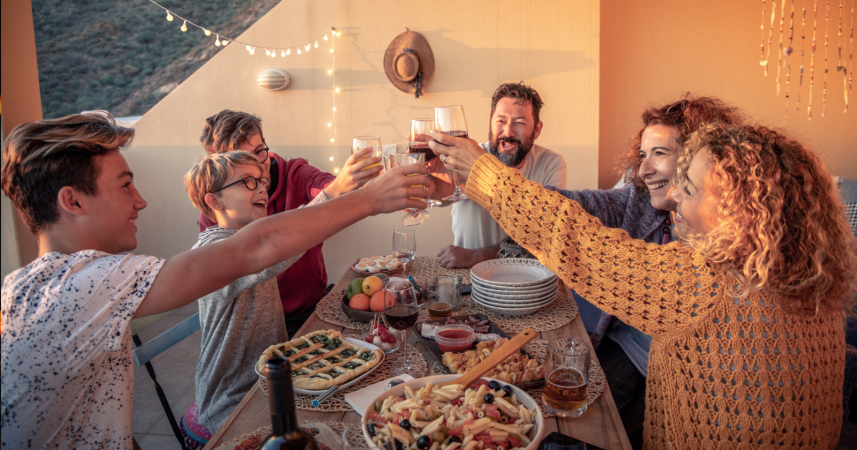
It's a complete rejection of the idea that eating is just fuel delivery. In slow food capitals, meals are social infrastructure, cultural touchstones, and non-negotiable parts of the day that everything else has to work around.
The slow food movement emerged in Italy in the 1980s as a direct response to the opening of a McDonald's near the Spanish Steps in Rome.
But what started as culinary protest has become something bigger: a framework for understanding that speed isn't always efficiency, and that some things actually work better when you refuse to rush them.
In true slow food cities, restaurants don't apologize for long service. Shops close for lunch. Business meetings pause for proper meals. And suggesting that someone eat quickly is treated roughly the same as suggesting they skip breathing to save time.
These seven cities have built their entire food cultures around the radical idea that mealtime is sacred, and rushing through it is not only rude but a fundamental misunderstanding of what food is for.
1) Bologna, Italy
Walk through Bologna's porticoed streets around 1 PM, and you'll notice something strange by American standards: the city essentially stops.
This isn't laziness. It's priorities.
Bologna earned its "La Grassa" (the fat one) nickname for a reason. The birthplace of tortellini, tagliatelle al ragù, and mortadella doesn't mess around when it comes to mealtime. Lunch here routinely stretches past two hours, and nobody's checking their watch apologetically.
The Bolognese will spend 45 minutes on a pasta course alone, not because the service is slow, but because that's how long good conversation takes. The food is almost secondary to the ritual of gathering, talking, and treating the meal as the day's anchor point rather than an interruption.
What struck me most when I visited wasn't just the food quality but the complete absence of guilt around taking time. No one was sneaking glances at their phone or apologizing for ordering another course.
2) Lyon, France
Lyon's bouchons, those traditional working-class restaurants, operate on a simple principle: if you're in a hurry, eat somewhere else.
These are neighborhood spots where locals have been gathering for generations, and the pace reflects an understanding that food is community property, not individual consumption.
A typical bouchon meal involves multiple courses served at whatever pace the kitchen deems appropriate. Your waiter isn't being rude when they don't rush over with the check. They're assuming you're a functional adult who will ask when you're ready to leave.
The city has built its entire culinary identity around this resistance to speed. Paul Bocuse, the legendary chef who defined modern French cuisine, was Lyon-born and spent his career arguing that great food cannot be rushed, not in preparation and not in consumption.
Lyon treats meals as non-negotiable time blocks in the day. Business meetings pause for lunch. Shops close for two hours. The whole city agrees that nothing is so urgent it can't wait while you properly enjoy your quenelle de brochet.
3) San Sebastian, Spain
The Basque concept of "txikiteo," the tradition of hopping between bars for small plates and drinks, sounds fast-paced on paper. In practice, it's the opposite.
San Sebastian has more Michelin stars per capita than anywhere except Kyoto, but the real food culture happens in the pintxos bars of the old town, where locals spend entire evenings moving at a glacial pace between spots separated by maybe 50 feet.
You order one pintxo, one small glass of wine, and you stand at the bar talking for 30 minutes. Then you move next door and repeat.
A "quick bite" easily becomes a four-hour social marathon, and anyone trying to speed-run the experience gets politely ignored by bartenders who refuse to be rushed.
One of the most valuable lessons from my travels has been recognizing that different cultures solve the same problems in radically different ways. San Sebastian solved the "we're too busy for long meals" problem by making the meal mobile but no faster. Genius.
What makes this work is the complete cultural agreement that eating is a social act first and nutrition second. You're not there to efficiently consume calories. You're there to be present with people while food happens to be involved.
4) Oaxaca, Mexico
Oaxaca operates on "comida time," and if you don't understand what that means, you'll spend your first few days there frustrated.
The main meal happens between 2 and 5 PM. Not at 2. Not by 5. Between.
Restaurants fill up slowly, meals unfold over multiple courses, and the idea of grabbing lunch and getting back to work in under an hour is treated as a symptom of a disordered mind.
The mercados sell some of the most complex moles you'll find anywhere, sauces that take days to prepare and involve 30+ ingredients. You don't eat that quickly. The food itself demands slow consumption, and the culture has organized around this reality rather than fighting it.
Street vendors selling tlayudas make each order from scratch, and they'll chat with you while they work, utterly unconcerned with the line forming behind you. Because the line knows how this works. Everyone gets their turn to be unhurried.
The Oaxacan approach to meals reflects a broader philosophy I've noticed in behavioral research: when you design systems around human needs instead of industrial efficiency, people are generally happier, even if they're moving slower.
5) Copenhagen, Denmark
Copenhagen's relationship with slow food surprised me because it exists within Northern European efficiency culture, which typically treats lingering over meals as vaguely suspicious.
But the New Nordic food movement that emerged from Copenhagen in the early 2000s built slowness into its core philosophy.
Restaurants like Noma made 20-course tasting menus lasting four hours not just acceptable but celebrated, and that attitude trickled down into everyday food culture.
The city's café culture encourages "hygge," that untranslatable concept of cozy contentment, which is fundamentally incompatible with rushing.
Coffee shops expect you to occupy a table for hours with a single coffee, and nobody makes passive-aggressive comments about needing the seat.
In fact, Sunday brunch in Copenhagen can easily stretch to 2 PM. Danes treat the weekend morning meal as protected time, and restaurants respond by refusing to turn tables quickly. Instead of trying to maximize covers, they'd rather create space for people to actually relax.
What fascinates me about Copenhagen is how it maintains this slow food culture despite being expensive and productivity-focused in other ways. It suggests that protecting mealtime from speed isn't about being poor or rural or technologically backward. It's a choice.
6) Kyoto, Japan
Kyoto's kaiseki restaurants serve meals that can take three hours, and that's for maybe eight courses of food that would fit in your palm.
In other words, this isn't about quantity. It's about presence.
Each course arrives precisely when the chef decides you're ready for it, based on their observation of your pace. The intervals between courses are long, deliberately so, to give you time to appreciate what you just ate before moving to the next experience.
Tea ceremonies in Kyoto operate on similar principles. A formal tea ceremony takes four hours. You're consuming maybe a cup of tea and a small sweet. The rest is ritual, attention, and the radical act of being completely present for something as simple as drinking tea.
The Kyoto approach to food reflects a broader Japanese concept of "ma," the space between things. That space isn't empty or wasted. It's where meaning lives. Rushing eliminates ma, and with it, much of what makes the experience worthwhile.
Western fast-food chains exist in Kyoto, but watching locals eat there is instructive. Even at McDonald's, people tend to sit longer, eat more slowly, treat the meal as a discrete event rather than something happening while they do other things.
7) Melbourne, Australia
Melbourne's café culture rivals any European city, but what makes it a slow food capital isn't the quality of the coffee but the social permission to linger.
"Smashed avo on toast" became a global meme, but the reality behind it is that Melburnians will spend two hours at brunch on a weekday morning, and nobody thinks this is strange. Cafés expect it. They design seating for long stays, not quick turnover.
The city's laneway bars and restaurants operate on a similar principle. You can't rush through a meal when the restaurant seats 20 people and doesn't take reservations. You show up, you wait, you eat slowly, and you leave when you're done, not when someone needs your table.
What Melbourne gets right is making slow food accessible rather than elite. You don't need to spend $200 at a fancy restaurant to experience unhurried eating. You can do it at a neighborhood café over a $15 breakfast, and the experience is treated with the same respect.
The Melbourne approach suggests that slow food isn't about fancy ingredients or complex preparation. It's about collective agreement that meals deserve time, and that giving them time isn't indulgent but basic human decency.
Conclusion
These cities haven't preserved slow food culture by accident or because they're stuck in the past. They've made active choices to resist the pressure to treat meals as efficient fuel delivery systems.
What strikes me most is how little sacrifice this actually requires. You're eating anyway. The food takes roughly the same time to consume whether you're stressed about it or not. The difference is entirely in how we frame the experience.
Maybe the real question isn't whether we can afford to slow down around food. Maybe it's whether we can afford not to, given that meals are some of the few remaining occasions when we're supposed to be present with other humans or even just with ourselves.
These seven cities figured that out. The rest of us are still learning.
If You Were a Healing Herb, Which Would You Be?
Each herb holds a unique kind of magic — soothing, awakening, grounding, or clarifying.
This 9-question quiz reveals the healing plant that mirrors your energy right now and what it says about your natural rhythm.
✨ Instant results. Deeply insightful.