Researchers ranked the world’s safest cities for walking — and the results might surprise you. From Vienna to Tokyo, these eight cities show what happens when safety, design, and community come together. Here’s why they ranked so highly and what each one can teach us about slowing down and moving with confidence.
I love walking.
When I travel, I often skip taxis, stroll through neighborhoods, duck into cafés, and let the city reveal itself one step at a time.
My years in luxury F&B taught me something important: the richest experiences are often the simplest ones.
A well-made dish, a thoughtfully designed space, a city you can walk through at dusk and feel safe — that’s real luxury.
Recently, I came across research ranking the world’s safest cities for walking. It got me thinking.
Safety, walkability, and comfort go hand in hand. If you can walk without fear, you feel connected, alive, and free from that constant sense of needing to be on guard.
Here are eight cities that consistently appear at the top of walkability and safety rankings.
Each one has something to teach us — not just about urban design, but about how we can make our own daily lives calmer, more grounded, and more enjoyable.
1) Vienna, Austria
Vienna often tops global lists for safety and livability.
According to the Economist Intelligence Unit’s Global Liveability Index, Vienna ranks among the world’s best for stability, infrastructure, and personal security.
It’s not hard to see why. Wide sidewalks, intuitive crosswalks, and beautifully maintained streets make walking here both relaxing and reliable.
I remember walking through Vienna’s 9th district one evening and realizing how different it felt compared to many cities.
I wasn’t tense. I wasn’t checking over my shoulder. I was just… there — taking it in.
When a city is this safe to walk in, you stop focusing on what could go wrong and start noticing what’s around you.
2) Copenhagen, Denmark
Copenhagen has built its identity around people, not cars.
It’s long been known as one of Europe’s most walkable and bike-friendly cities. The streets are clean, the pace is calm, and pedestrian zones are treated like extensions of community life.
You can walk to grab a coffee, meet a friend, or explore an art market — and you rarely have to worry about traffic chaos or poor lighting.
For me, the biggest takeaway from Copenhagen isn’t just its design but its mindset. When a city values walking, people move more slowly, notice more, and connect better.
You don’t need to move to Denmark to adopt that mindset. Try designing your own “walk-first” lifestyle — even if it’s just choosing to walk for groceries or your morning coffee.
3) Zurich, Switzerland
Zurich doesn’t always get flashy headlines, but it’s quietly one of the most pedestrian-friendly cities in the world.
Its compact city center, efficient traffic management, and well-lit sidewalks make walking feel natural and safe.
What stood out to me when I visited was how calm it all felt. No honking, no rush. Just people moving at a steady rhythm.
When your environment feels safe, your thoughts do too. You walk more slowly, breathe more deeply, and notice the sound of your footsteps instead of your heartbeat.
That kind of peace changes how you experience your day.
4) Munich, Germany
Munich consistently ranks high for both walkability and safety.
The mix of historical streets, parks, and modern infrastructure gives it a balanced energy — vibrant but secure.
I spent one evening wandering through the Englischer Garten, a massive public park in the heart of the city.
Families strolled, couples picnicked, and joggers passed by — all in an atmosphere of quiet ease.
That’s what a safe walking city does: it invites you to belong.
Even if you live somewhere busier, you can bring that same sense of peace into your life.
Find your own “Munich moment” — a route or park where walking feels like rest instead of effort.
5) Toronto, Canada
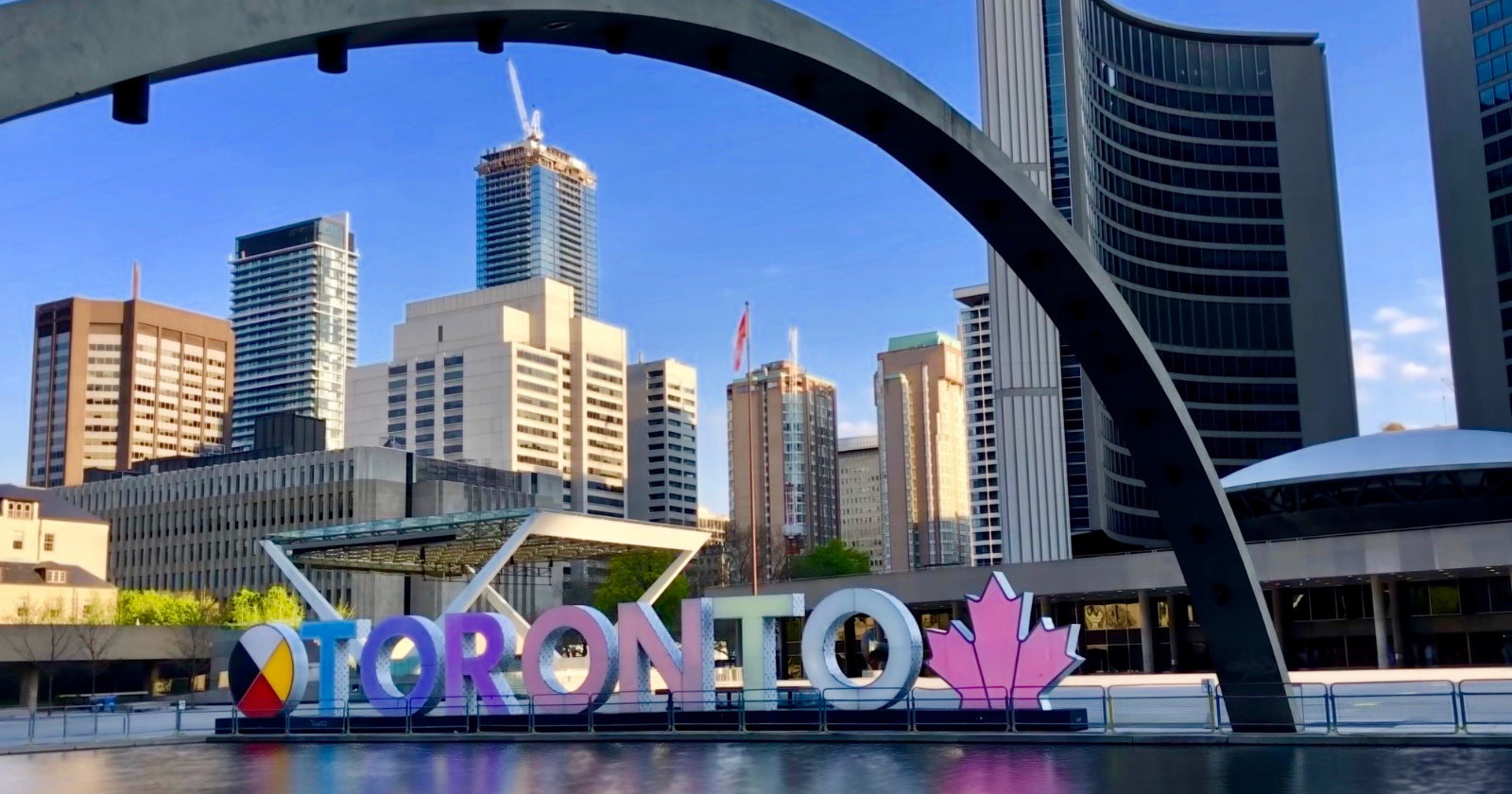
When it comes to safety and pedestrian infrastructure, Canada performs well overall — and Toronto is a great example of that.
It’s a city that feels big but moves at a human scale. Streets are wide and well-lit, sidewalks are clean, and most neighborhoods have reliable public transit within reach.
What I love most about Toronto is that it feels both energetic and approachable.
You can be downtown in a crowd one moment, and in a quiet residential area just minutes later.
That balance matters.
Safe walking isn’t only about low crime — it’s about environments that let you shift from stimulation to stillness whenever you need.
6) Tokyo, Japan
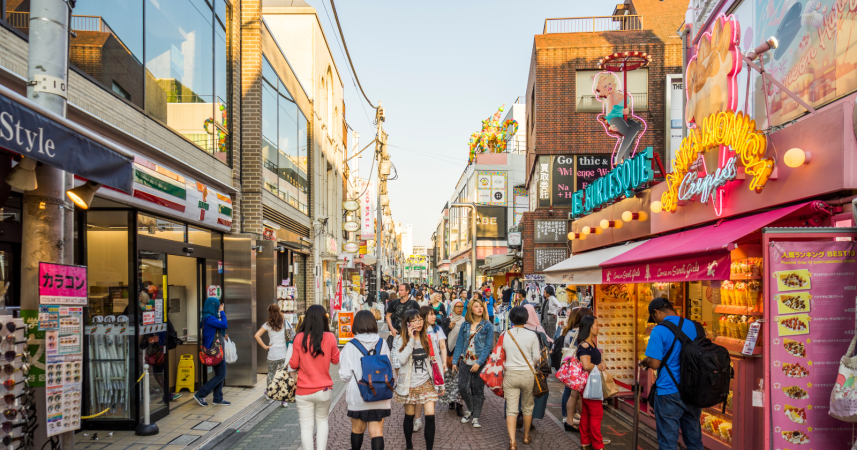
Tokyo is often described as one of the safest major cities in the world, and for good reason.
Its streets are meticulously maintained, pedestrian crossings are clear, and even at night, many neighborhoods feel secure enough to explore alone.
When I first walked through Shinjuku late in the evening, what struck me wasn’t just the order — it was the respect. Everyone moves with awareness.
There’s a shared sense of responsibility for keeping public spaces safe and functional.
That kind of culture doesn’t happen overnight. It’s built on trust, consistency, and shared values.
In your own life, that’s worth remembering. True safety doesn’t come from walls or warnings — it comes from care, awareness, and mutual respect.
7) Helsinki, Finland
Helsinki has earned its reputation as one of the safest and most liveable cities in the world.
Even during long, dark winters, the city invests heavily in pedestrian safety — from heated sidewalks that prevent ice buildup to well-lit crosswalks that make evening walks less intimidating.
The result is a place where walking feels accessible year-round.
For me, Helsinki represents a deeper principle: safety shouldn’t depend on the season. It should be a constant part of everyday life.
Wherever you live, notice when and where you stop walking.
If shorter days or busy roads prompt you to stay indoors, perhaps it’s time to adjust your routes or schedule to make walking feel safe again.
8) Adelaide, Australia
Adelaide might not be the first name that comes to mind when you think of “safe walking cities,” but it consistently performs well in international rankings.
It’s smaller and calmer than Sydney or Melbourne, which makes it more approachable.
The city’s layout is simple, the streets are well-lit, and pedestrian routes connect seamlessly to parks and transit.
When I visited, I noticed that Adelaide’s charm comes from its scale. You don’t need to rush or fight crowds — everything feels within reach.
That’s the hidden luxury of a walkable city: time slows down. You notice things again. You feel grounded.
And in a world that moves too fast, that’s a gift.
Why walking safely matters
Walking safely isn’t just a convenience — it’s a quality-of-life multiplier.
When you feel comfortable walking, you move more, think more clearly, and connect more deeply with the world around you.
For me, walking has always been a mental reset. It’s the time when ideas surface, stress dissolves, and I notice the small details that daily busyness hides.
Research backs this up. Studies show that walkable cities tend to have lower stress levels, better mental health, and stronger community ties. People interact more when they feel safe outside.
That sense of comfort spills into every other part of life. You make better decisions when you aren’t rushing or anxious.
You feel more grounded when your environment supports your movement.
How to make your own city more walkable
Even if you don’t live in one of these eight cities, you can still bring the spirit of walkability into your daily life.
Start by choosing one route that feels safe and comfortable — maybe it’s to a park, a café, or a friend’s house.
Walk it often. Notice what works and what doesn’t.
If lighting feels poor, advocate for change. If sidewalks are uneven, report them. If you love a certain area, spend more time there.
The more visible pedestrians are, the more cities prioritize them.
You might not transform your entire city overnight, but you’ll transform how you experience it.
Final words
These eight cities — from Vienna to Adelaide — prove that safe walking isn’t a luxury. It’s a human need.
When streets feel safe, people walk more. When people walk more, they connect more. And that creates cities that feel alive, welcoming, and deeply human.
If you ever get the chance to visit one of these places, take it. Walk their streets. Feel the difference.
And when you come home, remember: you don’t need to be in Vienna or Tokyo to reclaim that feeling.
You just need to choose presence over speed, awareness over distraction, and trust over fear.
Because the safest walk you’ll ever take is the one where you feel fully at ease — wherever your feet happen to be.
What’s Your Plant-Powered Archetype?
Ever wonder what your everyday habits say about your deeper purpose—and how they ripple out to impact the planet?
This 90-second quiz reveals the plant-powered role you’re here to play, and the tiny shift that makes it even more powerful.
12 fun questions. Instant results. Surprisingly accurate.