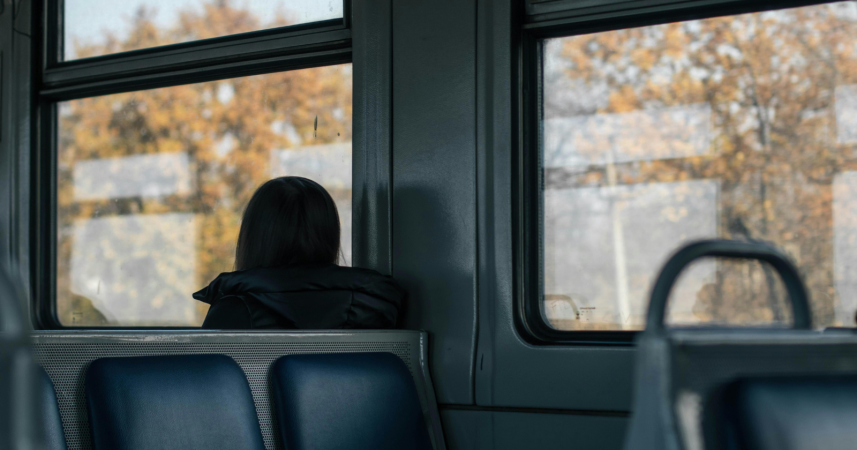
Three easy, affordable rail rides turn October’s golden light into a moving postcard; just plan a little buffer for Europe’s new border biometrics.
October in Europe is a vibe: vineyards turning bronze, river valleys exhaling after summer, and timetables that finally look like they’ve had a nap.
I spent last fall dawdling from window seat to window seat, chasing the kind of light that makes your camera roll feel like a wine commercial.
The plan wasn’t bucket-list maximalism — it was three unhurried routes you can actually ride on regular tickets, with time to hop off, sip something local, and hop back on.
Also new this October: if you’re a non-EU traveler, the Schengen border is switching on biometric checks under the EU’s Entry/Exit System (EES). It goes live October 12, 2025, with a phased rollout into spring 2026—so plan a little extra time at the frontier, then enjoy the views.
Route 1: Portugal’s Douro line—terraces, tunnels, and an amber river
Start at Porto São Bento (tile-palace of a station) and board the Douro line that snakes upriver to Régua, Pinhão, and Pocinho.
It’s not hype to call this one of Europe’s most scenic rides: the tracks trace the river’s meanders for 160+ km through terraced vineyards and whitewashed quintas. CP even runs the heritage-style Miradouro service with vintage carriages on this corridor—slower, open windows, more “film still,” less “commuter sprint.”
October is peak glow: harvest wraps, hillsides go copper, and the river mirrors it back.
If your budget stretches and you want a one-off splurge, CP’s seasonal Presidential Train does luxe Douro gastronomy runs in autumn—but the regular regional trains serve the same views for a fraction of the price, and they stop at Pinhão, where you can wander down to the azulejo-lined station and catch a riverside café.
Either way, check the timetable and bring layers for open windows; the microclimate flips between sun-kissed and breezy as you dive in and out of tunnels.
Trip tips
-
Base in Porto for two nights and day-trip the line, or sleep in Pinhão to catch first light on the terraces.
-
October is busy but humane. Book the outward leg in the morning, return after a vineyard stroll.
-
If you’re harvest-curious, local operators run small tours around this time—just leave enough buffer to meet your train back. (The color show is a big reason many locals call October the best month for the valley.)
Route 2: France’s Cévennes line—through the Allier gorges to the Mediterranean light
France has glamorous high-speed lines, sure, but the Ligne des Cévennes is where the poetry lives.
The classic Le Cévenol service runs Clermont-Ferrand ⇄ Nîmes across volcanic plateaus, chestnut forests, viaducts, and the carved-out drama of the Allier gorges. It’s a 19th-century engineering flex with 21st-century views, and in October the palette shifts to cinnamon and gold.
Regional operators promote it as a bona fide scenic line; Occitanie’s tourism office literally calls it “an unforgettable crossing.”
Pack a sandwich — you’ll want to eat facing the window.
You can also catch a seasonal tourist train segment within the gorges (Langeac ↔ Langogne) when it’s running, but the everyday TER is the gem because it plugs real towns together. Schedules typically offer up to three daily pairs (more in season).
If you’re rail-nerdy, note that the line has been in ongoing renewal, so speeds aren’t high—and that’s the point. This is a five-senses ride: tunnels, river flashes, and stations that feel like postcards someone forgot to send.
Trip tips
-
Do the run north→south for a finale in Nîmes (Roman arena, evening light, bull-free aperitivo).
-
Sit on the right leaving Clermont-Ferrand for better gorge angles; swap sides after La Bastide if you can.
-
Shoulder-season perk: Auvergne-Rhône-Alpes occasionally promos this and other “train touristique” lines—worth a peek for discounts.
Route 3: Germany’s Moselle line—vineyards at arm’s length from Koblenz to Trier
If you’ve ever wanted to high-five a hillside vineyard from a train window, the Moselstrecke (Koblenz ⇄ Trier) is your ride.
The rails cling to the riverbank, glide past slate-steep slopes, dive the historic Kaiser-Wilhelm tunnel, and roll into towns with storybook half-timbering.
Autumn here is peak Riesling theater—vines turning gold, river slow and glassy, castle silhouettes on the bends. Aim for a regional (RB/RE) that makes stops like Cochem or Bullay so you can step out for photos or a riverside stroll.
From Trier, detour onto the little Moselweinbahn branch toward Traben-Trarbach for a shorter, ultra-scenic hop among winemaker villages; start at Bullay and you’re in a 13-km highlight reel of river curves.
Practical note for October 2025: some works cause partial closures around Trier on specific dates — DB Navigator will show live changes—so check before you commit to a tight connection.
Trip tips
-
Window side matters: from Koblenz to Trier, the left-hand seats hug more river.
-
Build a two-stop day: coffee in Cochem, golden hour in Trier’s amphitheater of hills.
-
If you’re rail-pass curious, this corridor plays nicely with a German Länder-ticket on weekdays after 9 a.m. (or all day on weekends). (Confirm current fare rules in the DB app.)
What’s new this October that affects your trip
Two pieces of “news you can use” if you’re crossing borders for these rides:
-
Schengen biometrics (EES) begin October 12, 2025 with a phased rollout through April 2026. First-time entry after the switch means enrolling face + fingerprints at a kiosk under officer supervision. It’s not a visa; it’s a modern stamp book. Give yourself buffer on arrival day; repeat trips should be faster once you’re in the system.
-
Local works happen even in shoulder season. The Moselle corridor posts occasional autumn closures or diversions near Trier; French regional lines publish seasonal timetables for the Cévennes; and CP toggles special Douro services in harvest season. Translation: check the operator pages or apps the night before you ride.
How to ride them like a local (and not a spreadsheet)
-
Pick the “slow” on purpose. When there’s a choice, choose the regional that stops more—it’s the difference between inhaling a place and sipping it. For the Douro, that means lingering in Pinhão; for the Moselle, quick detours to Cochem or Traben-Trarbach.
-
Pack a moveable picnic. Bread, cheese, fruit—plus a thermos. You’ll thank yourself somewhere between a viaduct and a river bend.
-
Sit with the sun. October light slants low; choose the car side that avoids direct glare, then swap at a stop if the river flips sides.
-
Use the apps, then look up. DB Navigator for Germany; SNCF’s TER sites for Cévennes; CP for Douro. Check once, screenshot twice, then put your phone away and ride the painting.
The memory that stayed with me
Somewhere west of Pinhão, the train slowed for a curve and a vineyard worker waved—an everyday gesture that felt like the thesis of the trip: you’re not blasting through; you’re passing by, at a human speed that leaves room for sunlight, arm-length vines, and the chance to wave back.
In the Cévennes, a tunnel spat us onto a viaduct gilded in late-day light and half the carriage went quiet at the same time, like we all agreed to listen.
On the Moselle, a rower kept pace with the train for a minute, struck his rhythm, and drifted behind—someone else carrying October in his own way.
If you can give yourself two or three days this season, make it a slow-train trilogy.
Book the buffer for border biometrics, pack your picnic, and let the carriages do what they’ve done for a century: move you just fast enough to get somewhere, and just slow enough to be there while you go.