Chronic overpacking isn't just about poor planning - it reveals deeper psychological patterns around control, anxiety, and how someone relates to uncertainty in their life.

Add VegOut to your Google News feed. 
My partner packs a small carry-on for week-long trips. They decide what they need, pack exactly that, and never worry about what they left behind.
I pack like I'm preparing for every possible scenario. Rain? Packed for it. Unexpected formal event? Got an outfit. Temperature drops? Multiple layers ready.
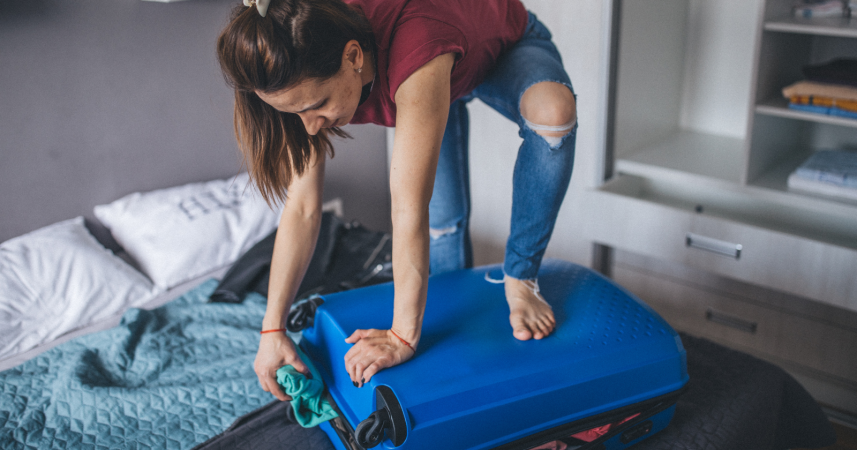
I've brought three pairs of shoes on weekend trips where I wore one.
For years I thought this was just being prepared. Then I started noticing patterns. The trips where I overpacked most were the ones where I felt least in control of other aspects of my life.
Chronic overpacking isn't about being bad at estimating needs. It's usually a behavioral manifestation of deeper traits around anxiety, control, and how comfortable you are with uncertainty.
1) They have anxiety about being unprepared
People who chronically overpack are often managing a broader anxiety about being caught without what they need.
This isn't rational calculation. It's emotional insurance. The extra clothes, redundant toiletries, and just-in-case items are protection against a vague sense that something will go wrong.
Research on anxiety and preparedness behaviors shows that people with generalized anxiety often engage in excessive preparation as a coping mechanism. Overpacking creates an illusion of control over unpredictable situations.
I've packed entire backup outfits for day trips. Not because I rationally thought I'd need them, but because having them felt like protection against some undefined problem.
2) They struggle with letting go of control
Travel inherently involves uncertainty. You can't control everything that happens. People who overpack are often people who struggle with that loss of control.
Packing becomes the one area they can completely control. Every scenario can be prepared for. Every need can be anticipated. The suitcase becomes a portable zone of absolute control.
This often shows up in other areas of their lives too. They over-plan, create detailed contingencies, and feel anxious when things deviate from expectations.
My partner is comfortable with uncertainty. They trust that if they need something they didn't pack, they'll figure it out. That trust doesn't come naturally to me.
3) They're uncomfortable asking for help or relying on others
Overpacking often signals discomfort with dependency. If you bring everything yourself, you never have to ask anyone for anything.
Forgot toothpaste? You won't have to ask the hotel or buy some at a store. Need a specific item? You brought three versions.
This independence through over-preparation often correlates with broader patterns of struggling to ask for help or feeling vulnerable when dependent on others.
People comfortable with interdependency pack lighter because they trust they can get what they need through purchase, borrowing, or asking. Overpackers trust only what they bring.
4) They catastrophize small problems
What happens if you forget something on a trip? For most people, it's a minor inconvenience. For chronic overpackers, it feels catastrophic.
Not having the right outfit becomes ruining the trip. Forgetting an item becomes a disaster. This catastrophizing makes bringing everything feel necessary rather than excessive.
Studies on catastrophic thinking show it's closely linked to anxiety disorders and often drives excessive preventive behaviors. Overpacking is preventive behavior against catastrophized outcomes.
The reality is that forgetting something on a trip is rarely actually disastrous. But if your mind treats it as disaster, overpacking feels rational.
5) They have perfectionist tendencies
Overpacking often connects to perfectionism. The perfect trip requires the perfect items for every scenario. Leaving something behind means failing to achieve that perfection.
Perfectionists struggle with "good enough." They want optimal, not adequate. Overpacking attempts to create optimal preparedness even when adequate preparedness would work fine.
This shows up in constant second-guessing while packing. Should I bring this? What if I need it? Better to have it just in case. The bag gets heavier as perfectionism demands coverage of increasingly unlikely scenarios.
I've repacked bags multiple times, adding items "just to be safe" until the bag barely closes. That's not practical planning. That's perfectionism.
6) They use material possessions for emotional security
For some people, having their things around them provides comfort and security in unfamiliar environments.
The overstuffed suitcase isn't just practical items. It's a portable version of home. Familiar objects that make the unfamiliar location feel safer.
This often correlates with general patterns of using possessions for emotional regulation. Stuff provides comfort, security, and a sense of control.
People who are comfortable with minimal possessions don't need to bring their environment with them. People who derive security from possessions pack as much of that security as possible.
7) They have difficulty adapting to new situations
Light packers trust their ability to adapt to whatever situations arise. Overpackers try to prevent the need for adaptation by being prepared for every possibility.
This often reflects broader discomfort with flexibility and change. If every scenario is anticipated, adaptation becomes unnecessary.
The problem is that no amount of packing can actually eliminate the need for adaptation during travel. Unexpected situations will arise regardless. Overpacking is an attempt to avoid something unavoidable.
My partner adapts easily to changed plans, unexpected situations, and things not going as expected. I find that stressful. Overpacking is my attempt to minimize how much adaptation I'll need to do.
Final thoughts
Overpacking isn't a moral failing or personality defect. It's usually a behavioral response to underlying anxiety, need for control, or discomfort with uncertainty.
Understanding this helps explain why logical arguments about overpacking rarely work. Telling someone they don't need three pairs of shoes for a weekend trip misses the point. The shoes aren't about rational need. They're about managing anxiety.
I've gotten better at packing lighter, but it requires actively challenging the anxious thoughts that drive overpacking. "What if I need this?" gets countered with "What actually happens if I don't have it?"
Usually the answer is: nothing catastrophic. I buy what I need, borrow, or simply do without. The trip continues fine.
But that trust has to be built through experience. You can't logic your way out of anxiety-driven overpacking. You have to practice the discomfort of packing less and discovering that you survive the trip anyway.
If you chronically overpack, you're not alone and you're not irrational. You're managing underlying traits that make uncertainty feel threatening rather than manageable.
The solution isn't forcing yourself to pack light. It's understanding what you're actually protecting against and whether overpacking actually provides the security it promises.
Usually it doesn't. The anxiety returns next trip, requiring the same overpreparation cycle. The possessions don't actually eliminate uncertainty, they just create the temporary illusion of control.
Real progress comes from building tolerance for uncertainty itself, not from better packing strategies. But that's much harder work than just throwing extra items in a suitcase.
If You Were a Healing Herb, Which Would You Be?
Each herb holds a unique kind of magic — soothing, awakening, grounding, or clarifying.
This 9-question quiz reveals the healing plant that mirrors your energy right now and what it says about your natural rhythm.
✨ Instant results. Deeply insightful.

Jordan Cooper
Jordan Cooper is a pop-culture writer and vegan-snack reviewer with roots in music blogging. Known for approachable, insightful prose, Jordan connects modern trends—from K-pop choreography to kombucha fermentation—with thoughtful food commentary. In his downtime, he enjoys photography, experimenting with fermentation recipes, and discovering new indie music playlists.
More Articles by Jordan