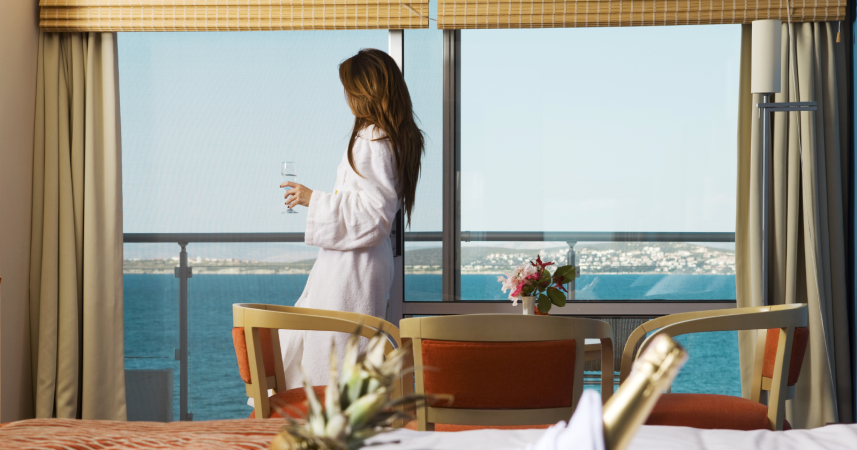
Where you stay on vacation says a lot about where you come from. For many people, a hotel isn’t just a place to sleep—it’s a reflection of habits, expectations, and the kind of comfort you were raised to think of as “normal.”
Travel is never just about the destination.
It’s about the rituals surrounding it—the way you plan, pack, and yes, choose where to stay.
For families with upper-middle-class backgrounds, hotels weren’t random.
They were carefully selected to ensure a certain standard of experience, one that felt safe, polished, and tailored.
Even now, as adults, those early patterns stick.
Without even realizing it, you gravitate toward the same categories of hotels your parents once booked, quietly signaling your upbringing with every reservation.
Here are eight types of hotels that say a lot about the world you grew up in.
1. Boutique hotels with personalized service
If you instinctively seek out boutique hotels instead of massive chains, it’s a strong clue about your background.
Upper-middle-class families often value experience over sheer size or flashiness.
They want hotels with character, where the staff greets you by name and the decor feels thoughtfully curated rather than mass-produced.
These spaces tend to have fewer rooms, but more attention to detail—handwritten welcome notes, locally sourced toiletries, or unique art pieces on the walls.
Growing up with this type of travel taught you to see lodging as part of the cultural immersion, not just a bed for the night.
For you, staying somewhere memorable matters just as much as the attractions outside the door.
2. Historic luxury hotels with a story
While some travelers focus purely on modern amenities, upper-middle-class families often seek out historic hotels.
These are the grand properties with old-world charm: sweeping staircases, vintage chandeliers, and stories woven into the walls.
The appeal isn’t just comfort—it’s legacy.
Staying in a hotel where presidents, writers, or royalty once visited creates a sense of connection to history.
Even as a child, you probably absorbed the idea that part of traveling well means respecting the traditions of a place.
These hotels don’t just provide a stay—they provide a narrative, and that feels deeply satisfying to someone raised with an appreciation for heritage.
3. Resorts with wellness or spa packages
For many upper-middle-class families, vacations were never just about sightseeing.
They were about recharging.
That often meant staying at resorts where relaxation was built into the experience—spas, yoga classes, saunas, and carefully planned activities designed to help you return home feeling “renewed.”
These aren’t the kind of trips where you collapse into a generic bed after a day of frantic exploring.
They’re curated escapes with a focus on health and well-being.
When you instinctively book a place that offers massages, guided meditation, or even a juice bar, it reflects the way you were raised to view self-care as an essential part of travel rather than an indulgence.
4. Family-friendly resorts with kids’ clubs
Growing up upper-middle-class often meant family vacations weren’t chaotic free-for-alls.
They were strategically planned to balance fun for the kids with relaxation for the adults.
That’s why many families gravitated toward resorts with built-in childcare, kids’ clubs, and structured activities.
As a child, you might not have realized how intentional this was—you just knew there were scavenger hunts, craft stations, and supervised beach games while your parents enjoyed a quiet dinner alone.
Even now, when you book vacations with your own family, you instinctively seek out hotels with similar offerings.
It’s not about being fancy.
It’s about maintaining a sense of balance and order on trips, a value deeply ingrained from childhood.
5. Hotels with strong brand recognition
Upper-middle-class families often stick with trusted hotel brands, especially when traveling internationally.
The reason? Predictability.
When you book a room with a well-known name, you know exactly what to expect: clean sheets, reliable service, and a certain level of comfort no matter where you are in the world.
These brands become shorthand for safety and quality.
While others might take a gamble on a random listing, you prefer the assurance that comes with a recognizable logo on the door.
It’s a habit formed in childhood that signals a certain relationship with risk—and a desire to avoid unpleasant surprises while traveling.
6. Ski lodges or mountain retreats
If ski vacations were part of your childhood, this one will feel especially familiar.
Upper-middle-class families often planned winter getaways around skiing, snowboarding, or cozy evenings by a roaring fireplace.
The hotels they chose weren’t just places to stay—they were hubs for gear rentals, ski schools, and après-ski hot chocolate by the fire.
These trips carried a certain aesthetic: wood-paneled walls, steaming saunas, and expansive views of snow-covered peaks.
Even if you don’t ski as an adult, booking a mountain lodge feels instinctively right to you because it taps into those early memories of active, nature-centered vacations.
7. Eco-lodges or sustainability-focused hotels
For many upper-middle-class travelers, environmental consciousness is part of the travel experience.
This shows up in a preference for eco-lodges or hotels that emphasize sustainability—think solar panels, organic linens, and farm-to-table dining.
Choosing these places isn’t just about the planet.
It’s also about signaling a certain set of values: responsibility, mindfulness, and global awareness.
Growing up in a family that prioritized these ideals means you likely seek out accommodations that align with them, even when it costs a bit more.
To you, a hotel stay is an opportunity to support businesses that reflect your worldview.
8. Hotels with concierge-level perks or executive lounges
There’s a particular kind of subtle luxury that comes with access to private lounges, concierge services, or early check-in privileges.
It’s not flashy—it’s quiet comfort.
Upper-middle-class families often booked rooms that included these extras because they valued efficiency and ease.
These perks meant shorter lines, insider recommendations, and a smoother overall experience.
As a child, you may not have realized how special it was to grab complimentary snacks from a private lounge or have someone handle dinner reservations for you.
But now, as an adult, you instinctively seek out similar upgrades because they feel like the “right” way to travel.
The bigger picture
The kinds of hotels we choose aren’t random.
They reflect the environments we grew up in—the expectations, habits, and values quietly instilled in us by our families.
For upper-middle-class travelers, hotels were never just beds for the night.
They were carefully selected extensions of home, offering security, comfort, and a touch of polish.
As adults, those early choices still echo in the reservations we make today.
Because even when you think you’re just booking a hotel, you’re really revealing a whole history of how you learned to move through the world.
Closing thought
Travel says a lot about who we are, but where we stay often says even more.
If these eight types of hotels feel like second nature to you, it’s not just coincidence.
It’s a reflection of an upbringing shaped by stability, careful planning, and a certain level of privilege.
And while there’s no wrong way to travel, knowing why you gravitate toward certain accommodations can offer surprising insights into your own story.
If You Were a Healing Herb, Which Would You Be?
Each herb holds a unique kind of magic — soothing, awakening, grounding, or clarifying.
This 9-question quiz reveals the healing plant that mirrors your energy right now and what it says about your natural rhythm.
✨ Instant results. Deeply insightful.