The wealthy abandoned these places the moment they became accessible to everyone else, which tells you everything about why they traveled there in the first place.
Working in luxury hospitality taught me that wealthy people don't actually travel for the reasons they claim.
They'll talk about culture, beauty, experience. But watch their patterns and you realize exclusivity matters more than any of those things. The moment a destination becomes popular with middle-class tourists, the wealthy move on.
I saw this happen repeatedly. Places that were fixtures on wealthy travelers' itineraries would suddenly disappear from their plans. Not because the destination changed. Because the crowd did.
Meanwhile, middle-class tourists would discover these same places and think they'd found some special secret. Not realizing they were arriving exactly as the wealthy were leaving, and that their arrival was precisely why the wealthy left.
After years observing these patterns and living in Thailand watching tourism evolve, I can tell you which destinations wealthy people have completely abandoned while middle-class tourists still consider them aspirational.
Here are ten places the wealthy stopped visiting years ago.
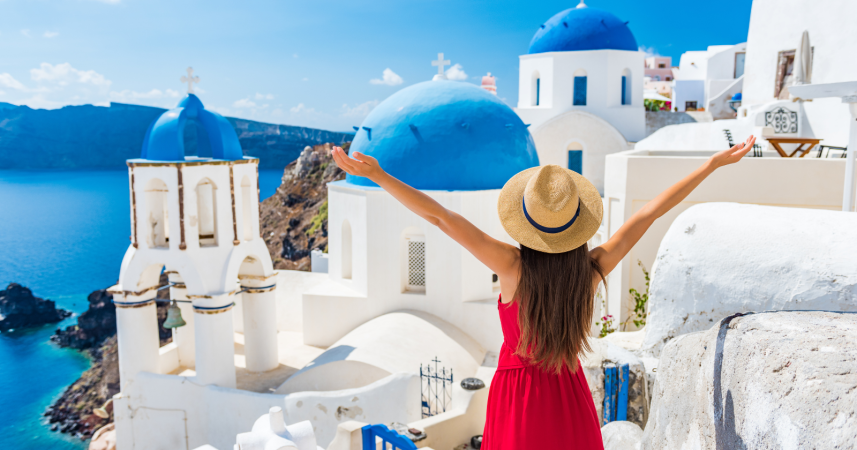
1) Santorini
Santorini used to be where wealthy Europeans went for understated elegance.
That ended about a decade ago when Instagram made those blue-domed churches and sunset views globally famous. Now it's overrun with tourists taking identical photos, cruise ship crowds, and hotels that charge luxury prices for mid-tier service.
The wealthy moved on to lesser-known Greek islands years ago. Places without cruise ports, where you need to know someone to find the good properties. Santorini is beautiful, but it's now a theme park version of what it was.
Middle-class tourists still flock there thinking they're experiencing authentic Greece. They're actually experiencing the set that remains after wealthy travelers abandoned it for being too accessible.
2) Bali
Bali was a wealthy hideaway in the 80s and 90s. Private villas, undiscovered beaches, authentic culture.
Then budget airlines made it accessible to Australian and Asian tourists. Instagram made it globally famous. Now Seminyak and Canggu are packed with digital nomads, party hostels, and influencers staging photos.
During my Bangkok years, wealthy expats would talk about how Bali was over. They'd moved on to places in Indonesia that hadn't been discovered yet. Islands you couldn't easily fly to, areas without tourist infrastructure.
Middle-class tourists are still saving up for Bali thinking it's exotic and special. The wealthy haven't been there in years.
3) Tuscany wine tours
The Tuscany wine country experience wealthy people loved is gone.
It's been replaced by bus tours of Americans taking photos at the same wineries, restaurants that cater to tourists with English menus and predictable food, accommodations that market "authentic" experiences that are anything but.
Wealthy travelers still go to Italy. Just not Tuscany. They've moved to lesser-known wine regions, private estates you can't book online, places that don't advertise.
The middle-class tourists doing Tuscany wine tours are following an itinerary the wealthy abandoned a decade ago when it became too easy to replicate.
4) Dubai
Dubai was briefly fashionable among wealthy travelers in the early 2000s.
Then it became obvious that the city was designed to extract money from tourists through manufactured luxury. The wealthy realized it was essentially a shopping mall with hotels, lacking the authenticity or culture they could access elsewhere.
Now Dubai caters primarily to middle-class tourists from Asia and the Middle East who want to experience over-the-top luxury. The Burj Khalifa, the gold souks, the massive malls. It's Vegas without gambling.
Wealthy people skip it entirely now. They'll connect through the airport but they're not staying. The city serves as a hub for them to get to places that aren't designed purely for tourist extraction.
5) Phuket
Phuket suffered the same fate as Bali but worse.
What was once a beautiful Thai destination became overbuilt with resorts, bars, and tourist infrastructure. The beaches are crowded, the culture is performed rather than lived, everything is priced for tourists.
I watched this happen while living in Thailand. Wealthy expats and travelers talked about Phuket like it was a tragic loss. They'd moved on to islands in the south that were harder to reach, or to other countries entirely.
Middle-class tourists still flock to Phuket for package holidays. The wealthy haven't been in years, except maybe passing through the airport on the way to somewhere more exclusive.
6) Cancun and the Riviera Maya
These Mexican destinations used to attract wealthy Americans before they became all-inclusive resort central.
Now they're dominated by package tourists staying in massive resorts that could be anywhere. The local culture is completely obscured by tourist infrastructure. The beaches are beautiful but crowded. The experience is generic luxury, not Mexican travel.
Wealthy travelers still go to Mexico constantly. Just not Cancun or Playa del Carmen. They're in small beach towns that don't have international airports, private homes in areas without resorts, places that require knowing someone to access.
The middle-class tourists doing all-inclusive Cancun trips are experiencing a version of Mexico the wealthy left behind a decade ago.
7) Paris, the tourist version
The wealthy still go to Paris, but they're not doing the Paris that tourists do.
They're not staying in hotels near the Eiffel Tower, eating at restaurants in guidebooks, or doing the Louvre-Notre Dame-Arc de Triomphe circuit. That Paris is entirely for tourists now.
Wealthy travelers have apartments in specific arrondissements, eat at places you need reservations made months ahead by people with connections, experience a version of Paris that doesn't overlap with tourist Paris at all.
Middle-class tourists are still saving for Paris trips, staying in expensive hotels in tourist areas, paying inflated prices for the Paris the wealthy stopped participating in years ago.
8) Las Vegas
Vegas was never truly wealthy, but there was a period when high-end gambling and shows attracted serious money.
That's mostly gone. The whales gamble in Macau now. The big spenders go to Monaco or private clubs. Vegas has become a bachelorette party and conference destination for middle-class Americans.
Working events in Austin, I've noticed wealthy people only go to Vegas when they absolutely have to for business. They're not choosing it for leisure. That market has completely shifted to middle-class travelers who think it's sophisticated entertainment.
The city still has expensive options, but wealthy people aren't using them. They've moved on to places that offer exclusivity rather than manufactured luxury.
9) Cruise ships, standard routes
Wealthy people stopped doing Caribbean cruises decades ago.
The moment cruises became affordable middle-class family vacations, they lost their appeal to the wealthy. Now cruise ships cater almost entirely to middle-class tourists looking for packaged convenience.
The wealthy occasionally do expedition cruises to Antarctica or the Galapagos on ships with 50 passengers. They're not doing week-long Caribbean cruises with thousands of people hitting the same ports.
But middle-class families still save for these cruises thinking they're accessing luxury travel. The wealthy abandoned that market entirely.
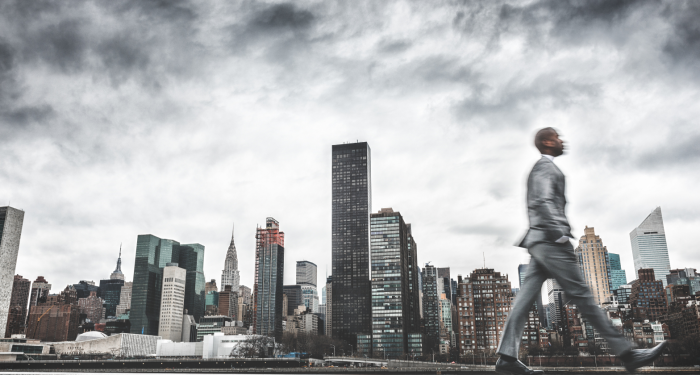
10) New York City hotels and Broadway shows
The wealthy still live in and visit New York, but they're not doing tourist New York.
They're not staying at Midtown hotels, eating at Times Square restaurants, or going to Broadway shows that tourists see. That entire infrastructure exists for middle-class tourists now.
Wealthy New Yorkers and visitors stay in private clubs or apartments, see performances at venues tourists don't know about, eat at restaurants that don't take reservations from strangers. There's effectively two New Yorks, and tourist New York is one the wealthy exited years ago.
Middle-class tourists are paying premium prices to experience a version of New York the wealthy don't participate in at all anymore.
The pattern
Notice what these destinations share.
They were all places wealthy people went before they became accessible to middle-class tourists. The moment accessibility increased, through budget airlines, package deals, or Instagram fame, the wealthy moved on.
This reveals something uncomfortable about luxury travel. It's not actually about the destination. It's about exclusivity. The wealthy don't want beautiful beaches or great food or cultural experiences. They want beautiful beaches without crowds, great food at restaurants other people can't access, cultural experiences that haven't been commodified for tourists.
The middle-class tourists arriving at these destinations think they're upgrading their travel. They're actually downgrading by wealthy standards, arriving at places that have been abandoned because they're no longer exclusive.
I'm not saying don't visit these places. Many of them are genuinely great destinations despite being crowded. But understand what you're participating in. You're not discovering hidden gems or accessing elite travel. You're visiting places that were elite and are now solidly middle-class, which is why you can afford them.
The wealthy are always two steps ahead, finding the next places before anyone's heard of them, then leaving the moment you arrive. That's the game. Recognizing it doesn't mean you can't enjoy these destinations. It just means you understand what they actually represent on the economic ladder of travel.