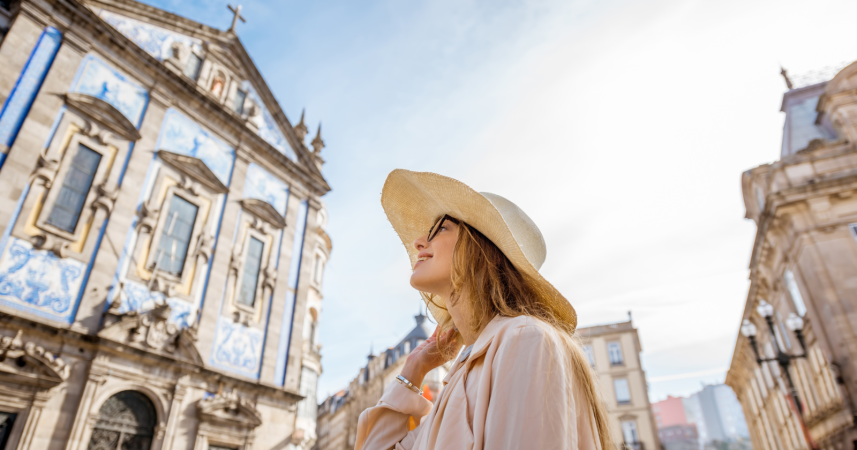
So next time you pack for a city break, you might ask yourself a different kind of question. Not "What do I feel like wearing?" but "What kind of guest do I want to be?"
A few years ago, I was sitting on a tiny terrace in Madrid, drinking an espresso and people watching between meetings. At one table, you had locals and business travelers dressed in that effortlessly simple way you only really notice when you slow down.
At another, a group in neon tank tops, American sports jerseys, and flip flops shouting across the street for directions.
Same city, completely different vibe.
Spending my twenties in luxury hospitality, I saw this contrast all the time. The people with money and good taste rarely looked like the loudest ones in the room. They blended in. They paid attention. And when they traveled, their clothes mirrored that mindset.
In big cities, the most considerate high-end travelers avoid certain clothing not because they are snobs, but because they understand one thing: you are walking through someone else’s home.
Here are nine things they quietly leave in the suitcase.
1) Loud tourist t-shirts
You know the ones. Giant "I ❤️ NY" on the front. A skyline on the back. Maybe a joke about wine, coffee, or needing a vacation printed across the chest.
There is nothing wrong with buying these as souvenirs. Wear them on the plane or at home if you want. But the travelers who care about blending in rarely wear them while walking through Paris, Rome, Tokyo, or São Paulo.
From a psychology point of view, your clothing is a signal. Big tourist graphics scream "I am not from here" and, intentionally or not, turn the city into a theme park instead of a place where people actually live their lives.
The people who respect that line tend to dress like they would for a nice lunch in their own city instead. Neutral tee. Simple shirt. Nothing shouting for attention.
2) Gym outfits outside the gym
Have you noticed how many people pass through airports dressed like they are heading to a workout class?
Leggings, racerback tops, basketball shorts, training sneakers. Comfortable, sure. But once they land and go straight into a big city, they never change.
Top-tier travelers treat athleisure as what it is: clothing for training, hiking, or running errands, not the default uniform for every context.
When they are walking through a cultural neighborhood or sitting in a nice bar, they do not want to look like they got lost between the gym and the locker room.
There is also a respect element here. In many cities, locals still make an effort to get dressed when they go out, even casually. Meeting them halfway with a simple pair of jeans and a decent shirt is not hard.
Your body will survive without performance fabric for one dinner.
3) Flip flops in the city
I love a beach day. Give me a plate of grilled fish, a cold drink, and a sea breeze, and I am happy. Flip flops belong there. But the second you move into a busy city, especially in Europe or Asia, they stop being charming and start being a problem.
Upper end travelers know three things about flip flops in cities. First, they are loud. You hear every step. Second, they offer no protection.
One crowded metro ride and you will understand. Third, they send a very casual signal in places where people are trying to live and work, not just serve tourists.
There is also the safety piece. Walking long distances in them is a great way to wreck your feet. Well-dressed travelers usually opt for simple sneakers, loafers, or sandals that look and feel put together.
Save the flip flops for the pool or the hotel spa.
4) Cargo shorts and safari gear
You can always spot the "expedition tourist" look. Lots of pockets. Zippers everywhere. Khaki everything. Maybe a travel vest with space for seventeen different items you will never actually use.
In a remote area or on an actual trek, some of that gear makes sense. In a big city, it just looks theatrical. Locals in London, Berlin, or Buenos Aires are not walking around dressed for a National Geographic assignment.
The more refined travelers I have met keep their city outfits simple and tailored, even when they want comfort. They might wear lightweight chinos instead of cargo shorts.
A regular jacket instead of a safari vest. They want to experience the city, not look like they are documenting it for an adventure show.
Function is good. Costume is not.
5) Sports jerseys and fan gear
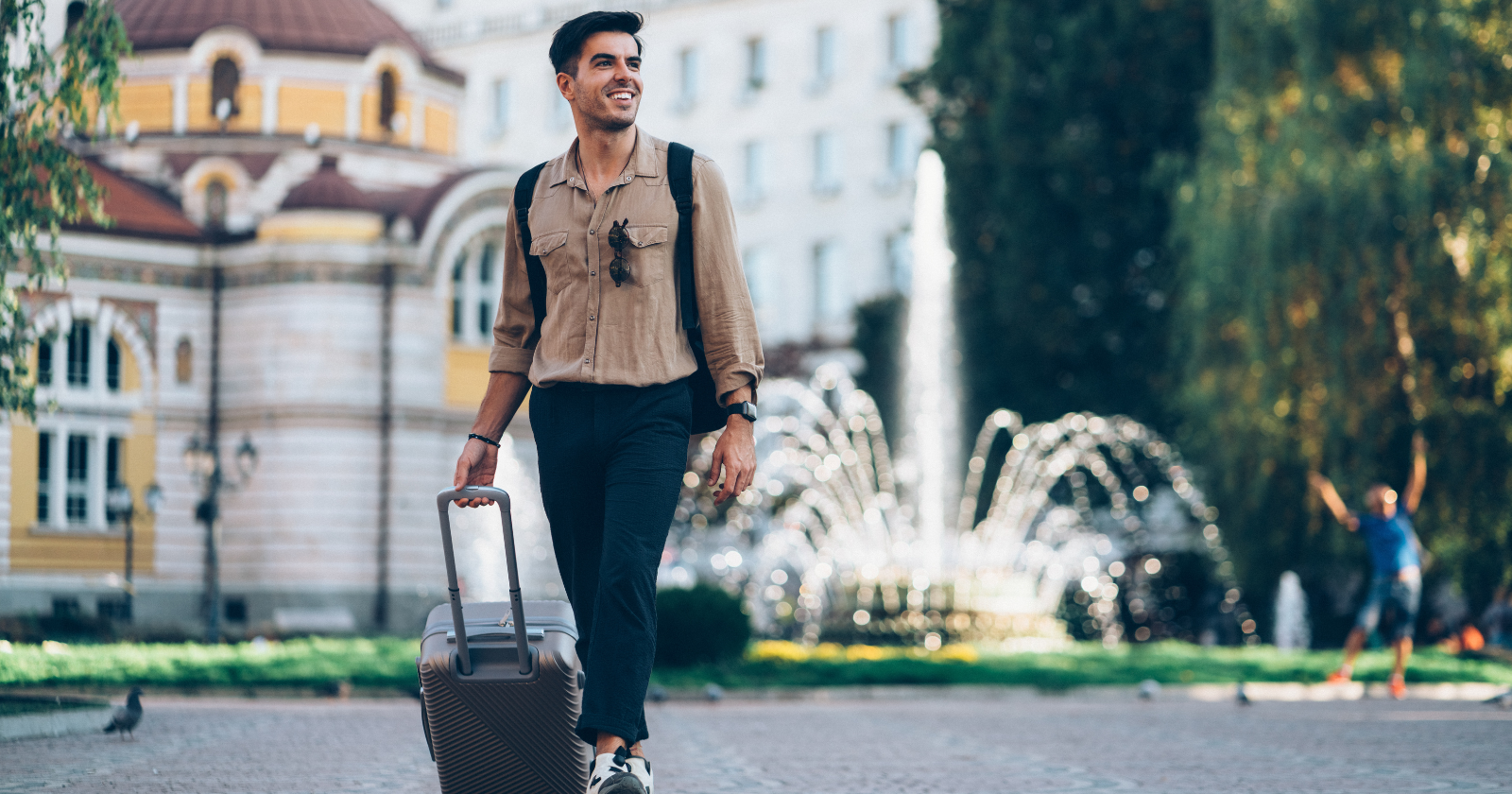
This one can be controversial if you live in your favorite team’s colors. But wearing big, bold sports jerseys in another city, especially abroad, changes the dynamic quickly.
On a practical level, you stand out. On an emotional level, it can create weird tension. In some places, football jerseys carry a lot of tribal energy. In others, it just reads as casual to the point of careless, especially in nicer neighborhoods, bars, or restaurants.
Frequent travelers with money to spend on experiences usually want to show respect for local style. They do not show up to a beautiful bistro or gallery dressed like they are on their way to a home game.
They might wear a subtle cap or a small pin if they really want to, but they leave the full stadium uniform at home.
6) Offensive slogan shirts
This one is less about class and more about basic human decency, but I am including it because you still see it far too often.
Shirts with crude jokes, political messages, or "edgy" statements might get laughs in certain circles, but they hit very differently when you are walking through someone else’s streets.
Cities are full of families, kids, elders, and people with histories you know nothing about. The travelers who understand that tend to choose neutral, respectful clothing instead of using their chest as a billboard.
Psychology research is pretty clear on this: what you wear influences how people treat you. Show up aggressive, and you create unnecessary friction. Show up open, and you invite connection.
Good travelers do not pick a fight with their wardrobe.
7) Super revealing outfits in conservative areas
I am not talking about policing anyone’s body. People should wear what they feel good in. But context still matters. Many cities have religious sites, traditional neighborhoods, or more conservative social norms.
Walking through those areas half naked sends a message, and not a respectful one.
Experienced high end travelers usually do a quick culture check before packing. They bring linen shirts, light trousers, long skirts, and layers they can throw on if they want to visit a temple, cathedral, or local market where modesty is appreciated.
You can still look attractive without ignoring the culture you are a guest in.
Think of it the same way you think about noise. Just because you like your music loud does not mean it belongs at full volume in a quiet restaurant.
8) Head-to-toe designer logos
I spent a chunk of my twenties serving people who could afford almost anything.
Here is one thing that stuck with me: the people with real money rarely dressed like a brand catalog exploded on them. Their clothes fit well. The fabrics felt good. But unless you really knew labels, you would miss the price tag.
Spelling out every brand on your body in huge letters might feel glamorous, but in many big cities it is the opposite of discreet. It can come off as insecure, out of touch, or simply unaware of the local vibe. It also makes you an easy target for scams and theft.
Those who travel well often invest in quality but keep it quiet. A simple leather jacket. A well cut coat. Clean shoes. No need to turn yourself into a walking advertisement.
Finally, they know that respect shows more in how you behave than what you wear, and screaming status with logos is rarely the move in someone else’s home town.
Rethinking how you show up
At the end of the day, this is not about being "fancy" or impressing anyone. It is about awareness. Every city you visit has its own rhythm, its own unspoken dress code, its own idea of what looks respectful versus careless.
The travelers I have admired the most, whether they were staying in a five-star hotel or a tiny guesthouse, all had one thing in common. They blended in just enough to show they were paying attention.
Getting dressed for a trip is part of that.
So next time you pack for a city break, you might ask yourself a different kind of question. Not "What do I feel like wearing?" but "What kind of guest do I want to be?"
Your answer will show up long before you say a single word.
Just launched: Laughing in the Face of Chaos by Rudá Iandê
Exhausted from trying to hold it all together?
You show up. You smile. You say the right things. But under the surface, something’s tightening. Maybe you don’t want to “stay positive” anymore. Maybe you’re done pretending everything’s fine.
This book is your permission slip to stop performing. To understand chaos at its root and all of your emotional layers.
In Laughing in the Face of Chaos, Brazilian shaman Rudá Iandê brings over 30 years of deep, one-on-one work helping people untangle from the roles they’ve been stuck in—so they can return to something real. He exposes the quiet pressure to be good, be successful, be spiritual—and shows how freedom often lives on the other side of that pressure.
This isn’t a book about becoming your best self. It’s about becoming your real self.