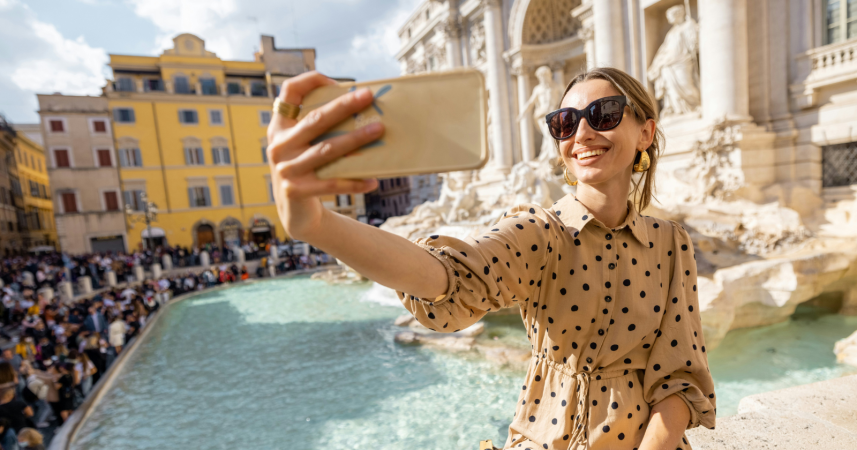
Social media makes these destinations look like paradise, but the reality often involves crowds, chaos, and disappointment that no filter can fix
I've been scrolling through my old photo library lately, and it's wild how good some places look when filtered through a camera lens and a few years of memory fog.
There's this one shot from Iceland that makes it look like I was standing in a mystical wonderland. What the photo doesn't show? The 47 other tourists elbowing each other for the same angle, or the fact that I paid $22 for a mediocre sandwich.
The gap between travel marketing and reality can be brutal. Some destinations have become so polished in their Instagram presence that the actual experience feels like watching a movie with terrible reviews after seeing an incredible trailer.
Here are ten countries that photograph beautifully but often leave travelers feeling underwhelmed.
1) Iceland
Iceland looks absolutely stunning in photos. Those geothermal pools, the Northern Lights dancing across the sky, dramatic waterfalls crashing into volcanic landscapes. It's visual perfection.
But here's what those photos don't tell you.
The Blue Lagoon, that milky-blue spa you've seen a thousand times on Instagram, is basically a crowded swimming pool where you're never more than a few feet from another person. The experience feels more like waiting in line at a theme park than floating in some mystical Icelandic sanctuary.
Then there's the Northern Lights. They're real, sure, but they rarely look like those vivid green swirls you see online. Most of the time, they appear as faint grayish clouds that you'd barely notice if someone wasn't pointing them up and saying "Look! Aurora!" The camera sensors are way more sensitive than human eyes, which means what looks magical in a long-exposure photo looks pretty ordinary in person.
And everything costs a fortune. We're talking $20+ for basic meals and absurd prices for accommodations.
2) Dubai, United Arab Emirates
Dubai photographs like a sci-fi movie set. Towering skyscrapers piercing the clouds, luxury everything, indoor ski slopes in the desert, gold-plated ATMs.
The reality? It's a mall with skyscrapers attached.
You can only visit during specific times of year without melting, and when you're forced indoors to escape the heat, your vacation budget evaporates faster than water in the desert sun. Shopping is literally the main activity, and materialism doesn't just reign, it's worshipped.
Beyond the shiny buildings, there's surprisingly little cultural depth. The beaches exist, but they're not exactly paradise when you're staring at a hazy sky. After you've seen the tall buildings and maybe gone up one of them, you're left wondering what else there is to do besides spend money.
3) Czech Republic (Prague specifically)
Prague's Old Town Square photographs like a fairy tale. Those spires, that astronomical clock, the medieval architecture glowing in golden hour light.
What the photos skip? The absolute chaos of overtourism.
During peak season, you're fighting through crowds just to glimpse the famous astronomical clock. Weekends bring hordes of drunk tourists from neighboring countries turning the historic streets into an outdoor bar crawl. The locals can barely hide their exhaustion with visitors, and honestly, you can't blame them.
Everything near the tourist areas is overpriced and underwhelming. The magic of those photos dissolves pretty quickly when you're being jostled by tour groups and stepping over someone's bad decisions from the night before.
4) Egypt
The pyramids are real, and they're genuinely impressive. But Egypt as a travel destination? That's complicated.
What you don't see in those dramatic sunset photos of the Sphinx is how pushy the touts are, the aggressive selling, the constant hassling for tips and purchases. It's exhausting to the point where the ancient wonders start to feel like background scenery to a sales pitch.
Cairo itself is chaotic and polluted. The infrastructure for tourism hasn't kept pace with the number of visitors, so basic things like getting around or finding decent food become way more stressful than they should be.
Women travelers often report particularly uncomfortable experiences with harassment, which puts a damper on what should be a trip filled with historical wonder.
5) Maldives
Those overwater bungalows floating above crystal-clear turquoise water? They're real. They're also expensive as hell and kind of boring.
The Maldives is beautiful, no question. But unless you're really into just sitting in one spot and staring at water, there's not much to do. The islands are tiny, the resorts are isolated, and everything is absurdly expensive because it all has to be imported.
You're basically trapped in a resort bubble with limited interaction with actual Maldivian culture. After a few days of Instagram-worthy pool floating, many travelers find themselves restless and ready to see something, anything, else.
It's paradise if your idea of paradise is luxury isolation. For everyone else, it's a very pretty but very limiting experience.
6) Morocco (Marrakech specifically)
I've mentioned this before but I spent time in Marrakech a few years back, and while parts of Morocco are incredible, the main tourist areas in Marrakech can be pretty draining.
The famous Jemaa el-Fnaa square looks exotic and bustling in photos, this vibrant hub of North African culture. In reality, it's packed with aggressive vendors, guys trying to drape snakes around your neck for a photo fee, and persistent sellers of knock-off goods.
The souks (markets) are gorgeous architecturally but navigating them means constant negotiation and dealing with vendors who get genuinely annoyed if you're not interested in buying. What should be a relaxing wander through artisan goods becomes a gauntlet of sales pressure.
The rest of Morocco, especially the Atlas Mountains and smaller cities, is much more rewarding. But Marrakech itself? The photos definitely oversell it.
7) India
India photographs incredibly well. The colors, the temples, the chaos captured in perfect still frames.
Living through that chaos is different.
The pollution in major cities can be shocking, especially for first-time visitors. The Taj Mahal is beautiful, but Agra itself is rough, and the haze of smog often obscures that perfect white marble dome you've seen in photos.
The crowds are intense, the poverty is heartbreaking, and the sensory overload can be overwhelming. Street harassment is common, and navigating basic tasks like transportation or food can require more mental energy than many travelers anticipate.
India rewards adventurous travelers who can roll with unpredictability, but for those expecting the serene, spiritual experience suggested by carefully curated photos, reality hits hard.
8) Thailand (Phuket and tourist areas)
Thailand's beaches look like screensavers. White sand, clear water, limestone cliffs jutting from the sea.
Then you actually go to Phuket and realize there are 118 tourists for every actual resident. The beaches are packed, the water isn't always that clear due to all the boat traffic, and the party atmosphere can be overwhelming if that's not what you're looking for.
Scammers target tourists constantly. Prices are inflated. The "authentic Thai experience" has been replaced with tourist-trap restaurants serving mediocre pad thai to people who don't know better.
I've had much better experiences in Thailand's lesser-known areas. But the heavily photographed spots? They've been loved to death by tourism.
9) France (Paris specifically)
Paris photographs beautifully, obviously. The Eiffel Tower, the Seine at sunset, charming cafes with striped awnings.
Paris syndrome is actually a documented psychological condition where tourists, particularly Japanese visitors, become so distressed by the gap between expectation and reality that they need medical intervention. That's not an exaggeration.
The city is dirty in parts. Metro stations smell like urine. Service can be genuinely rude if you don't speak French. Tourist areas are crammed with people, pickpockets work the crowds around major attractions, and everything costs more than it should.
The Mona Lisa is tiny and surrounded by hundreds of people taking selfies. The Eiffel Tower is impressive but the area around it is chaotic. Those charming cafes charge you $8 for an espresso.
Paris has incredible art, history, and food. But it's also exhausting and expensive and often fails to live up to its romantic reputation.
10) Indonesia (Bali specifically, Canggu area)
Living in California, I know plenty of people who've made the pilgrimage to Bali for the surf, yoga, and that supposed chill atmosphere. The photos they post look amazing, all sunset temples and rice terraces.
But Canggu, one of the most Instagrammed areas, has become a victim of its own success. The traffic is absolutely brutal. That chill yoga vibe? Hard to find when you're stuck in gridlock for an hour trying to get anywhere.
The area is now dominated by digital nomads and influencers, which has driven up prices and created this weird expat bubble that doesn't feel particularly Indonesian. The yoga studios are dwindling, replaced by trendy brunch spots that could exist anywhere.
Bali still has beautiful areas, especially if you venture away from the hot spots. But the places you see in photos are often the most disappointing in person.
Final thoughts
Here's the thing about travel photography: it's a highlight reel. Every destination has someone whose job is to make it look as appealing as possible, and social media has turned all of us into mini marketers of our own experiences.
That doesn't mean these places aren't worth visiting. It just means managing expectations. Some of my favorite travel memories came from places that photograph terribly but felt amazing in the moment. And some of the most beautiful photos in my collection represent experiences I'd never want to repeat.
The real lesson isn't to avoid these destinations. It's to do your research beyond Instagram, read recent reviews from actual travelers, and remember that a good photo just means someone had a good angle and good lighting. It doesn't tell you about the smell, the crowds, the cost, or how you'll actually feel being there.
Travel is still worth it. Just maybe not always to the places that look the best in photos.
What’s Your Plant-Powered Archetype?
Ever wonder what your everyday habits say about your deeper purpose—and how they ripple out to impact the planet?
This 90-second quiz reveals the plant-powered role you’re here to play, and the tiny shift that makes it even more powerful.
12 fun questions. Instant results. Surprisingly accurate.