Some cities make travel an endurance test—these ten actually want you to enjoy the experience

Add VegOut to your Google News feed. 
Ever notice how some places just get it right when it comes to making travel easy?
I spent three weeks in Europe a couple years back, and the difference between cities was striking. Some felt like they were designed with actual humans in mind. Others felt like they expected you to be training for a marathon just to see the sights.
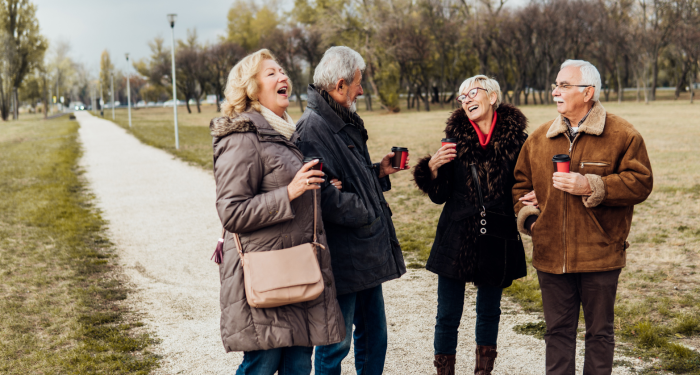
Travel after 60 shouldn't mean giving up on adventure. It should mean being able to explore without your knees staging a rebellion by day three.
Here are ten cities that understand this perfectly.
1) Vienna, Austria
Vienna recently won something called the Access City Award, and after visiting, I get why.
The tram system connects everything you'd want to see. Schönbrunn Palace has elevators and accessible paths. The Kunsthistorisches Museum is set up so you can actually enjoy the art without navigating obstacle courses.
What I loved most about Vienna were the coffeehouse breaks built into the culture. Café Central and places like it encourage you to sit, relax, and absorb where you are. No one rushes you. The city rewards taking your time.
The Ring Road circles the historic center, making navigation straightforward. Most major sites are either on or near it, and the public transport is reliable enough that you don't need to worry about getting lost or exhausted.
2) San Francisco, California
Yes, San Francisco has hills. But it also has cable cars, which is exactly the kind of practical solution that makes a city work for everyone.
The walk score here is 89, one of the highest in the country. More importantly, the city has organized programs specifically for older residents. Walking tours through On the Level San Francisco focus on rooftop gardens and manageable routes.
Golden Gate Park has a senior center offering activities from hikes to dancing. Bay Area Older Adults organizes nature trail treks that don't require you to be in peak physical condition.
The Fisherman's Wharf area is flat and accessible. You can spend hours exploring without feeling like you're training for anything more demanding than your next meal.
3) Kyoto, Japan
Kyoto operates on a grid system, which immediately takes the stress out of navigation. About eighty percent of city buses have wheelchair ramps, and drivers actually help passengers who need assistance.
The temples present obvious challenges since they're ancient wooden structures. But the city addressed this systematically. Sanjusangendo Temple has ramps throughout. Kiyomizudera provides access to most areas despite sitting on a hillside. The Golden Pavilion offers viewing from accessible paths.
The city moves at a contemplative pace that rewards slow exploration. Benches appear frequently. Restrooms are accessible. The infrastructure assumes visitors might want to stop and appreciate something rather than sprint between landmarks.
Tea ceremonies offer cultural experiences that don't require physical stamina. The food scene is exceptional, and most restaurants are set up to accommodate different needs.
4) Barcelona, Spain
Barcelona's metro system is largely wheelchair accessible, which already puts it ahead of many European cities. The terrain near the beach is flat, with boardwalks stretching for miles.
La Rambla has plenty of places to sit and rest. The Gothic Quarter has been adapted with ramps and accessible routes to major attractions. Sagrada Família has lifts and accessible entrances so you can actually see Gaudí's masterpiece without logistical nightmares.
The city balances tourism with actual city life. You'll see locals mixing with visitors in markets and restaurants instead of segregated tourist zones. Most places welcome solo diners, and the food scene ranges from budget tapas bars to upscale restaurants.
5) Lisbon, Portugal
Lisbon sits on seven hills, which sounds terrible. But centuries ago, they installed elevators and funiculars to move people between neighborhoods. The famous Elevador de Santa Justa lifts you from downtown to the hilltop areas, and the ride itself becomes part of the experience.
The Alfama district rewards wandering. Narrow streets wind between old buildings, and you'll stumble across tiny cafes that no guidebook mentions. The yellow trams run through the city center, doubling as both transportation and a moving tour of Portuguese tile work.
The River Tagus waterfront is flat and accessible. You can walk for ages along the water, stopping at cafes whenever you need a break. The Portuguese are warm hosts, and English is widely spoken, which removes another layer of travel stress.
6) Copenhagen, Denmark
Copenhagen blends historic charm with modern accessibility. The pedestrian-friendly layout and extensive network of bike paths also accommodates wheelchairs with ramps and wide sidewalks.
Tivoli Gardens offers entertainment without requiring extensive walking. The Nyhavn waterfront has colorful buildings and plenty of places to sit and watch boats. The Little Mermaid statue is accessible, though honestly, it's smaller than you'd expect.
The city's cleanliness and well-maintained sidewalks make navigation easy. Public transport includes low-floor trams. Most attractions offer audio guides and seating areas, recognizing that people want to learn without standing the entire time.
7) Boston, Massachusetts
The Freedom Trail stretches 2.5 miles through downtown, connecting 16 historical sites. The red-brick path guides you through American history from Boston Common to Bunker Hill Monument.
What makes Boston work is its compact layout. You can walk between major attractions without covering massive distances. The USS Constitution offers wheelchair-accessible viewing of its main deck. Faneuil Hall Marketplace has varied food options and frequent places to rest.
Many hotels offer senior discounts. The Boxer Boston provides travelers 50 and over up to 15 percent off rates. Downtown accommodations typically include accessible rooms and concierge services to help plan efficient routes.
The city takes its history seriously but also understands that people want to enjoy it comfortably. Museums showcase everything from colonial artifacts to maritime history with modern accessibility features.
8) Amsterdam, Netherlands
Amsterdam's flat landscape creates a naturally senior-friendly environment. You don't need to conquer hills or endless stairs to see the city's highlights.
The network of trams helps tremendously for those with limited mobility. Just watch for bikes when crossing paths. Canal cruises offer the quintessential Amsterdam experience while seated comfortably.
The Rijksmuseum and Van Gogh Museum both feature step-free access. The Anne Frank House has facilities for visitors with different mobility needs. Many attractions provide audio guides, allowing you to move at your own pace.
The canals themselves create a peaceful atmosphere. Hours disappear just wandering along the water, stopping at cafes. The city balances its tourist popularity with maintaining livability for residents, which keeps it from feeling like a theme park.
9) Savannah, Georgia
Savannah's 2.5-square-mile Historic District is America's largest urban National Historic Landmark. The original design includes 22 squares that provide frequent resting spots among live oaks and historic architecture.
Trolley tours make seeing the city manageable without extensive walking. Forsyth Park has an iconic fountain and shaded paths. The riverfront offers restaurants and shops along a flat, accessible waterfront.
The city earned recognition as one of America's friendliest places. Southern hospitality isn't just marketing here. Restaurant servers accommodate dietary needs, and locals actually seem happy to give directions.
Bonaventure Cemetery offers free monthly guided tours through one of the most beautiful cemeteries in the country. The pace of Savannah encourages slow exploration rather than rushed sightseeing.
10) Singapore
Singapore is a haven for travelers seeking cleanliness, efficiency, and modern infrastructure. Marina Bay Sands and the waterfront are easily accessible. The Botanic Garden with its orchid collections provides peaceful walking spaces.
English is widely spoken, which eliminates language barriers. The public transport system is exceptional, with stations designed for accessibility. The food scene ranges from hawker centers to upscale restaurants, offering options for every preference and budget.
The city-state takes accessibility seriously. Sidewalks are well-maintained. Buildings have ramps and elevators. Public spaces include seating areas. Everything works smoothly, which reduces travel stress significantly.
The tropical climate means you'll want to plan indoor activities during the hottest parts of the day. But the ubiquitous air conditioning and covered walkways make this manageable.
The bottom line
Smart travel design isn't complicated. Flat sidewalks, reliable public transport, places to rest, and infrastructure that works for everyone regardless of age or ability.
These cities understand this. They've invested in making exploration accessible without turning it into an obstacle course.
The best part? When cities design for accessibility, everyone benefits. Parents with strollers, travelers with luggage, anyone who's had a long day, people recovering from injuries.
Choose destinations that make the journey easier, not harder. Your trip should be about what you see and experience, not about surviving the logistics.