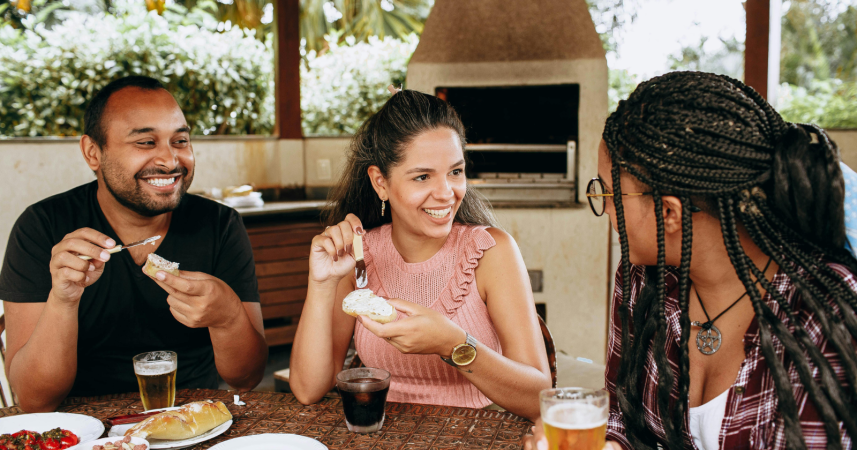
Traveling while staying plant-based doesn’t have to feel like a scavenger hunt. With a few simple rituals, you can explore new places, enjoy great food, and stay aligned with the way you like to eat. From researching ahead to making markets your first stop, these habits make eating plant-based abroad feel natural instead of stressful.
If you’ve ever tried to eat a certain way while traveling, you know the drill.
New city.
New food you can’t pronounce.
New menus with mysterious symbols that may or may not mean vegetarian.
And then there’s you, trying to stick to a mostly plant-forward routine without turning every meal into a whole investigative operation.
The good news is that with a few simple rituals, staying plant-based on the road becomes a lot less about willpower and a lot more about ease.
Over the years, I’ve eaten my way through cities where vegetables were basically optional and others where plant-based eating was so normal I felt behind.
Somewhere in the middle, I learned that the trick isn’t perfection. It’s preparation.
Let’s get into the seven rituals that make traveling while staying plant-based feel almost effortless.
1) Researching ahead like a foodie detective
I’ll be honest. I used to think researching before a trip took away the magic.
But then I found myself in a tiny coastal town in southern Italy where every menu item was seafood except the bread. Suddenly, research didn’t look so boring anymore.
A few minutes of prep can genuinely change your entire trip. I’m not talking about spreadsheets or anything intense.
Just hop on Google Maps, search “vegan,” “vegetarian,” or “plant-based,” and save a handful of spots.
Look up grocery stores, markets, and local plant-forward specialties so you have a sense of the landscape before you land.
When I visited Tokyo, for example, I discovered that a lot of traditional dishes can be made plant-based, but you have to ask for them.
Knowing this ahead of time saved me from accidentally eating bonito flakes on day one.
A little research makes everything smoother once you actually get there.
2) Packing the non-negotiables
There’s a certain comfort in knowing you have a safety net in your bag.
For me, that’s a mix of snacks and supplements.
A couple of protein bars, some nuts, and maybe a powdered green mix that makes me feel like I’m making good choices.
It’s not about living off snacks. It’s about avoiding those moments where you’re starving in an airport that thinks salad means three pieces of iceberg lettuce.
I once read in Atomic Habits that environmental design is one of the biggest predictors of consistent behavior. That applies to food, too.
If your environment makes the better choice easier, you’re far more likely to make it.
Packing a few plant-friendly essentials gives future you an easy win.
3) Choosing a home base that makes eating well easy
This is one of those small decisions that changes everything.
If you book a place with at least a mini kitchen, you suddenly have options. You can make breakfast. You can grab fruit from a market.
You can avoid spending too much on a bowl of hotel oatmeal.
When I traveled through Lisbon, I stayed in an apartment near a produce market.
Every morning, I’d walk over, buy peaches and bread, and make a simple breakfast before heading out.
That one ritual kept me feeling balanced even when the rest of my meals were whatever I stumbled into that day.
You don’t have to cook full meals. You just need space for the basics.
4) Learning the key phrases
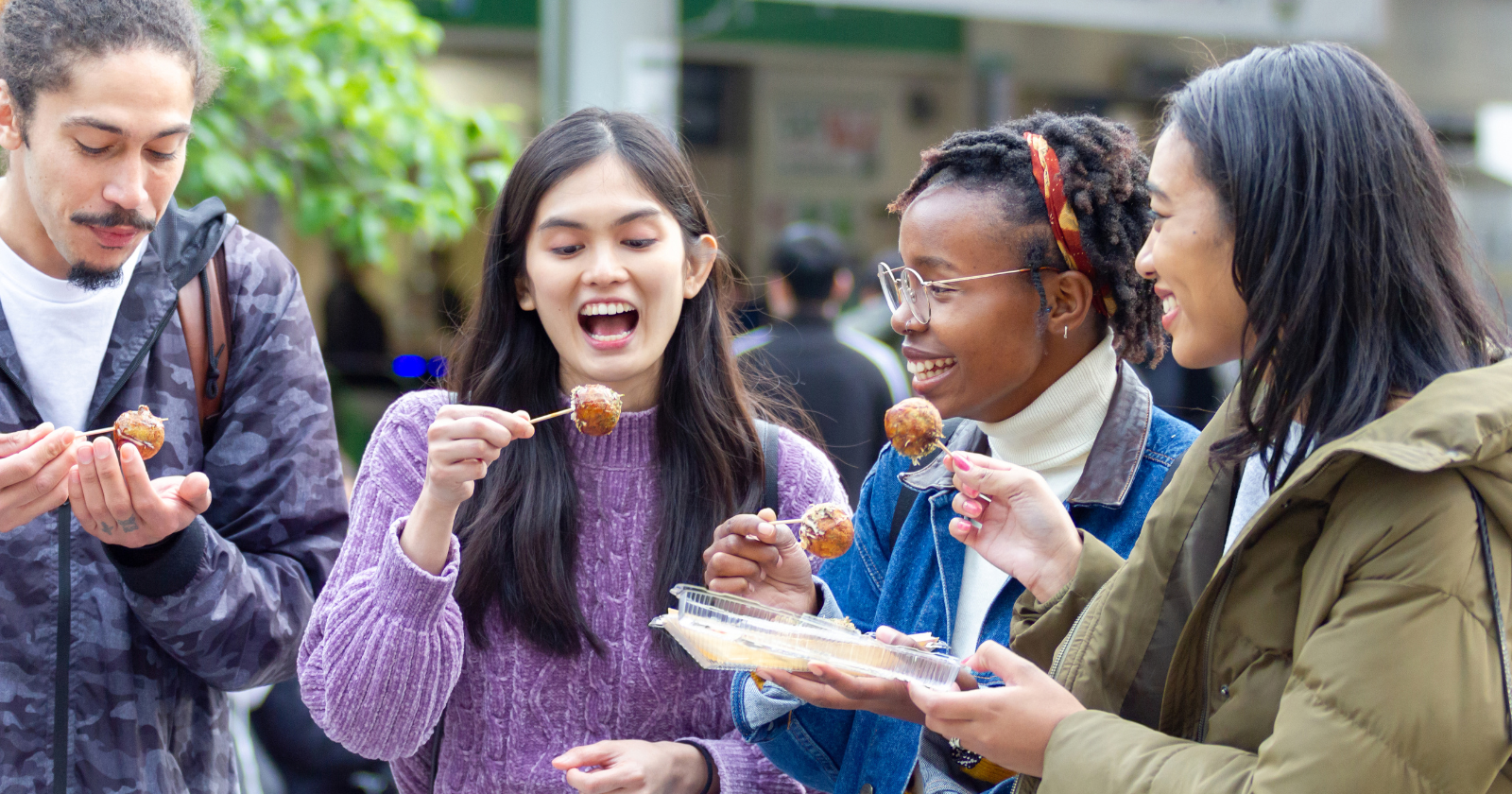
If you’ve ever tried to explain dietary preferences using only hand gestures, you know the chaos that follows.
Learning a few key phrases can save you from both confusion and surprise ingredients. Things like:
“Does this contain dairy?”
“I don’t eat meat or fish.”
“Is there an alternative without eggs?”
I keep these in my Notes app in the local language. Not perfect, but definitely helpful.
A restaurant owner I once worked with told me that kitchens genuinely appreciate clarity.
If you can communicate your needs simply and respectfully, most places will try their best to accommodate you.
A tiny bit of language prep goes a long way.
5) Making local markets your first stop
This is one of my favorite parts of travel.
You get a sense of a city’s rhythm when you walk through its markets.
You also get easy, affordable access to fruit, nuts, bread, plant milks, and often dishes that are naturally vegan without trying to be.
In Thailand, I lived off fresh mango sticky rice from a market stall for more days than I should admit.
In France, I leaned on markets for tomatoes, olives, and baguettes. In Mexico City, markets became my go-to for fresh juices and snacks.
Markets keep things simple. And they keep things delicious.
6) Balancing exploration with intention
Travel throws your routine straight out the window.
And that’s okay.
You don’t need to be perfectly plant-based every second.
What helps more is having a simple internal guideline. Something like aiming for one fully plant-based meal a day or choosing plant-forward options unless there’s a meaningful exception.
This takes the pressure off and keeps you from turning your trip into a food equation.
One thing I picked up from reading The Happiness Advantage is that rules work best when they’re simple. Flexible structure beats rigid perfection every time.
Travel is about connection, experience, and curiosity. Your eating style should support that, not restrict it.
7) Ending each day with a quick check in
Lastly, I like doing a short mental recap at the end of the day.
Nothing intense. Just one question. How did my choices today make me feel?
Not in a judgmental way. More like collecting data for future me.
If I felt great, I would take note of what contributed to that. If I felt sluggish or off, I pay attention to that too. It helps me adjust without turning food into a moral scoreboard.
Self-awareness is one of those quiet tools that make every future trip easier.
The bottom line
Staying plant-based on the road isn’t about discipline or saying no to everything.
It’s about creating rituals that support the way you want to eat without stealing the joy from your trip.
With a little preparation, a few go-to strategies, and a mindset that leans more toward curiosity than perfection, you can explore the world and still eat in a way that feels right for you.
Safe travels, and happy eating.
If You Were a Healing Herb, Which Would You Be?
Each herb holds a unique kind of magic — soothing, awakening, grounding, or clarifying.
This 9-question quiz reveals the healing plant that mirrors your energy right now and what it says about your natural rhythm.
✨ Instant results. Deeply insightful.

Adam Kelton
Adam Kelton is a writer and culinary professional with deep experience in luxury food and beverage. He began his career in fine-dining restaurants and boutique hotels, training under seasoned chefs and learning classical European technique, menu development, and service precision. He later managed small kitchen teams, coordinated wine programs, and designed seasonal tasting menus that balanced creativity with consistency.
After more than a decade in hospitality, Adam transitioned into private-chef work and food consulting. His clients have included executives, wellness retreats, and lifestyle brands looking to develop flavor-forward, plant-focused menus. He has also advised on recipe testing, product launches, and brand storytelling for food and beverage startups.
At VegOut, Adam brings this experience to his writing on personal development, entrepreneurship, relationships, and food culture. He connects lessons from the kitchen with principles of growth, discipline, and self-mastery.
Outside of work, Adam enjoys strength training, exploring food scenes around the world, and reading nonfiction about psychology, leadership, and creativity. He believes that excellence in cooking and in life comes from attention to detail, curiosity, and consistent practice.
More Articles by Adam