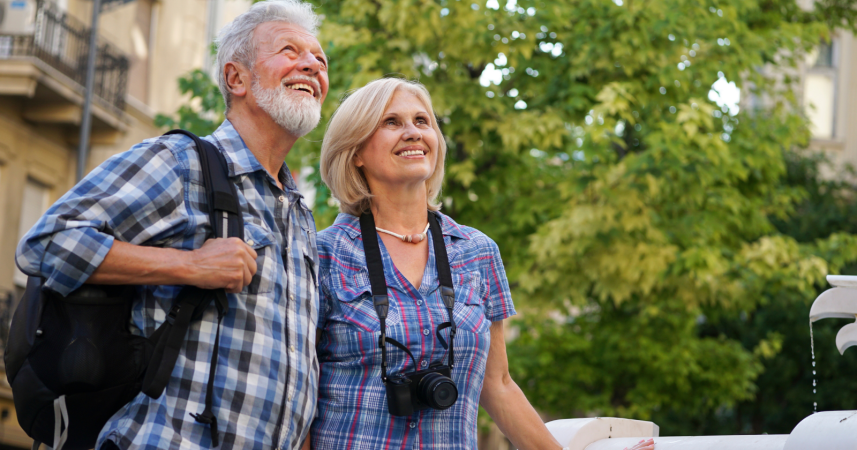
Small acts of kindness, curiosity, and calm can turn travel into something far richer - a genuine exchange between hearts across cultures.
Traveling later in life has its own kind of magic. You’re not rushing through airports for work or squeezing in sightseeing between conference calls.
You get to slow down, notice details, and actually connect with the people who live where you’re visiting.
Over the years, I’ve noticed something interesting. Locals often light up around certain kinds of travelers, especially older Americans who carry themselves with kindness, curiosity, and respect.
It isn’t about having the perfect itinerary or fluent language skills. It’s about how you move through the world.
Here are eight small but meaningful habits that make locals genuinely enjoy meeting American retirees abroad.
1. They learn basic local phrases
You don’t need to speak a new language fluently to make a great impression. A simple “good morning,” “thank you,” or “how are you” in the local tongue can soften even the most formal exchange.
When I visited Italy for the first time, I stumbled through “buongiorno” with what I’m sure was terrible pronunciation. But the barista smiled, repeated it correctly, and poured me an extra splash of espresso for effort.
That tiny moment taught me how much people appreciate when you try.
As travel expert Rick Steves once said, “Knowing a few essential words and phrases in the local language can go a long way.”
Learning just a handful of phrases shows humility. It says, “I’m here to learn, not just to look.”
2. They show real interest in local life
Many travelers focus on the sights. Retirees who connect deeply tend to focus on the people.
They ask questions about daily routines, family life, or local traditions. Not in a probing way, but with genuine curiosity.
During a trip to Portugal, I spent an afternoon chatting with the owner of a small tile shop. Instead of rushing to buy souvenirs, I asked how she learned her craft.
Twenty minutes later, she was showing me photos of her grandmother painting the same designs decades ago. I left with more than a purchase. I left with a story.
When locals feel seen for who they are, not just what their town offers, they remember you long after you leave.
3. They respect local customs and dress codes
Every culture has its quiet codes. Whether it’s covering shoulders at temples, removing shoes before entering homes, or greeting elders first, small gestures of respect go a long way.
I once watched a retired couple in Thailand pause outside a shrine. Before stepping in, they noticed locals removing their shoes and followed suit without hesitation.
The guide smiled and gave them an approving nod. Respect like that doesn’t need words. It’s seen and felt.
The UN World Tourism Organization’s Global Code of Ethics for Tourism reminds travelers that tourism should take place “in harmony with the attributes and traditions of the host regions and countries and in respect for their laws, practices, and customs.”
A little awareness goes a long way in showing locals that their culture matters.
4. They support local businesses
Locals notice when you choose the neighborhood café over a global chain or when you buy souvenirs from artisans instead of airport shops.
Spending money where it matters helps communities thrive, and people appreciate that more than travelers often realize.
When I visited Oaxaca, I met a retiree from Oregon who made a point of staying in family-run guesthouses instead of hotels.
“I’d rather my pesos go straight to someone’s table than to a corporation,” she told me. By the end of her trip, she was invited to a local wedding by the family who ran her favorite café.
Choosing locally owned businesses keeps more money within the community and supports families directly.
It’s one of the simplest and most rewarding ways to travel with purpose.
5. They stay calm when things go wrong
Travel has a way of testing patience. Flights get delayed, plans change, and language barriers lead to mix-ups.
But the travelers locals remember fondly are the ones who stay kind and adaptable, even when things don’t go as planned.
On a ferry to Santorini, I once saw an older couple’s tickets get misplaced by the attendant. Instead of arguing, they smiled, waited, and calmly explained the situation.
The staff eventually sorted it out, and the captain personally invited them to visit the bridge during the ride.
A calm attitude can transform a stressful situation into a memorable story. Patience is understood in every language and appreciated in every culture.
6. They listen more than they talk
One of the quickest ways to make a genuine connection abroad is to let locals do most of the talking.
Retirees who travel often have wonderful stories of their own, but they also know when to listen. They ask questions, give space, and show interest in the everyday rhythms of another life.
During a visit to a small fishing town in Croatia, I watched an older couple strike up a conversation with a local man mending his nets.
Instead of jumping in with stories about home, they simply listened. He ended up inviting them to join his family for lunch.
Sometimes the best travel experiences come not from what we share, but from what we’re willing to hear.
Listening signals respect. It shows curiosity without assumption—and that earns trust faster than any perfect phrase in another language ever could.
7. They travel slowly
Retirees often understand something younger travelers overlook: rushing can make you miss the point of being there. Slow travel is about depth.
Staying a little longer in one place allows you to understand how life moves, how the light shifts over the buildings, how people greet each other in the morning.
I once met a couple who spent two months each winter in the same seaside village in Spain. By week three, the grocer knew their names. By week five, they were helping the neighbors harvest olives.
Moving slowly gave them a sense of belonging that quick visits never could.
When you linger, you become more than a tourist. You become a familiar face—and that’s something locals never forget.
8. They express gratitude often
It might sound simple, but sincere gratitude has a powerful ripple effect. A warm smile, a thank-you in the local language, or a quick note of appreciation can turn a passing encounter into a friendship.
While traveling through Vietnam, I met a retiree who carried small postcards from his hometown. Whenever someone went out of their way to help him, he wrote a short thank-you and handed it over. He told me he liked the idea that a little piece of his gratitude would stay behind even after he left.
Gratitude is universal. It bridges culture, age, and background. When locals feel genuinely appreciated, they open up even more, and that’s when the magic of travel truly happens.
Final reflection
What I love most about seasoned travelers is the quiet grace they bring to every experience.
They don’t need to impress anyone or collect stamps in a passport just to prove something. They travel with curiosity, respect, and heart—and people everywhere can feel that.
It reminds me of a line from Laughing in the Face of Chaos by Rudá Iandê: “When we approach the world with openness instead of judgment, every encounter becomes a teacher.”
That idea captures what travel at any age can be about, less performance, more presence.
Every small gesture of kindness, every moment of patience, every thank you whispered across a language barrier adds up to something much bigger.
It creates a trail of connection that lingers long after you’ve gone home.
And maybe that’s the real gift of travel in this season of life - not seeing more, but feeling more deeply wherever you go.