Discover how a few simple shifts in perspective and approach can turn ordinary travel snapshots into images that capture real story and emotion.
We’ve all been there—snapping a hundred shots of the Eiffel Tower, the Taj Mahal, or a cobblestone alley in Lisbon, only to scroll through later and think…meh.
The view was breathtaking in person, but the photo just doesn’t have the same magic.
The good news? You don’t need to be a professional photographer with a bag of expensive lenses to capture images that pop.
A few small shifts in how you see, move, and engage with the world can make your photos stand out in ways filters never could.
Here are six simple tricks I’ve learned that can instantly level up your travel photography.
1. Walk until your feet ache
One of the best lessons I ever got in creativity didn’t come from a photographer but from literature. Charles Dickens was known to walk 20 miles a day just to clear his head and spark a new storyline. That tells you something: creativity comes from movement.
When you’re traveling, don’t just stop at the main square, snap a picture, and call it a day. Walk until you’re a little lost.
Circle around the building, duck into the side streets, climb that extra set of stairs. The best shots usually live just past where the tourists stop.
I can’t tell you how many times I’ve stumbled on scenes that never would’ve shown up on Google Images—a cat sprawled on the hood of a vintage car in Havana, an old man playing cards under a banyan tree in Chiang Mai, a streak of graffiti tucked down a narrow Madrid alley.
None of them would’ve happened if I stuck to the guidebook path.
2. Find the light before you find the angle
Every photographer—amateur or pro—eventually learns this truth: light is the real subject of every photo.
Travel photos fall flat when the light is too harsh or too dim. That’s why sunrise and sunset are golden (literally). The light is softer, warmer, and more forgiving.
But even during the day, you can find good light if you pay attention. Look for shadows, reflections in puddles, or beams cutting between buildings.
I remember being in Marrakech one afternoon when the sun was blinding overhead. I ducked into a spice market just for shade, but the filtered light pouring through slats in the roof made every pile of turmeric, saffron, and paprika glow. That ended up being one of my favorite shots from the trip.
Light makes or breaks your photo. Find it first.
3. Put people in the frame
Landscapes are beautiful, but they don’t always capture experience. Adding people gives scale, story, and sometimes even a dash of humor.
Take Machu Picchu: the ruins are stunning, but when I photographed a fellow traveler sitting on the edge looking out across the valley, the whole scene felt more alive. Suddenly, it wasn’t just stone walls—it was perspective, wonder, and a human moment.
This doesn’t mean you need a perfectly posed portrait. Sometimes a blurred figure walking past, or kids chasing each other in the background, tells more of a story than the landmark itself.
Travel is about people as much as places. Show both.
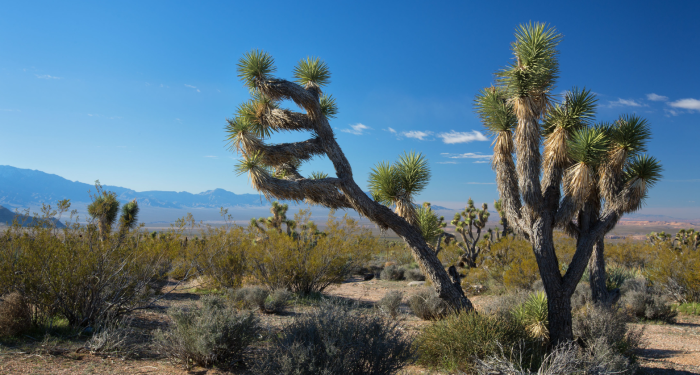
4. Step into nature more often
We live in a world where it’s easy to spend most of our time indoors, but your photos will thank you if you venture out. Research shows that spending at least 120 minutes a week in nature is linked with better health and wellbeing.
That makes sense—not only are you recharging, but you’re also placing yourself in environments where the visuals practically arrange themselves.
I’ve noticed this on hikes where I start out tired and uninspired. A few miles in, once the noise of the city is gone, my eyes open up. The shapes of tree branches against the sky, the way light falls on moss, or the sheer scale of a mountain ridge—it all begs to be captured.
Nature gives you compositions you could never stage. The trick is to slow down long enough to notice them.
5. Break the “perfect” habit
When you first start taking travel photos, it’s tempting to aim for flawless symmetry, polished poses, and picture-perfect smiles. But the shots that really stand out are often the messy, unplanned ones.
This is where Rudá Iandê’s book Laughing in the Face of Chaos gave me a nudge. He writes, “When we let go of the need to be perfect, we free ourselves to live fully—embracing the mess, complexity, and richness of a life that's delightfully real.” That line hit me. It applies to photography too.
Some of my favorite photos are blurry street dancers in Buenos Aires, rain smudges on a window in Tokyo, or a family in Naples arguing joyfully over dinner. They weren’t polished, but they were real—and that’s what gives them power.
So don’t obsess over perfection. Let the chaos in. It often tells the better story.
6. Change your perspective
Lastly, if you want your photos to pop, stop shooting everything from eye level.
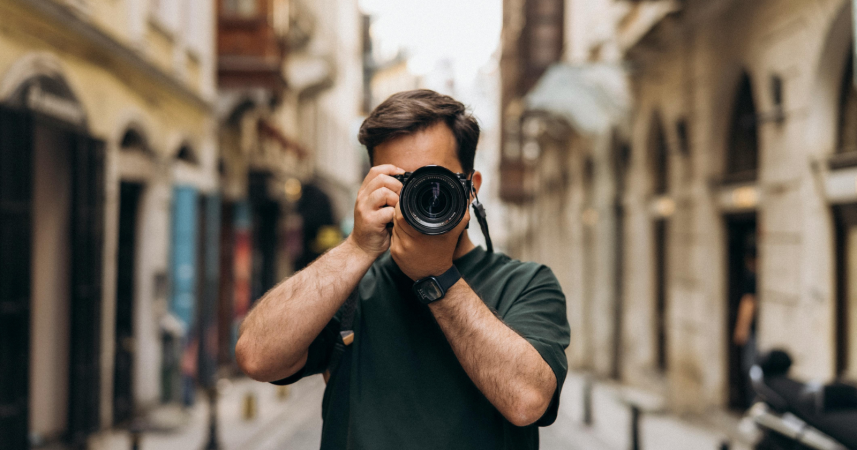
Kneel down. Climb up. Tilt the camera. Shoot through a doorway or a window frame. Sometimes the difference between a cliché photo and one that makes people pause is simply where you placed yourself.
I once crouched on the floor of a café in Istanbul just to capture steam rising from a glass of tea with the bazaar blurred in the background. It felt ridiculous at the time, but that photo still gets more comments than the postcard shots I took outside.
Perspective is free. Use it.
The bottom line
Travel photography isn’t about expensive gear or endless editing. It’s about noticing—light, people, nature, imperfection, and the angle no one else thought to try.
At its core, it’s also about curiosity. The more you wander, explore, and experiment, the more your photos will carry your unique fingerprint.
And maybe that’s the real point: your images don’t have to look like anyone else’s. They just have to capture how you see the world.
So next time you’re on the road, give these six tricks a try. Who knows? You might surprise yourself with what ends up in the frame.
What’s Your Plant-Powered Archetype?
Ever wonder what your everyday habits say about your deeper purpose—and how they ripple out to impact the planet?
This 90-second quiz reveals the plant-powered role you’re here to play, and the tiny shift that makes it even more powerful.
12 fun questions. Instant results. Surprisingly accurate.