The habits that make our parents nervous are usually the ones that make our travel worth remembering.
I'll be honest: the last time I mentioned to my parents I was staying in a hostel in Prague, my mom spent the next twenty minutes explaining why hotels exist for a reason. She wasn't wrong about hotels existing, but she was definitely missing the point about why I'd chosen differently.
Millennials travel in ways that make older generations nervous. We sleep in strangers' homes, take rides from unlicensed drivers, and book flights on apps our parents have never heard of. To boomers, this looks reckless. To us, it's just Tuesday.
The truth is, what looks "unsafe" to one generation often just looks unfamiliar. And behind that unfamiliarity is usually a smarter, cheaper, and honestly more connected way to see the world.
Let's talk about the travel habits that make our parents nervous but actually work pretty well for those of us doing them.
1. Staying in hostels instead of hotels
When I told my grandmother I was staying in a hostel in Barcelona, she asked if I was joining a monastery. When I explained what hostels actually were, she looked even more concerned.
But here's what she didn't know: modern hostels aren't the sketchy backpacker dens from the '70s. Many have private rooms, keycard access, lockers, and better security than budget hotels. Plus, the social aspect isn't a bug, it's a feature.
I've met some of my best travel friends in hostel common rooms. I've gotten restaurant recommendations that never would've appeared in guidebooks. I've joined spontaneous day trips to places I didn't know existed.
Hotels keep you isolated. Hostels keep you connected. And they do it for a fraction of the price.
The "safety concern" usually boils down to sharing space with strangers. But millennials grew up with sleepovers, college dorms, and Airbnb. We're comfortable with communal living in ways previous generations simply aren't.
2. Using ride-sharing apps in foreign countries
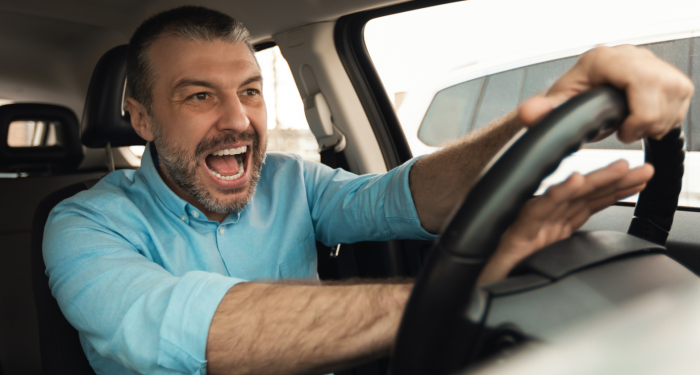
My dad still thinks Uber is operated by random criminals who've figured out how to use smartphones. The idea of me using similar apps in countries where I don't speak the language makes him genuinely anxious.
But ride-sharing apps are often safer than traditional taxis in many countries. There's a digital record of every trip. GPS tracking shows exactly where you went. Payment is automatic, so there's no cash handling or fare disputes. And you can see driver ratings before getting in the car.
Compare that to flagging down an unmarked taxi in a city where you don't speak the language, don't know fair prices, and have no record of who drove you where. Which actually sounds safer?
I've used ride-sharing in Bangkok, Mexico City, and Buenos Aires without incident. The apps are cheaper, more transparent, and give you more control than traditional taxis ever did.
The perceived risk exists because the system is new, not because it's actually more dangerous.
3. Booking flights and accommodations through third-party apps
Boomers love travel agents. They trust the human connection, the phone calls, the printed itineraries. The idea of booking a flight through an app that didn't exist five years ago feels sketchy to them.
But third-party booking platforms aren't fly-by-night operations. They're massive companies processing billions in transactions. They have customer service departments, refund policies, and user protections that often exceed what you'd get booking directly.
Plus, they aggregate options in ways that save real money. I can compare fifty different flights in thirty seconds. I can set price alerts. I can book complex multi-city trips that would take hours to arrange through traditional channels.
The risk isn't in the platform. The risk is in not reading the fine print, which has always been true regardless of how you book.
4. Eating street food instead of restaurants
My mom once watched a documentary about food poisoning and now thinks anything not served in a restaurant with tablecloths is potentially lethal. She nearly had a heart attack when I posted photos of my pad thai from a Bangkok street cart.
But street food isn't inherently less safe than restaurant food. In many countries, street vendors have better hygiene than budget restaurants because their entire business is visible. You can watch them cook. You can see how they handle food. You can observe how busy they are, which tells you how fresh the ingredients are.
Plus, street food is where locals actually eat. It's cheaper, often better, and gives you a genuine taste of local culture that you'll never get in tourist-friendly restaurants.
The "safety" of a restaurant is often just aesthetic. Clean tablecloths don't guarantee clean kitchens. High prices don't ensure food safety. And FDA regulations in the US don't apply abroad anyway, so that comfort is an illusion.
I've eaten street food across Southeast Asia, Latin America, and Eastern Europe. The one time I got food poisoning was from a mid-range hotel restaurant in Germany.
5. Traveling solo to unfamiliar countries
When I told people I was going to Vietnam alone, the responses ranged from "be careful" to "are you sure that's smart?" My parents wanted me to at least travel with a friend, as if having a companion would somehow make foreign countries less foreign.
But solo travel isn't more dangerous than traveling with others. If anything, it forces you to be more aware, more careful, and more engaged with your surroundings. You can't zone out in conversation. You have to pay attention.
Solo travelers also integrate more easily into local environments. You're approachable. You're flexible. You make friends more readily because you're not insulated by your travel companion.
The perceived danger of solo travel is often just discomfort with independence. Previous generations traveled less frequently and less independently. The whole concept of a young person traveling alone for fun rather than business or education is relatively new.
I've traveled solo to fifteen countries. I've felt unsafe exactly once, and it was in a major American city, not some "dangerous" foreign country.
6. Staying in neighborhoods instead of tourist districts
My parents always book hotels in city centers or tourist zones because that's what the guidebooks recommend. The idea of staying in a residential neighborhood through Airbnb makes them nervous. What if something happens? What if you need help?
But tourist districts are often where you're most likely to encounter problems. They're targets for pickpockets and scams. They're overpriced. And they don't give you any real sense of how people actually live in that place.
Residential neighborhoods are often safer, cheaper, and more interesting. You see how locals shop, where they eat, how they move through their day. You get context that tourist zones deliberately exclude.
Plus, with smartphones and GPS, you're never really lost. You don't need to stay within walking distance of major landmarks anymore. The entire city is accessible.
I stayed in a quiet neighborhood outside Prague's city center and paid half what I would've in Old Town. I walked to a local bakery every morning. I took the tram with commuters. I actually experienced the city rather than just touring it.
7. Using public transportation instead of taxis everywhere
Older travelers often default to taxis or tour buses because public transportation seems complicated or unsafe in unfamiliar cities. My parents once took a taxi in Paris that cost sixty euros when the metro would've been two.
But public transportation is how locals get around. It's cheaper, often faster, and gives you a much better sense of a city's geography and rhythm. Plus, it's usually safer than people think.
I've taken overnight buses in South America, subway systems across Asia, and local trains through Eastern Europe. The supposed danger is almost always overstated. You just need basic awareness, which you should have anywhere you travel.
The resistance to public transportation often comes from a discomfort with being in close proximity to strangers or not having complete control over your route. But that discomfort is cultural, not based on actual risk.
Learning a city's transit system is one of the most valuable things you can do as a traveler. It opens up the entire city, not just the expensive, touristy parts.
8. Working remotely while traveling (digital nomad lifestyle)
When I mentioned I was planning to work from Bali for a month, my dad asked if that was even legal. He couldn't wrap his head around the idea of working while traveling, as if the two were fundamentally incompatible.
But the digital nomad lifestyle isn't some sketchy workaround. It's how an increasing number of millennials structure their lives. We work remotely, we travel cheaply, and we prioritize experiences over possessions.
The "unsafe" part, according to older generations, is the instability. No permanent home. No office to go to. No traditional career trajectory. But that instability is a choice, not a crisis.
I've worked from coffee shops in Chiang Mai, coworking spaces in Lisbon, and my Airbnb in Mexico City. My work hasn't suffered. My finances are stable. And I've seen more of the world than I ever would have with two weeks of vacation per year.
The perceived risk is really just a different way of structuring life. Boomers value stability and routine. Millennials value flexibility and experience. Neither is wrong, but one looks unsafe to the other.
Conclusion
Travel has changed because technology, economics, and cultural values have changed. What looks reckless to one generation often just looks efficient to another.
The millennial approach to travel isn't about taking unnecessary risks. It's about recognizing that the old ways were expensive, limiting, and often didn't actually provide the security they promised.
We stay in hostels because we value connection over privacy. We use apps because they're transparent and accountable. We eat street food because it's authentic. We travel solo because we can.
None of this is unsafe. It's just unfamiliar to people who traveled differently. And that unfamiliarity gets misread as danger when it's really just change.
Your parents will probably always worry. That's what parents do. But you can travel smart, cheap, and adventurously all at once. You've just got to be willing to do things differently than they did.
If You Were a Healing Herb, Which Would You Be?
Each herb holds a unique kind of magic — soothing, awakening, grounding, or clarifying.
This 9-question quiz reveals the healing plant that mirrors your energy right now and what it says about your natural rhythm.
✨ Instant results. Deeply insightful.

Jordan Cooper
Jordan Cooper is a pop-culture writer and vegan-snack reviewer with roots in music blogging. Known for approachable, insightful prose, Jordan connects modern trends—from K-pop choreography to kombucha fermentation—with thoughtful food commentary. In his downtime, he enjoys photography, experimenting with fermentation recipes, and discovering new indie music playlists.
More Articles by Jordan