What once felt like luxury now feels like a loyalty perk, and that shift says everything about how tastes evolve.
You know that thing your parents do when they get all dressed up for the Cheesecake Factory? Or how they act like going to Napa Valley is some bucket list achievement?
I noticed this gap a few years ago when my partner's parents came to visit and insisted on taking us somewhere "really special" for dinner. They chose a chain steakhouse at the mall. Not a bad place, but the reverence in their voices made it sound like we were hitting a Michelin star restaurant.
The thing is, what counts as luxury shifts faster than we realize. Places that felt exclusive to boomers now register as completely ordinary to millennials. It's not about being ungrateful or having higher standards. It's about growing up in different economic realities, with different access points, and different definitions of what makes something special.
Here are eight places that perfectly capture this generational divide.
1. Chain restaurants in upscale shopping centers
Walk into any P.F. Chang's or California Pizza Kitchen with someone over 60, and you might witness something interesting. They're scanning the menu like it's an art gallery catalog, treating the whole experience like an event.
For boomers, these places represented accessible sophistication when they first opened. Themed decor, diverse menu options, and consistent quality across locations felt novel and exciting. Taking the family to one of these spots was an occasion worth planning around.
Millennials see the same restaurants differently. We grew up with these chains everywhere. They're reliable, sure, but they're also deeply familiar. The excitement got diluted by sheer ubiquity.
The irony? Many millennials would rather hit a hole-in-the-wall taco truck or a new ramen spot than book a table at the Olive Garden, even though the latter costs just as much. We're not chasing fancier food. We're chasing different food, something that feels less corporate and more authentic.
2. Wine country destinations
Napa Valley. Sonoma. The Finger Lakes. These places still carry weight for boomers in a way they just don't for younger travelers.
I've been to Napa a handful of times, and it's beautiful, no question. But the experience feels manufactured now, like Disneyland for people who like chardonnay. The tasting rooms have become so polished and expensive that the whole thing feels more like a luxury retail experience than an actual exploration of wine.
Boomers see wine country as the pinnacle of sophisticated travel. They'll plan entire weekends around vineyard tours, taking photos at every stop, buying bottles to display at home. It represents a certain lifestyle they worked toward.
Millennials are more likely to grab a bottle from Trader Joe's and call it a day. Or if we do travel for wine, we're seeking out smaller, weirder places with natural wines and minimal intervention. We want the story behind the bottle, not just the prestige of the label.
3. Hotel chains with loyalty programs
My parents belong to at least four different hotel rewards programs. They talk about their Marriott points the way some people talk about their stock portfolio.
For boomers, these programs represented a genuine perk, a way to feel valued and get upgrades without paying full price. Racking up points felt like beating the system, and being a "gold member" carried real status.
The psychology behind this makes sense. Loyalty programs gave boomers a sense of control and recognition during an era when travel was becoming more standardized and corporate. The programs created a personalized experience within an impersonal industry.
But millennials? We're comparing prices on six different apps before booking anything.
We'll stay at an Airbnb, a boutique hotel, or whatever hostel has the best Instagram potential. Loyalty to a single chain feels limiting, like we're missing out on more interesting options. Plus, we've watched these programs get progressively worse over the years, requiring more points for fewer benefits.
4. Cruises
There's a whole boomer economy built around cruises. The travel agents, the Facebook groups, the cabins with balconies that cost as much as a month's rent.
Cruises promised boomers a certain kind of luxury: all-inclusive ease, multiple destinations without the hassle of planning, entertainment on demand, and the social aspect of meeting other travelers. It was aspirational travel that felt manageable and safe.
Most millennials I know would rather eat glass than spend a week on a floating mall. We see cruises as the opposite of luxury, cramped and artificial, with mediocre food and zero spontaneity. The environmental impact doesn't help either.
I've mentioned this before, but travel preferences reveal a lot about what we value. Boomers often prioritize comfort and convenience, while millennials lean toward authenticity and minimal environmental footprint, even if it means more hassle. Neither approach is wrong, but they create completely different vacation experiences.
5. Country clubs
The country club was the ultimate status symbol for boomers. Golf course access, tennis courts, a pool, and a dining room where everyone knew your name. It represented arrival, proof that you'd made it into a certain social circle.
My uncle joined one when I was a kid, and I remember how proud he was showing us around. The whole place felt like stepping into a 1950s movie, everything carefully maintained and quietly exclusive.
Millennials largely find this model ridiculous. Paying thousands of dollars annually for the privilege of playing golf and eating club sandwiches? There are public courses, community pools, and a thousand restaurants we could try instead.
The appeal of exclusive social spaces has shifted. We'd rather spend that money on experiences that feel more diverse and less insular. A country club membership reads as isolating rather than impressive, especially when we can build communities online around shared interests instead of shared income brackets.
6. Department store restaurants
Nordstrom Cafe. The Bistro at Macy's. These in-store dining spots hold a special place in boomer hearts.
My grandmother used to take me shopping at Nordstrom, and lunch at the cafe was always part of the ritual. She treated it like fine dining, ordering the same chicken salad every time, using cloth napkins, taking her time. It was her reward for a morning of shopping.
For that generation, department store restaurants offered a break from domestic duties. Getting dressed up to shop, then sitting down for a proper meal in the middle of the store, felt luxurious because it represented leisure time away from home responsibilities.
Millennials don't shop at department stores much anymore, and if we do, we're grabbing something quick and leaving. The idea of spending an hour eating a $18 salad between the handbag department and home goods feels absurd when we could hit an actual restaurant with better food for the same price.
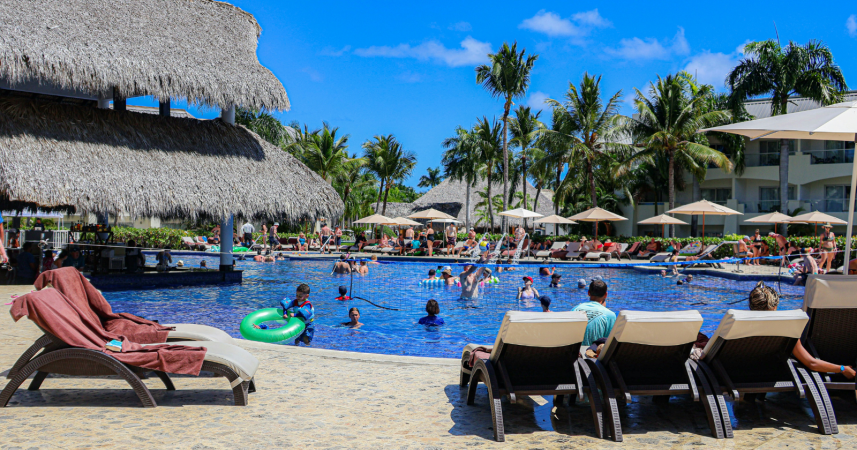
7. All-inclusive resorts
The all-inclusive model works perfectly for boomers. Pay one price, get unlimited food and drinks, never worry about a thing. It's vacation as product, neatly packaged and predictable.
These resorts advertise themselves as luxury, and to boomers who remember when international travel felt risky and complicated, they kind of are. Everything is handled, every amenity provided, every potential stress eliminated.
But to millennials, all-inclusive resorts feel like paying a premium to never actually visit the place you traveled to. You're in Mexico or Jamaica or Thailand, but you might as well be in a bubble. The food is generic, the activities are scheduled, and the whole experience feels disconnected from the actual culture outside the resort walls.
We'd rather stay in a local guesthouse, eat street food, and figure out transportation ourselves. The friction is part of the experience, not something to be eliminated. We want immersion, not insulation, even if it means occasional discomfort.
8. Airport lounges
Airport lounges represent peak sophistication to boomers. Access means you've traveled enough to earn it, or you're willing to pay for comfort in an otherwise chaotic environment.
My dad will plan his airport arrival around lounge hours. He'll show me photos of the free snacks and the quiet seating area like he's discovered something incredible. For him, the lounge access validates the travel experience.
Millennials treat airport lounges more practically. Sure, they're nice if we have access through credit cards or work, but they're not special. We've grown up in an era where lounges became democratized through memberships and credit card perks. What felt exclusive to boomers now feels like just another amenity.
Plus, many of us would rather explore the airport, grab food from wherever looks interesting, and find a quiet gate to work from. The lounge feels stuffy and corporate when we could be people-watching or trying whatever local chain exists only in that airport.
Conclusion
None of this is about one generation being right or wrong about what counts as luxury.
Boomers grew up in a time when these places genuinely represented upward mobility and special occasions. They were markers of success, evidence that you could afford more than just the basics. That context shaped how they still see these spaces today.
Millennials inherited a different set of reference points. We grew up with chain restaurants on every corner, budget airlines making travel commonplace, and the internet exposing us to infinite options beyond what previous generations could easily access.
What changed isn't the quality of these places. What changed is how available they became, and how that availability shifted their meaning. Luxury requires some degree of scarcity, and once something becomes widely accessible, it stops feeling special.
The generational gap isn't really about these specific places. It's about how we each define what makes something worth our time and money. And that definition keeps shifting, probably faster than any of us realize.
Just launched: Laughing in the Face of Chaos by Rudá Iandê
Exhausted from trying to hold it all together?
You show up. You smile. You say the right things. But under the surface, something’s tightening. Maybe you don’t want to “stay positive” anymore. Maybe you’re done pretending everything’s fine.
This book is your permission slip to stop performing. To understand chaos at its root and all of your emotional layers.
In Laughing in the Face of Chaos, Brazilian shaman Rudá Iandê brings over 30 years of deep, one-on-one work helping people untangle from the roles they’ve been stuck in—so they can return to something real. He exposes the quiet pressure to be good, be successful, be spiritual—and shows how freedom often lives on the other side of that pressure.
This isn’t a book about becoming your best self. It’s about becoming your real self.