There's a difference between being a thoughtful visitor and being part of a stampede, and these ten places are still in that sweet spot where you can experience something real.
Last month, my husband and I had one of those rare windows where his parents were visiting from Santiago, and we could actually go somewhere without coordinating nap schedules. We spent three days in Paraty, a colonial town on the Brazilian coast that felt untouched by time. The cobblestone streets were nearly empty in the early morning, and the water was so clear you could see fish swimming around the old port.
Fast forward two weeks, and I saw Paraty plastered all over Instagram. Suddenly everyone knew about it. The quiet charm I'd fallen in love with was about to become someone's content backdrop.
It got me thinking about all those places that still exist in that sweet spot before they get discovered and overrun. The kind of destinations where you can actually breathe, connect with locals, and experience something real. Here are ten spots that are still relatively untouched, but probably won't stay that way for long.
1. Faroe Islands, Denmark
Picture this: dramatic cliffs dropping into the North Atlantic, grass-roofed houses that look like they grew out of the hillsides, and weather that changes by the minute. The Faroe Islands sit between Iceland and Norway, and they're one of those places that photographs can't quite capture.
Right now, the islands get around 100,000 visitors a year. That sounds like a lot until you compare it to Iceland's two million. But the numbers are climbing fast, and the local government is already implementing measures to protect the landscape.
What makes these islands special is how raw everything feels. You can hike to waterfalls without seeing another person for hours. The villages are small and genuine, not turned into tourist traps. People still fish for a living and raise sheep on impossibly steep slopes.
The infrastructure is basic in the best way possible. There are no massive hotels or tour buses clogging narrow roads. But that's changing as word spreads and cruise ships add the islands to their routes.
2. Socotra Island, Yemen
I first heard about Socotra from a nature documentary that Matias was watching while I cooked dinner. The island looked like something from another planet, with trees that resemble giant umbrellas and landscapes that could pass for Mars.
Socotra sits off the coast of Yemen in the Indian Ocean, and about a third of its plant life exists nowhere else on Earth. The dragon's blood trees are the most famous, with their distinctive shape and red sap that's been used for centuries in medicine and dye.
The island has stayed isolated partly because of its location and partly because of ongoing conflicts in Yemen. Getting there requires careful planning and often involves flights through specific routes. That difficulty has kept visitor numbers low, but it won't last forever.
Right now, you can still experience Socotra with local guides who know every corner of the island. The beaches are pristine, the diving is incredible, and you'll meet families who've lived there for generations. Once accessibility improves and tour operators move in, that authenticity will be harder to find.
3. Raja Ampat, Indonesia
Bali gets all the attention when people talk about Indonesia, but Raja Ampat is where you go if you want to see what Southeast Asia looked like before mass tourism took over.
This archipelago in West Papua has some of the most biodiverse marine life on the planet. We're talking about 75% of all known coral species and over 1,500 fish species living in these waters. Above the surface, the limestone islands covered in jungle look like something out of a movie.
The diving and snorkeling here are unmatched. You can swim with manta rays, spot pygmy seahorses, and explore underwater caves without fighting crowds. The local homestays are run by Papuan families who'll cook fresh fish and share stories about their traditions.
But the secret is getting out. More resorts are being built, and liveaboard dive boats are becoming more common. As noted by marine biologist Dr. Mark Erdmann, "Raja Ampat is one of the last great frontiers of marine biodiversity, but increased tourism pressure could threaten its delicate ecosystems if not managed carefully."
4. Albanian Riviera
Everyone flocks to Croatia and Greece for Mediterranean beaches, completely missing Albania right next door. The Albanian Riviera offers the same turquoise waters and ancient ruins without the inflated prices or shoulder-to-shoulder beaches.
Towns like Himara and Dhermi still feel authentic. You can grab lunch at a family-run taverna where the owner's grandmother makes the baklava. The beaches have space to actually spread out a towel. The old Ottoman and Venetian architecture hasn't been turned into souvenir shops yet.
The roads along the coast offer some of the most dramatic views I've seen in photos, rivaling anything on the Amalfi Coast. But unlike Italy, you won't spend half your day stuck in traffic or fighting for a parking spot.
Albania is catching on fast though. Budget airlines are adding more routes, and developers are eyeing the coastline. In five years, it'll probably look very different.
5. Pantanal, Brazil
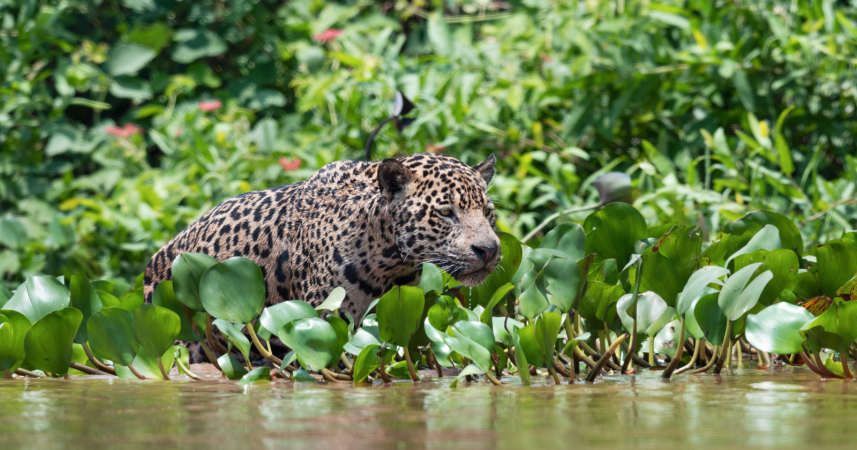
The Amazon gets all the glory, but the Pantanal is actually your best bet for seeing wildlife in South America. This massive wetland in western Brazil floods seasonally, creating an ecosystem that supports the highest concentration of wildlife on the continent.
You can spot jaguars lounging on riverbanks, caimans everywhere you look, and hundreds of bird species including the hyacinth macaw. The landscape shifts between dry season and wet season, and each offers completely different experiences.
What I love about the Pantanal is how accessible it is compared to deep Amazon jungle lodges. You can stay on cattle ranches that double as nature reserves, where guides take you out in open-air trucks to spot animals. It feels adventurous without being overly rustic.
The region is still relatively unknown internationally, but that's changing as more travelers seek alternatives to overcrowded Amazon tours. The infrastructure is improving, which means more visitors every year.
6. Kyrgyzstan
Central Asia remains one of the least touristy regions in the world, and Kyrgyzstan is its hidden gem. The country is about 90% mountains, with alpine lakes, nomadic culture, and landscapes that remind you how big and empty the world can still feel.
Song Kol Lake sits at over 3,000 meters and offers a chance to stay in traditional yurts with families who move their herds there each summer. You can ride horses across valleys that seem to stretch forever, sleep under more stars than you knew existed, and drink fermented mare's milk if you're brave enough.
The hospitality is genuine because tourism is still new here. Families invite you into their homes without expecting anything except respectful curiosity about their way of life. The Silk Road history is everywhere, from ancient caravanserais to bustling bazaars in Osh and Bishkek.
But adventure tourism is growing. More companies are offering trekking packages, and the government is actively promoting tourism. The window for experiencing truly authentic nomadic culture is narrowing.
7. Flores Island, Indonesia
Most people island-hop through Bali, Gili Islands, and Lombok, then fly home. Flores sits further east, and it rewards those who make the journey with volcanic landscapes, traditional villages, and the famous Komodo dragons just offshore.
The island itself offers pink beaches, three-colored crater lakes at Kelimutu, and villages where people still practice ancient rituals and weaving traditions. You can watch women create intricate ikat textiles using techniques passed down for centuries.
The infrastructure is basic, which keeps crowds away. Getting around requires patience and a sense of adventure. But developers have noticed the potential, especially after the success of Komodo National Park tourism.
The government recently announced plans to develop Flores as a premium destination, which sounds nice in theory but usually means pricing out backpackers and changing the character of local communities.
8. Huacachina, Peru
Peru isn't exactly undiscovered, but most visitors stick to Machu Picchu and Lima. Huacachina is a tiny oasis town surrounded by sand dunes in the middle of the desert, and it still feels like a secret.
You can sandboard down massive dunes, take dune buggy rides at sunset, and watch the stars from the edge of the lagoon. The town has maybe 100 permanent residents, a handful of hostels, and not much else. That's the appeal.
Right now, it attracts mostly backpackers and adventure seekers. But as Peru continues to develop its tourism infrastructure and travelers look for new experiences beyond the standard circuit, Huacachina is positioned to blow up.
The dunes are already showing signs of erosion from increased traffic, and the local government is trying to balance growth with preservation. We'll see how long that balance lasts.
9. Georgian wine region
Georgia has been making wine for 8,000 years using traditional methods that involve fermenting grapes in clay vessels buried underground. The Kakheti region in particular offers rolling vineyards, ancient monasteries, and a food culture that deserves way more recognition than it gets.
You can stay at family-run guesthouses where the host's grandfather still tends the vines and makes wine in the cellar. The supra, or traditional feast, involves endless toasts and dishes that keep appearing long after you think you're full. The hospitality is overwhelming in the best way.
Wine tourism is just starting to take off here. A few years ago, almost no one outside the region knew about Georgian wine. Now sommeliers in New York and London are stocking it, and travel magazines are catching on.
Tour companies are moving in, and with them comes the risk of turning authentic experiences into performances. The natural wine movement has especially put Georgian methods in the spotlight.
10. Lofoten Islands, Norway
Norway is expensive, which has kept mass tourism somewhat at bay. The Lofoten Islands sit above the Arctic Circle, offering dramatic peaks rising straight out of the sea, fishing villages that look painted onto the landscape, and the northern lights in winter.
The islands have been inhabited for thousands of years, and fishing is still central to the economy. You can stay in traditional rorbu, the red fisherman's cabins that dot the coastline, and eat the freshest cod you've ever tasted.
Summer brings midnight sun, when you can hike at 2 AM under golden light. Winter is dark and moody, perfect for aurora hunting and cozying up in cafes. The islands offer both wilderness and comfort in a way that few places manage.
But Instagram has discovered Lofoten. Every photographer wants that shot of Reine village with the mountains reflected in the harbor. Hotels are booked months in advance now, and locals are starting to complain about overcrowding during peak season.
Final thoughts
I'm not saying you should rush to visit all these places immediately. That kind of thinking is partly what creates the problem. But if there's somewhere on this list that genuinely calls to you, maybe don't wait five more years to go.
The truth is, tourism changes places. Sometimes that change brings economic benefits and better infrastructure. Other times it strips away the authenticity that made somewhere special in the first place.
What I've learned from traveling is that timing matters. There's a difference between being a thoughtful visitor and being part of a stampede. These ten places are still in that sweet spot where you can experience something real, but that window is closing.
Go if you're genuinely interested in the place itself, not just the photo opportunity. Respect local communities, support small businesses, and leave things better than you found them. That's how we keep special places special, even as more people discover them.
If You Were a Healing Herb, Which Would You Be?
Each herb holds a unique kind of magic — soothing, awakening, grounding, or clarifying.
This 9-question quiz reveals the healing plant that mirrors your energy right now and what it says about your natural rhythm.
✨ Instant results. Deeply insightful.