In a world racing toward faster everything, boomers may have quietly found the secret to living longer: slowing down. From gardening to birdwatching, these mindful, “slow” hobbies aren’t just nostalgic—they’re scientifically linked to lower stress, sharper minds, and happier lives. Maybe the key to longevity isn’t doing more, but doing less with intention.

Add VegOut to your Google News feed. 
In a world obsessed with speed, there’s something quietly rebellious about doing things slowly.
While we scroll faster, eat faster, and work faster than ever before, there’s a whole generation that seems to have cracked the code to long, meaningful living.
And they’re not running marathons or chasing tech trends. They’re doing the opposite.
They’re slowing down.
Let’s talk about nine “slow” hobbies boomers love that might actually be the real secret to living longer, healthier, and happier lives.
1) Gardening
There’s something deeply grounding about getting your hands in the soil.
Boomers have known this forever. Gardening forces you to slow down. You can’t rush a seed to sprout or a tomato to ripen. You work with nature’s timeline, not your own.
Studies have shown that gardening reduces cortisol levels, the stress hormone that quietly drains your health.
It’s also linked to lower risks of dementia and better mood regulation.
When I started growing my own herbs a few years back, basil, mint, and some stubborn rosemary, I realized how meditative it is.
You lose track of time. You breathe more deeply. You start noticing details again.
Maybe longevity isn’t about outsmarting time. Maybe it’s about syncing with it.
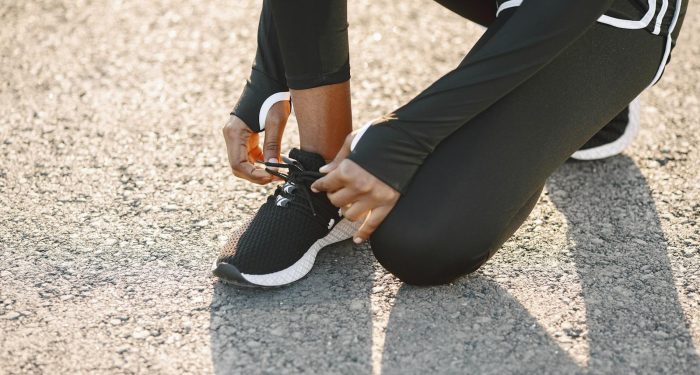
2) Walking
Walking is probably the most underrated form of self-care.
It’s free, low-impact, and accessible to almost everyone. Yet in the age of spin classes and smartwatches, it’s easy to overlook.
Boomers still value the simple pleasure of taking a walk, not as a workout, but as a ritual. Morning walks to get coffee.
Evening strolls to clear their heads. It’s not about burning calories; it’s about creating space for thoughts to settle.
I’ve mentioned this before, but there’s research suggesting that people who walk regularly have better cardiovascular health, improved memory, and even increased creativity.
Every time I go on a walk without my phone, I come back lighter, not just physically but mentally.
3) Reading
Before streaming and doomscrolling, reading was how people traveled without leaving the house.
Boomers have kept that tradition alive. And it turns out, the benefits go far beyond entertainment.
Reading slows down the nervous system. It engages focus and empathy.
And studies show that regular readers live, on average, two years longer than non-readers. Two years, just from reading.
That’s because reading reduces stress, strengthens brain connectivity, and promotes lifelong learning, all key ingredients in longevity.
Personally, I keep a mix of psychology and travel books on my nightstand. Reading books before bed helps me wind down in a way screens never could.
Maybe the real luxury isn’t fast content. Its depth.
4) Knitting or crocheting
If you’ve ever watched someone knit, you know it looks hypnotic. The repetition, the rhythm, the quiet focus, it’s a kind of moving meditation.
Boomers who knit often describe it as therapy with yarn. It keeps their hands busy, their minds calm, and their stress levels low.
There’s actual science behind this. The rhythmic motion triggers the body’s relaxation response, slowing heart rate and lowering blood pressure.
It’s similar to what happens in mindfulness meditation.
Plus, you end up with something tangible at the end, a sweater, a blanket, a gift.
That sense of creating something with your hands, rather than consuming, is incredibly grounding in a world built on instant gratification.
I don’t knit, but I’ve spent hours editing photos with the same focus. It’s not about the output. It’s about entering that quiet zone where time stretches.
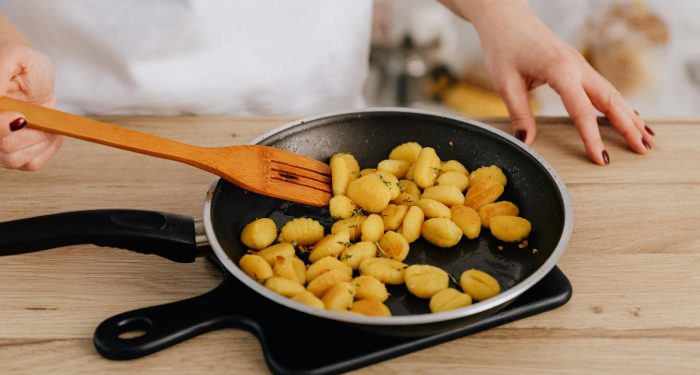
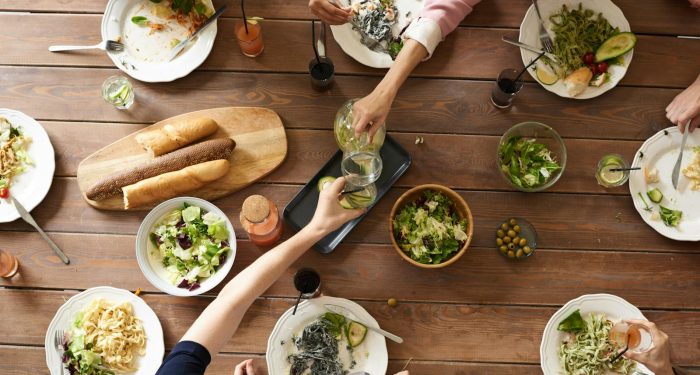
5) Cooking from scratch

Cooking used to be an everyday activity. Now it’s a special occasion or something we squeeze in between deliveries.
Boomers, however, never stopped cooking. And research shows that people who prepare most of their meals at home tend to live longer.
Not just because of nutrition, but because of the process itself.
Cooking engages the senses, encourages mindfulness, and gives a sense of accomplishment. You can’t rush chopping vegetables or waiting for dough to rise.
It’s a full-body, full-mind act of care.
As someone who follows a plant-based diet, I’ve noticed that cooking isn’t just about food. It’s about connection. You connect with ingredients, the people you’re feeding, and even yourself.
Maybe that’s why food tastes better when it’s made slowly, with intention.
6) Birdwatching
Here’s a hobby that sounds old-fashioned until you try it.
Birdwatching forces you to slow down, stay quiet, and pay attention. You can’t rush spotting a heron or identifying a warbler.
You have to be patient, still, and observant, three things that modern life rarely rewards but our nervous systems desperately need.
It’s also linked to real health benefits. Spending time in nature lowers blood pressure, improves immune function, and increases feelings of happiness and awe.
Boomers get this intuitively. They go outside not to do something, but to be somewhere.
When I was traveling in Costa Rica a few years ago, I joined a group of older birders for a morning walk. I expected small talk.
Instead, I found quiet reverence. They weren’t competing for photos, they were just noticing.
It changed how I move through the world.
7) Puzzles and board games
We’ve replaced puzzles with notifications.
But boomers still pull out the crossword or a deck of cards, and there’s real wisdom in that.
Puzzles and games engage memory, focus, and problem-solving skills that decline when we stop using them.
Regularly challenging the brain in this way has been shown to reduce cognitive decline and even delay Alzheimer’s onset.
There’s also the social aspect. Board games and card nights create real connection, face-to-face laughter and banter, not emojis.
Social engagement, by the way, is one of the strongest predictors of longevity.
I remember one rainy night playing Scrabble with my parents. It wasn’t about the game itself; it was the rhythm of it. Talking, laughing, pausing.
That kind of connection doesn’t come from group chats.
8) Photography
This one hits close to home for me.
Photography, at its core, is about seeing, noticing light, texture, and detail that others miss.
Boomers who picked up cameras decades ago often still walk around with them, capturing small moments others scroll past.
It’s a slow hobby disguised as a creative one. You wait for the right light, you adjust your focus, you take your time framing the shot. It’s about presence, not perfection.
Research suggests that engaging in creative hobbies like photography can improve mental well-being and reduce the risk of depression, especially later in life.
It’s not just about making art. It’s about keeping curiosity alive.
For me, photography trains my attention. When I’m behind the lens, I stop thinking about deadlines or messages. I’m simply there.
9) Volunteering
This might surprise you, but volunteering, yes, giving your time away, has profound effects on health and longevity.
Boomers volunteer more than any other generation. And studies consistently show that people who volunteer regularly live longer and report higher levels of happiness.
Why? Because helping others activates areas of the brain associated with pleasure and purpose.
It combats loneliness, gives structure to your days, and builds community, all things that extend life in meaningful ways.
The key, I think, is purpose. It’s not about filling time. It’s about feeling useful.
I’ve done volunteer work at a local vegan food co-op here in California, and every time I leave, I feel lighter. It’s not the tasks. It’s the shared intention.
The bottom line
Maybe the real secret to longevity isn’t found in supplements or fitness trackers, but in the quiet moments boomers have been cultivating all along.
Slowness is underrated.
When you garden, read, cook, or simply walk without a destination, you’re doing something radical. You’re reclaiming your time, your focus, your life.
Maybe that’s the point. The slower you live, the more life you actually get to feel.